

*2 mins read
DTF vs DTG vs. Screen Printing: Which is a Better Option?
Publish Date
November 10, 2025
Written by
Emily Chris Kieran
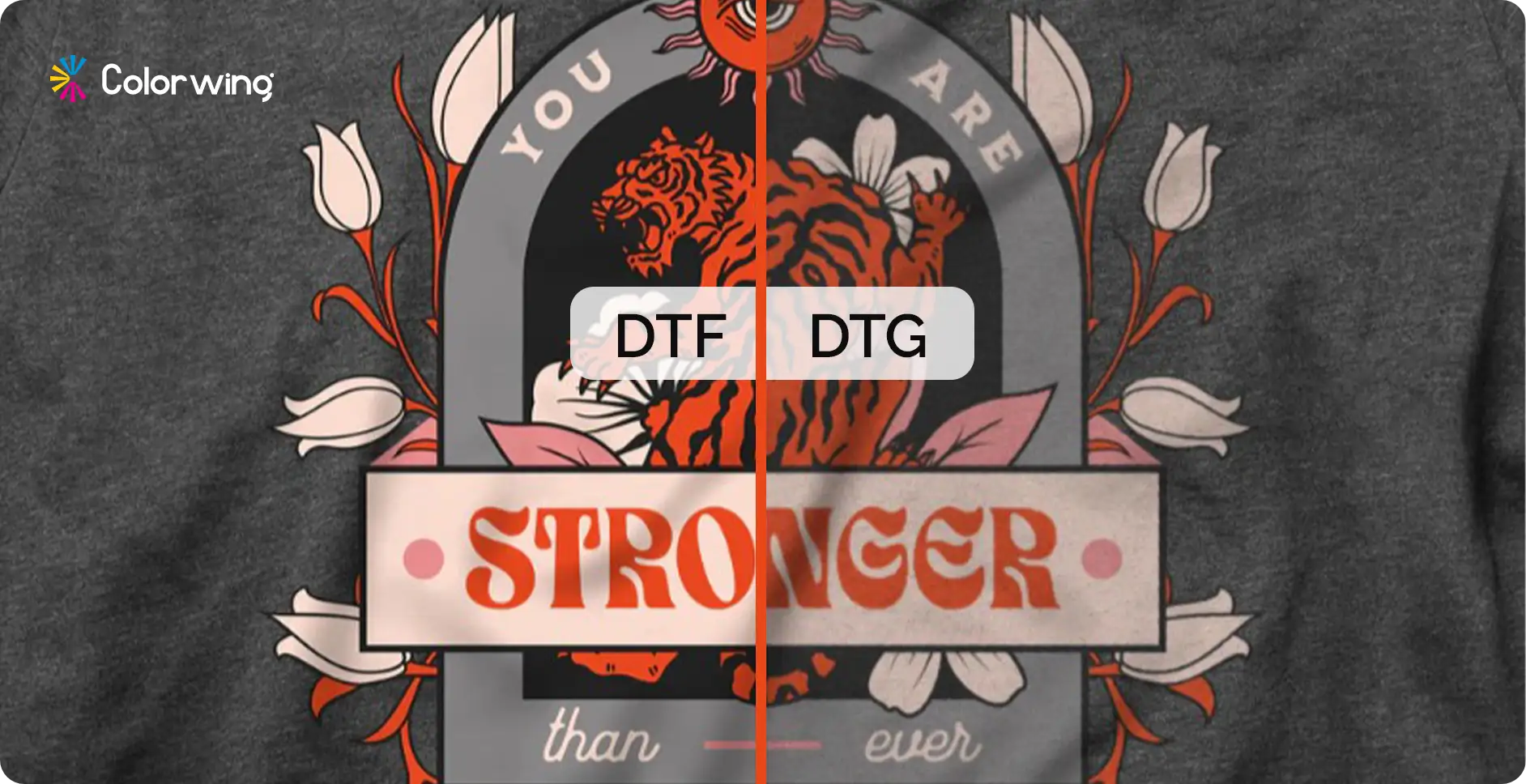
DTF or DTG might sound similar to you, but in reality, they are two totally different printing techniques. DTF and DTG are two popular printing methods that transform the way your designs come to life, whether on garments, bags, or product packaging. Selecting the right printing technique is essential.
In this detailed guide, we will discuss DTF vs DTG vs screen printing, exploring how each of these printing methods works, their application, and their perks. We will also discuss when to choose screen printing, DTF, or DTG printing methods. We’ll also discuss sublimation printing, another popular printing method that delivers long lasting, vibrant designs on coated materials and polyester.
The goal is simple, and that is to highlight the “best” printing option. All this to help you understand which option perfectly fits your requirements. You need to fully understand each printing option before making the final decision, whether you are customizing apparel for your brand or creating vibrant packaging for your products. That way, you can easily figure out which method delivers the results you expect.
By the end of this blog, you’ll fully understand what DTF vs DTG and screen printing are. So let’s begin!
What Really Is DTF Printing?
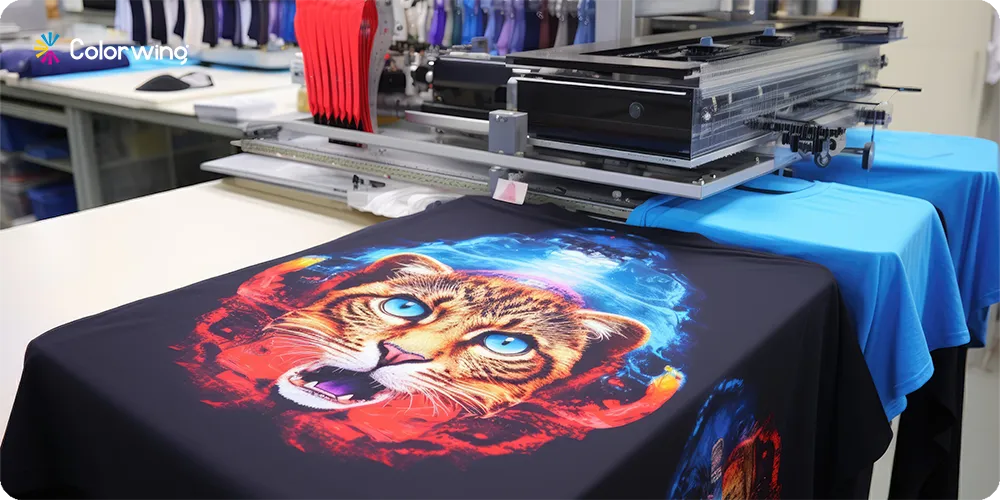
DTF (Direct to Film) is one of the most suitable and exciting developments in the printing world. This type of printing method involves printing your designs into a special transfer film called PET using water based inks. That film is then further coated with an adhesive powder and finally heat pressed onto the garment or any other material.
DTF is known as a versatile printing method, as brands can use it to print their designs on any surface, like polyester, cotton, fabric, or coated paperboard. This printing method ensures your printed design is vibrant and durable. This printing method helps save time and ensure a smooth and efficient workflow because it doesn’t require any pre-treatment like DTG printing.
At ColorWing, we use this remarkable printing method to print high resolution and vibrant designs that can easily withstand daily handling. If you are a brand that prioritizes durability and wants full color printing on smooth and rigid surfaces, then DTF is your best option.
There’s one more wonderful thing about DTF printing. This printing method gives packaging a smooth, slightly textured finish, making designs look outstanding on both apparel and product packaging. DTF is an ideal printing option for brands looking for stunning results across different materials.
What is DTG Printing?
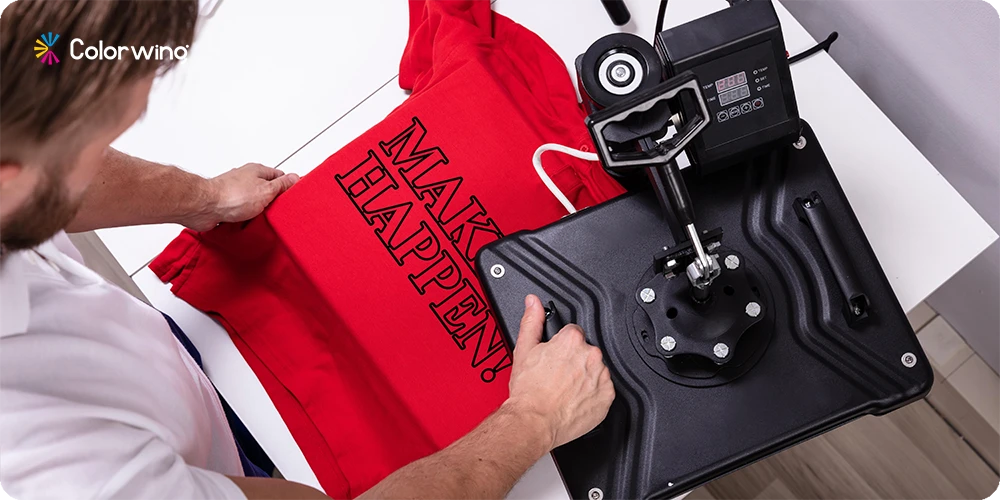
DTG (Direct to garment) printing is another famous digital printing method where ink is jetted straight into the fabric instead of paper. This printing technique utilizes water based inks that easily absorb into the fabric. It creates soft and durable prints onto the material. The printed design feels soft to the touch.
How this printing method works. Well, pretty simple! The material is pre treated, printed, and then heat pressed to lock in the color.
The best thing about DTG printing is that it has the power to capture even the smallest details in the design. DTG printing methods deliver outstanding, photo quality results. This printing technique is perfect for small runs, custom apparel, and print on demand.
DTF works best on pure cotton, since this fabric easily absorbs ink. It can be Other natural fibers like linen, but as discussed above, cotton reigns the supremacy. DTG is not as versatile as DTF, but when it comes to printing on apparel, DTG printing is the best option available out there. When choosing between DTG vs screen printing vs heat transfer, DTG stands out as it prints bright.
What Actually Is Screen Printing?
Screen printing is also famously known as silk screening. The screen print transfers the design onto the surface using a mesh screen and ink. Brands can use this printing technique to print their design on different materials like fabric, cardboard, or coated packaging.
At ColorWing, we offer exceptional printing solutions like screen printing for large runs where brands prioritize consistency and vibrant colors on the packaging. The screen printing process is known for its durability. The ink stays on the surface, helping your packaging stand out and last for a long time. When it comes to DTF vs screen printing durability, both offer impressive staying power. However, DTF is more flexible, while screen printing delivers the best results only on rigid surfaces.
DTF vs DTG vs Screen Printing: A Guide To Material Compatibility
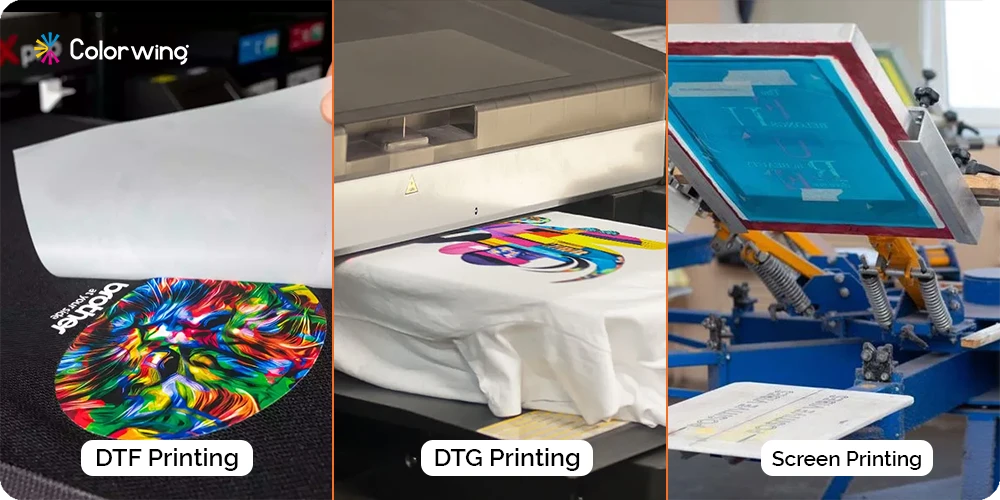
Different materials react differently to ink and heat, which is why it is very important to understand substrate compatibility. At ColorWing, our team is fully qualified and knows exactly how different printing methods perform on different surfaces.
DTF is one of the best printing techniques that stands out for its flexibility. Brands can use this printing technique to print on various surfaces like cotton, blends, nylon, polyester, and coated paperboard. Then comes DTG, which works best on cotton as it can easily absorb the inks directly onto the fibers. If we compare DTG vs DTF examples, DTG delivers softer prints only on cotton, whereas DTF excels on various materials. As for screen printing, it can be used to print on rigid packaging boards, fabrics, and plastics. It’s an ideal printing option for bulk printing.
The table below explains how each printing method performs on different materials:
Criteria | DTF (Direct-to-Film) | DTG (Direct-to-Garment) | Screen Printing |
Printable Materials | Cotton, polyester, blends, nylon, leather, coated paperboard, flexible packaging films | Especially 100% cotton based fabrics | Cotton, canvas, cardboard, plastics, and coated packaging boards |
Pre-Treatment | Not needed, adhesive powder provides bonding | Mandated for most fabrics, especially dark ones | None, but each color needs its own screen setup |
Surface Feel | Slightly thicker, semi-matte transfer layer | Very soft, ink soaks into fibers | Can feel raised or textured depending on the ink type |
Color on Dark Substrates | Exceptional coverage with a white base on film | Good only with white underbase and proper pre-treatment | Strong opacity with specialty inks |
Non-Textile Use | Works on coated boxes, plastics, and packaging | Limited to fabric only | Perfect for rigid or flat non-textile surfaces |
Ideal Uses | Mixed-material apparel, promo products, packaging graphics | On-demand cotton apparel and small runs | Bulk orders, solid logos, durable packaging prints |
Main Limitation | Slight film texture on thin fabrics | Narrow fabric range | Longer setup time and limited detail for gradients |
How Different Printing Methods Handle Colors & Design Details
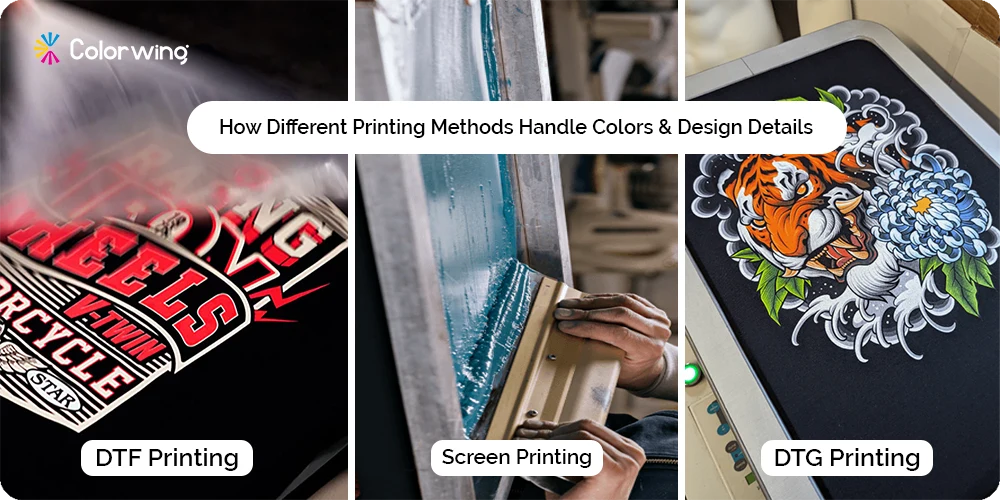
DTF vs DTG vs screen printing, each printing method handles color and design detail differently. Some printing methods are a perfect choice when it comes to printing bold or simple logos, while others can print images with incredible detail. At ColorWing, we help brands choose the ideal printing process that captures the design details perfectly.
DTF printing is an ideal solution for printing bright and complex designs. In this process, the design is printed digitally onto the film first. That way, it captures even the smallest details, smooth color gradients, and even complex images without any problem. DTF is perfect for printing multicolor logos, packaging designs, and detailed prints that need to look vibrant on any surface.
DTG printing also works great and produces beautifully detailed designs. It’s an ideal printing option for full-color prints and illustration, delivering a soft, natural feel on fabric. However, it’s not an ideal printing process for coated materials.
Screen printing is best for both bold and simple designs. It requires thick layers of ink, so the colors look excellent and bright.
Below is the table that shows how each printing method handles complex design, color quality, and fine details:
Method | Best For | Color & Design Capability |
DTF | Detailed, multicolor artwork | Excellent for gradients and fine details |
DTG | Photographic and soft designs | Great for full-color prints on cotton |
Screen Printing | Bold, simple graphics | Strong color density, limited detail |
Which Printing Method Lasts for a Long Time?
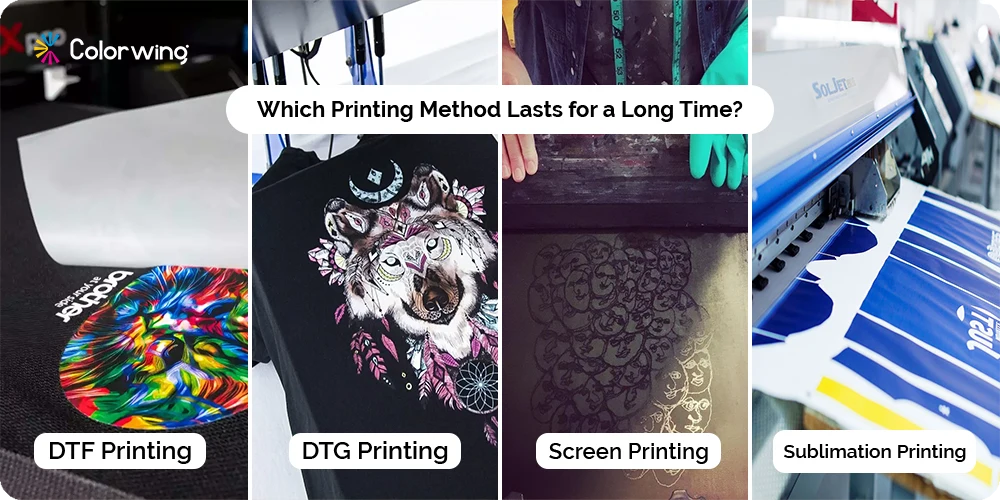
When it comes to choosing between DTF vs DTG vs Screen printing, the main concern of businesses is which of these printing methods lasts longer. Achieving bright colors isn’t the main goal here; it is about producing long lasting prints that have the power to withstand several washes, handling, and everyday use without fading.
Screen Printing: It’s a go-to choice for durable prints. Its thick ink layers stay firmly in place after heat pressing. It can survive many washes without fading.
DTF Printing: This printing option also offers good, durable results. It is also an ideal printing solution for stretchy materials. It can withstand many washes without fading.
DTG Printing: This printing method isn’t as long lasting as the others. It can withstand only a few washes and starts to fade after some time.
Sublimation Printing: When comparing sublimation vs. screen printing, sublimation wins this game. This printing method is highly durable since the ink becomes a part of the material, preventing fading over time.
The table below shows which printing method is durable and wash resistant:
Method | Wash Durability | Key Factors |
Screen Printing | 100+ washes | Strong ink bond, proper curing |
DTF Printing | 100+ washes | Adhesive strength, heat pressure |
DTG Printing | 40 to 60 washes | Fabric quality, pre-treatment |
Sublimation Printing | Permanent on polyester | Works only on polyester and coated materials |
Exploring The Innovative Printing Methods
While DTF, DTG, and screen printing remain popular options, several other innovative printing solutions are quickly becoming favorites among many brands. At ColorWing, we offer specialized printing methods like sublimation and UV DTF printing.
Sublimation printing is a method that uses heat to transform ink into a gas. The ink then becomes part of the material itself, such as polyester fibers or any coated surfaces. They offer smooth and long lasting printing which doesn’t fade even after many washes. If you are thinking about what lasts longer sublimation or screen printing, sublimation is the answer. It offers permanent prints on polyester.
If you are wondering what is UV DTF printing, you are about to find out. UV DTF printing is another popular and fast growing printing method. It uses UV-curable inks printed on a special film, which is then transferred to rigid surfaces like metal, plastic, or paperboard. It is cured under UV light. It produces vibrant prints. They are scratch resistant and are considered perfect for premium packaging, such as labels.
“According to a market prediction by Future Market Insights, the global inkjet printers market is valued at USD 48.3 billion in 2025 and is expected to grow to USD 112.3 billion by 2035, growing at a CAGR of 8.80%.”
UV printing vs. screen printing, each them differs when it comes to flexibility. UV DTF is an ideal solution for detailed design or small print runs. On the other hand, screen printing is best for bold and thick designs for larger batches.
When To Choose DTF Printing?
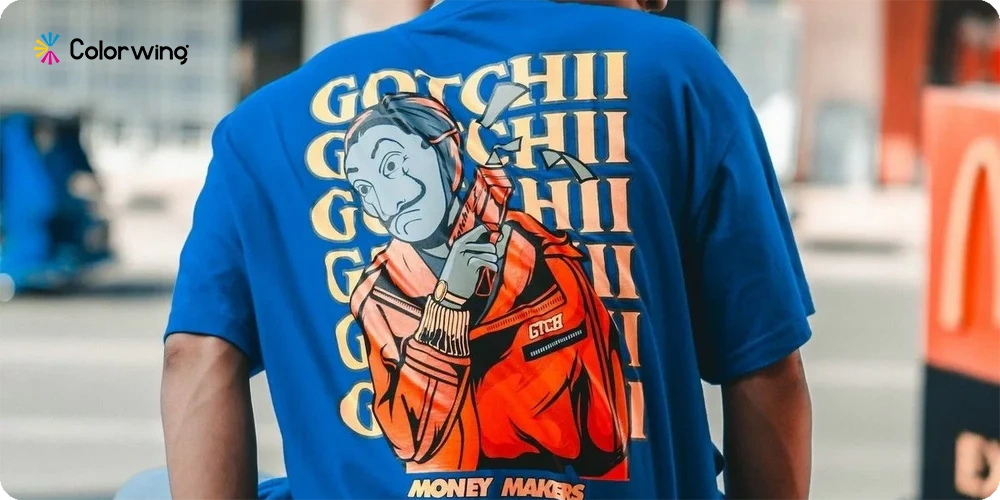
If you are looking for a printing option that is durable, flexible, and works on different surfaces, DTF printing is your best option. At ColorWing, we suggest DTF printing methods to brands looking for high quality and full color designs that don't fade.
DTF is a versatile printing method, and it doesn’t require pre-treatment. It’s an ideal printing solution for custom packaging, apparel, promotional items, and small batch printing where color accuracy is considered important.
DTF is not time consuming and offers quick setup and perfect results without compromising on quality. It uses less ink and doesn’t rely on heavy chemicals, which makes it an eco friendly printing solution.
So if you’re a business looking for an affordable and innovative printing solution, DTF printing is your best option. At ColorWing, we offer you vibrant and long lasting results that make your packaging or product the talk of the town.
When To Choose DTG Printing?
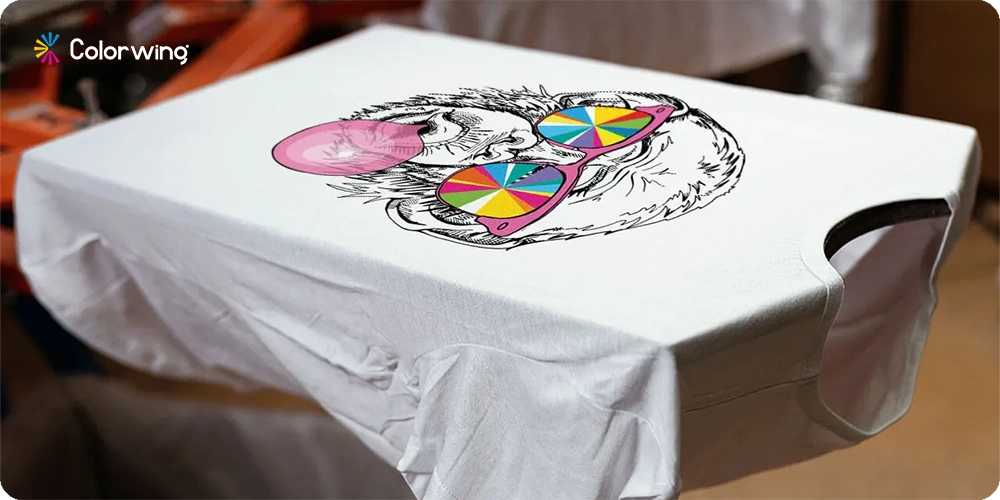
If you are looking for a printing solution that delivers high quality, detailed prints with full colors or gradients, DTG printing is the best alternative. It is an excellent printing solution for small orders. You can use this printing solution for personalized t-shirts, hoodies, or short run apparel with unique designs.
At ColorWing, we recommend DTG for businesses that prioritize creativity and detail. DTG performs best on 100% cotton. It’s not perfect for bulk orders or textured materials, and that’s where DTF or screen printing stand out.
When To Choose Screen Printing?
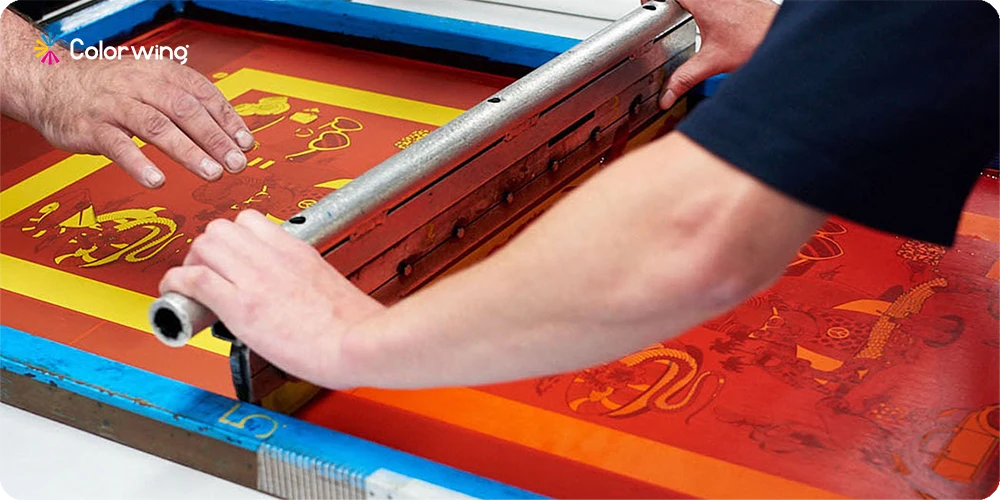
If you’re a brand looking for bold, vibrant, and long lasting prints, screen printing is the perfect choice for you. It’s ideal for large batches of apparel, packaging, and promotional products. At ColorWing, we use screen printing for high volume projects because it ensures every piece looks sharp, consistent, and professional. Its thick layers resist fading and stay vibrant for a long time.
Screen printing also works for simple artwork and solid colors. If you want durable prints that can withstand wear and washing, whether on fabric or packaging, screen printing is the way to go.
Final Thoughts
Choosing between DTF vs DTG vs screen printing depends entirely on what kind of results you are looking for and what you’re printing. Each printing method has its own strengths. When it comes to DTF printing vs sublimation, DTF is the most versatile of all. It works perfectly on different materials and delivers long lasting prints, and keeps colors vibrant even after multiple washes. DTG printing is ideal for printing highly detailed and colorful artwork only on 100% cotton fabrics. Screen printing is perfect for large batches that need long lasting prints that don't fade over time.
If you are comparing screen print vs DTF vs sublimation, know that all three of them a durable, but DTF stands out for its unmatched results. At ColorWing, we carefully understand your project needs and often combine different printing techniques. That way, brands can ensure they get the best of all worlds. We will help you select the right printing technique. Reach out to our team for expert advice, print samples, and tailored solutions for your business goals.

Emily Chris Kieran
Meet Emily Chris Kieran, a seasoned packaging industry writer with 7+ years of experience in the printing and packaging sector based in Texas. With a keen eye for color and a passion for data-driven insights, Emily crafts compelling content strategies that explore the intricacies of packaging and printing. She possesses in-depth knowledge of the industry's dynamics, staying up-to-date on the latest trends and technologies. When she's not delving into industry trends, you can find her unwinding on the golf course, where she finds inspiration and clarity. With a love for polo and a knack for storytelling, Emily brings a unique perspective to the world of packaging, illuminating fascinating facts and trends that inform and engage.