

*2 mins read
The Hidden Costs of Poor Packaging Choices and Why Folding Cartons Prevent Them
Publish Date
June 10, 2026
Written by
Emily Chris Kieran
It is without a doubt that plenty of emerging businesses want their packaging costs to be as less as possible. However, the lower costs might look ideal on a spreadsheet where you count your profit margins, but in reality it could be costing you much more in other ways. Because a wrong box or a weak packaging can lead to damaged products, higher return rates, and frustrated customers who never come back.
These costs do not always show up under “packaging” in your budget, but they still blindly drain your profits.
In this article, we will specifically break down the hidden costs that you have to bear when choosing a poor packaging. Plus, we will also take note of how well designed folding cartons can help you keep yourself safe from such matters. So, let’s have a look below at the perfectly hidden elements.
Hidden Cost #1 – Product Damage and Returns
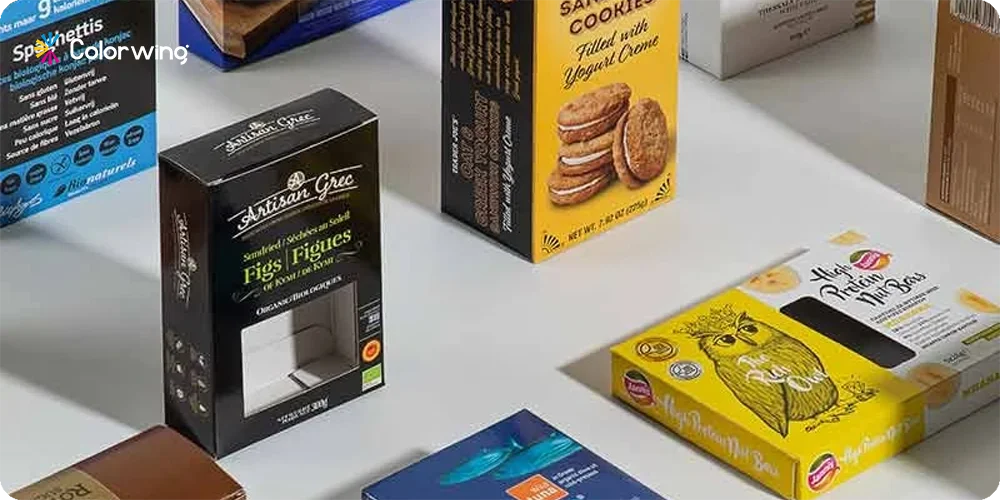
The core thing that gets compromised when you use poor packaging is definitely the damages to the products. And what happens after a product gets damaged and comes out faulty when customers take it out? They will return it without wasting any extra second.
Boxes that are too thin, don’t fit the size of products, or have the wrong shape fail in transit and on shelves as well.
In a nutshell, when a packaging does not protect the product properly, you get:
Crushed or dented items that cannot be sold.
Leaking or broken containers that lead to hygiene issues.
Scuffed or spoiled outer packaging that looks “old” even if the product is new.
The direct cost is the value of the product you have to write off, plus the replacement unit you ship out. The indirect cost is higher return handling, more customer service time, and a hit to customer trust when they receive something damaged.
Well engineered folding cartons can be sized correctly with our help to pack your product and use suitable paper material, so products fit snugly and are less likely to knock around or get crushed. This reduces the overall likelihood of damages.
Hidden Cost #2 – Wasted Materials and Reprinting
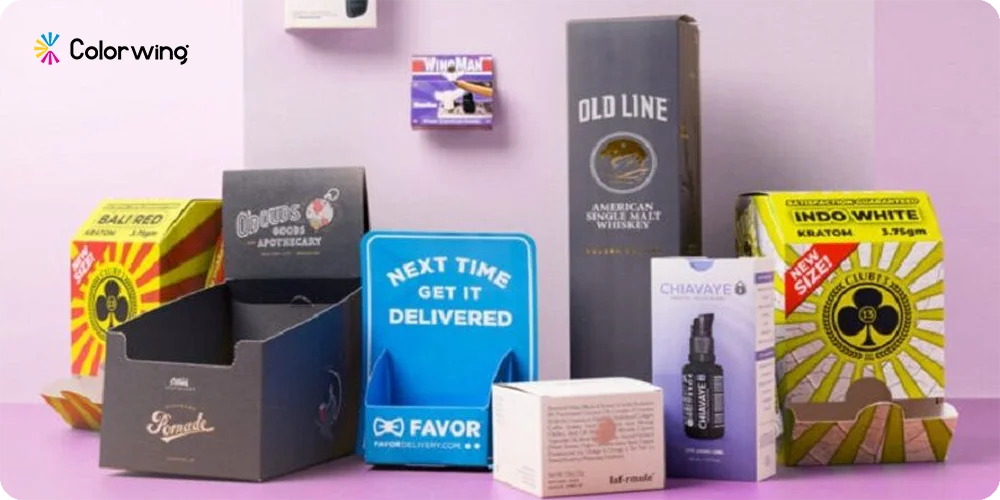
Poor packaging choices also show up as waste. If your design does not meet legal or retailer requirements, or it performs badly in use, you can end up with thousands of unusable boxes in your warehouse.
Common reasons this happens:
Wrong or missing information on panels, such as ingredients, warnings, or barcodes.
Colors or branding that are far off from what you approved.
Cartons that tear or jam on packing lines, so teams avoid using them.
You then have to fix the artwork, re-brief the printer, and pay for new print runs and materials. The original “cheap” batch becomes a total waste of space, money, and material until it is thrown out.
With expert assistance from ColorWing, you get folding carton dielines and print-ready guidance based on real production experience. This will help you to reduce the risk of reprints due to structural mistakes or missed print specs.
Hidden Cost #3 – Higher Labor and Handling Time
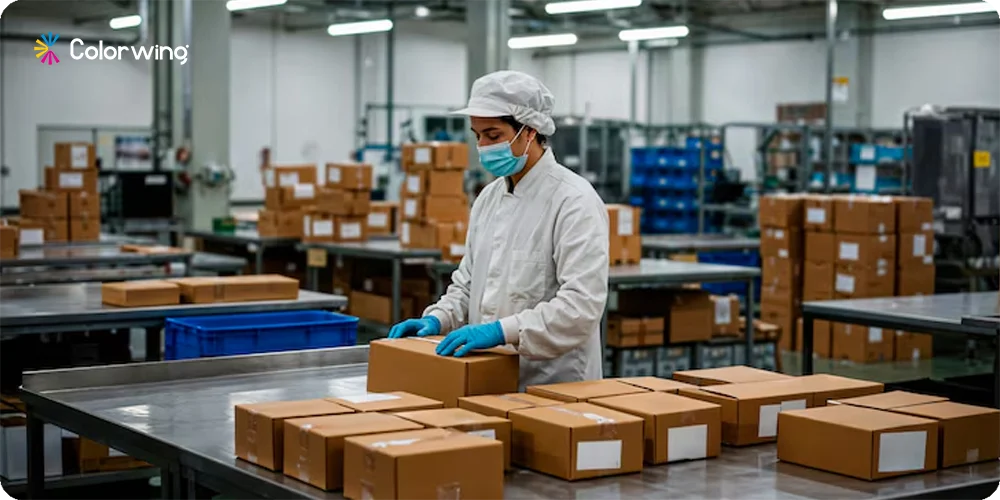
Poorly planned and subpar packaging slows down more than one process. Cartons that are hard to manually assemble, fill with the product, or close easily can add seconds to every unit. Over thousands of units, those seconds add up.
Examples of labor drain from bad packaging includes:
Extra tape and manual padding because the box does not hold the product securely.
Staff spending time re-boxing damaged or poorly printed units.
Warehouse teams fighting with odd shapes that do not stack or travel smoothly on pallets.
These small inefficiencies increase labor costs and can delay orders, especially when volumes increase.
Folding cartons are designed to pop open quickly, close securely, and stack neatly in warehouses. This easy ordeal streamlines packing, picking, and shipping. At ColorWing, we can help you choose suitable carton styles that match your filling process so your team spends less time understanding how the packaging works and more time moving product.
Hidden Cost #4 – Oversized Packaging and Shipping Fees
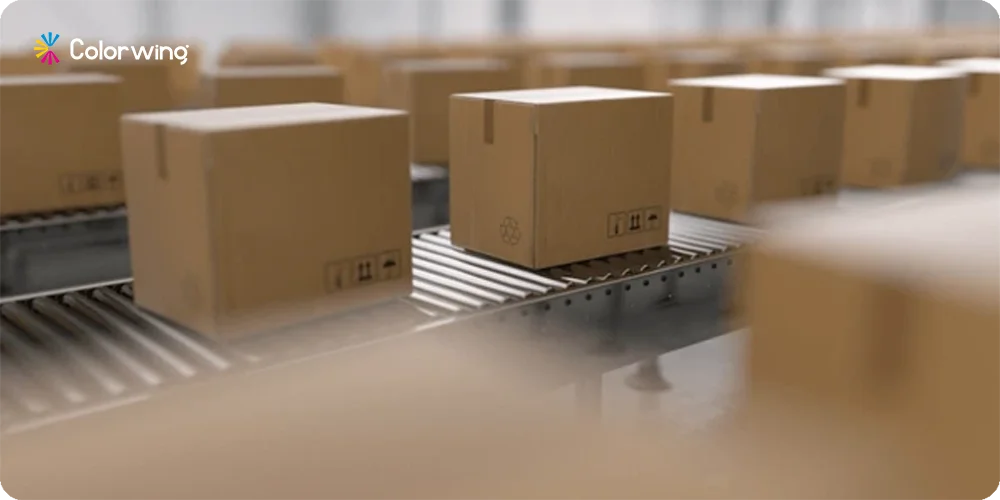
Another hidden cost is shipping. Oversized or poorly sized packaging wastes space inside master cartons and on pallets.
The main problems here are:
Boxes that are much larger than the product, so you pay more for dimensional weight and extra void fill materials.
Cartons that do not nest or stack perfectly, which means fewer units per case or pallet and higher freight per unit.
Even small size errors repeated across a full product range can quietly inflate shipping and storage costs month after month.
Folding cartons allow very fine control of size and structure. You can customize them in right-sizes with us to protect the product with minimal waste and pack efficiently into shippers. These help to lower freight and warehousing costs over time.
Hidden Cost #5 – Storage Headaches and Dead Stock
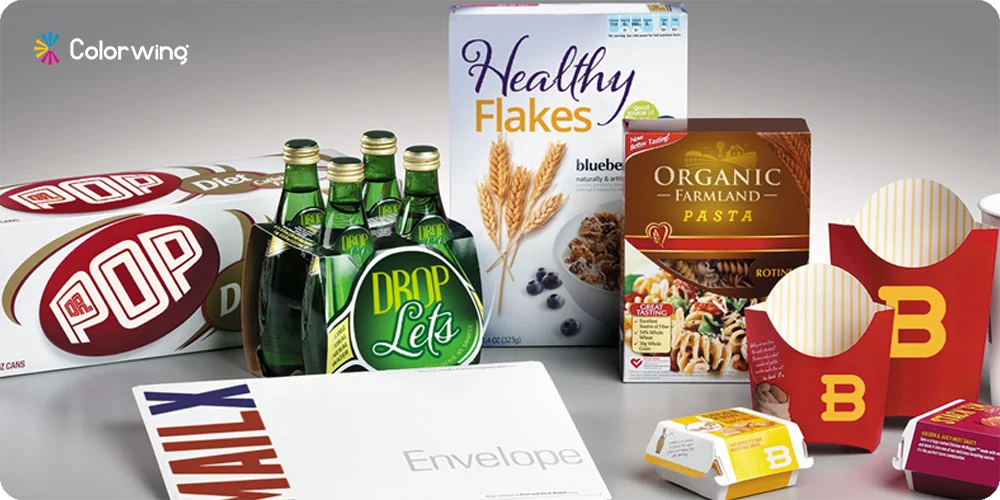
Poor packaging decisions also show up in your warehouse or storage spaces. Oversized or awkward packaging takes up more shelf and racking space than it needs to.
Hidden costs in storage include:
Lost space because outdated or incorrect packaging sits in a corner, waiting to be used or disposed of.
Extra rent or racking because packaging does not store flat or stack neatly.
Confusion when teams have to handle too many different carton types for similar products.
Folding cartons ship flat and stack tightly, which makes them ideal for maximizing limited storage space. With ColorWing, you can standardize structures across SKUs, so you hold fewer different carton types and reduce the risk of dead packaging stock that never gets used.
Hidden Cost #6 – Brand Damage and Lost Lifetime Value
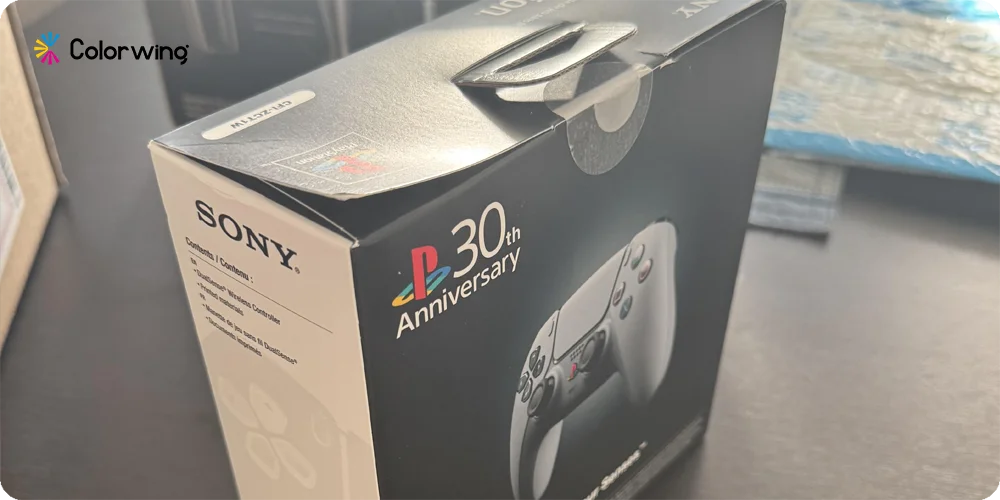
Not all costs show up on a line item. When customers receive products in flimsy or confusing packaging, they may not complain, but they quietly decide not to buy again.
Poor packaging can hurt your brand when:
The unboxing experience feels cheap compared to the price paid.
Information is hard to read or missing, so customers feel misled or unsafe.
The pack arrives dented or dirty, even if the product is technically usable.
This loss of trust can be more expensive over time than any one return, because it reduces repeat purchases and word of mouth.
The well designed folding cartons you get from ColorWing can support your brand rather than weaken it. Clean printing, clear layout, and solid structure tell customers that you care about what you ship, which makes it easier for them to justify buying from you again.
How Folding Cartons Help Prevent These Hidden Costs
Folding cartons are not magic instruments, but they solve several of the root problems that create hidden costs when packaging is weak or poorly thought out.
Here is a simple comparison.
Hidden cost area | Poor packaging choice | Well-designed folding carton |
Product damage | Thin, loose, or wrong-size packs cause breakage. | Proper board and snug fit protect products in transit. |
Reprints and waste | Wrong info or weak design leads to scrapped stock. | Correct dielines and print specs reduce rework and waste. |
Labor and handling | Slow assembly and extra fixes drain time. | Quick to fold, load, and close, which speeds packing. |
Shipping and freight | Oversized boxes waste space and money. | Right sized cartons reduce dimensional weight and void fill. |
Storage and complexity | Bulky or too many box types clutter the warehouse. | Flat, stackable cartons with standard structures simplify storage. |
Brand and customer trust | Flimsy feel and damage hurt perception. | Solid, clear packaging signals quality and care. |
By upgrading from subpar packaging choice to smart folding cartons, you are not just spending more on packaging. You are choosing to avoid a chain of hidden costs that usually show up later and are harder to fix.
Why Folding Cartons Fit Startups and Growing Brands
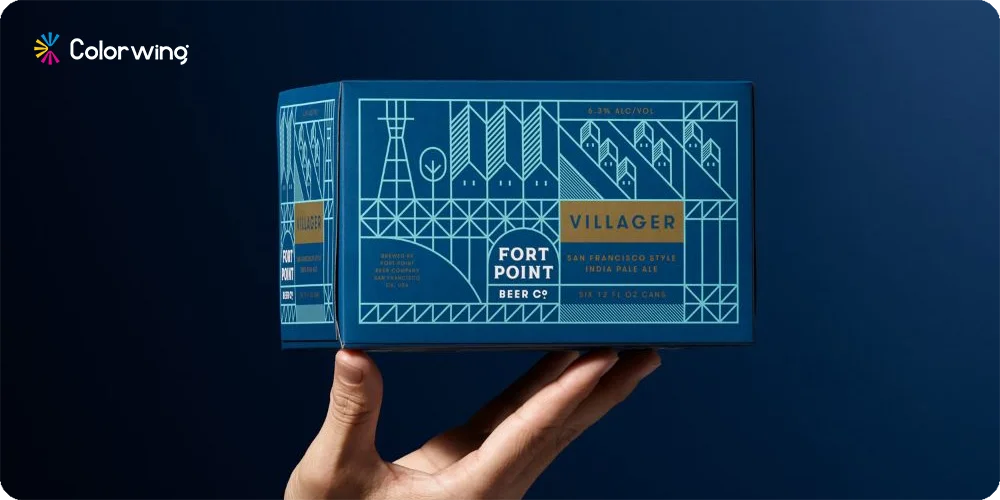
For startups and growing brands, every mistake feels bigger. You may not want to bear cost of batch returns or to write off pallets of misprinted boxes. That is why folding cartons are a good fit.
They allow you to:
Start with lower or mid-range quantities while still getting professional quality.
Standardize around 1 or 2 core structures, which makes future growth easier.
Adjust artwork and panel content as your messaging and regulatory needs change, without redesigning the whole packaging system.
At ColorWing, our role is to help you make these choices before the problems actually arise, and not after.
How ColorWing Helps You Avoid the Hidden Costs of Poor Packaging

We are a proficient packaging supplier that focuses on providing custom cartons and related solutions for brands that care about both presentation and performance. Instead of just selling boxes, the team looks at how your packaging will be used in the real world.
By working with ColorWing, you can:
Get help selecting appropriate board, structure, and size so your folding cartons protect the product and pack efficiently.
Use print-ready dielines and layout support so important information is placed correctly and your design passes basic checks from retailers and regulators.
Plan standard carton families across your range, which cuts complexity and reduces the chance that you will be stuck with stacks of useless packaging when you update a product.
This kind of support helps you spend a little more thought on packaging up front and avoid a long list of hidden costs that show up later.
Conclusion
Poor packaging choice seems cheap until you count damaged products, reprints, extra tape and labor, higher shipping fees, wasted storage space, and lost repeat customers. These hidden costs are the real price of weak packaging choices and they keep spreading across your operations as you grow.
Folding cartons is a simple, proven way to prevent many of these problems. They protect the product better, ship and store flatter, and give you enough space to communicate clearly and build trust. When they are sized and designed properly, they often save more in avoided costs than they add in material cost.
If you are ready to stop paying for invisible packaging mistakes and draining money, we got you covered. At ColorWing, our capable experts can help you move to smart folding cartons that fit your products, your transport and storage mediums, as well as your budget. Share a few of your key SKUs, how you ship them, and where you sell, and ColorWing will suggest folding carton options that cut hidden costs and strengthen how your brand shows up in the real world.
Frequently Asked Questions
What are the biggest hidden costs of poor packaging choices?
The biggest hidden costs are product damage and returns, wasted or misprinted packaging stock, higher labor and packing time, oversized shipping fees, extra storage needs, and long-term damage to brand reputation.
How do folding cartons reduce damage and returns?
Folding cartons can be sized closely to the product and made from suitable board so the item sits snugly and is better protected during transport and handling, which lowers the risk of dents, cracks, and leaks that lead to returns.
Are folding cartons more expensive than simple bags or plain boxes?
The unit cost of a folding carton can be higher than a very basic pack, but they often reduce overall costs by cutting damage, rework, and shipping waste. Over time, this can make them more economical than “cheap” packaging that fails in use.
How can a brand avoid reprinting large runs of cartons?
The best ways are to work from accurate dielines, have clear approval checks for artwork and legal content, and test a smaller quantity first. A supplier like ColorWing can help with these steps so you catch issues before printing large volumes.
Do folding cartons help with sustainability as well as cost?
Yes. Folding cartons are typically made from paperboard that can be recycled in many regions. Right-sized cartons also mean less void fill and fewer oversized shipments, which reduces material use and unnecessary freight weight.
How does ColorWing help prevent hidden packaging costs for startups?
We work with realistic minimums to help you standardize structure and advice on paperboard, size, and printing choices so your cartons function well in storage, shipping, and on shelf. This reduces the chance of costly surprises like damage, reprints, or dead stock.

Emily Chris Kieran
Meet Emily Chris Kieran, a seasoned packaging industry writer with 7+ years of experience in the printing and packaging sector based in Texas. With a keen eye for color and a passion for data-driven insights, Emily crafts compelling content strategies that explore the intricacies of packaging and printing. She possesses in-depth knowledge of the industry's dynamics, staying up-to-date on the latest trends and technologies. When she's not delving into industry trends, you can find her unwinding on the golf course, where she finds inspiration and clarity. With a love for polo and a knack for storytelling, Emily brings a unique perspective to the world of packaging, illuminating fascinating facts and trends that inform and engage.