


*2 mins read
ROI of Switching From Generic to Custom Folding Cartons
Publish Date
June 12, 2026
Written by
Emily Chris Kieran
On the outside, choosing generic packaging seems like a very easy step, plus cost-effective, and safe. You just have to pick a box, add a basic label, and move on with packing the item. But only doing this can keep you stuck in the stone ages. Because you are not reaping the full potential of what packaging can do for your business. These benefits include how many people notice your product, how much they trust it, and the efficiency of packing product and shipping it.
All you have to do is shift from staying generic to full-blown customized packaging. Why so? Because custom folding cartons can help you uplift your marketing and operation strategies.
They can help you sell more, waste less, and work faster. This is where the real return on investment, or ROI, comes from.
What Do We Mean by “ROI” in Packaging?
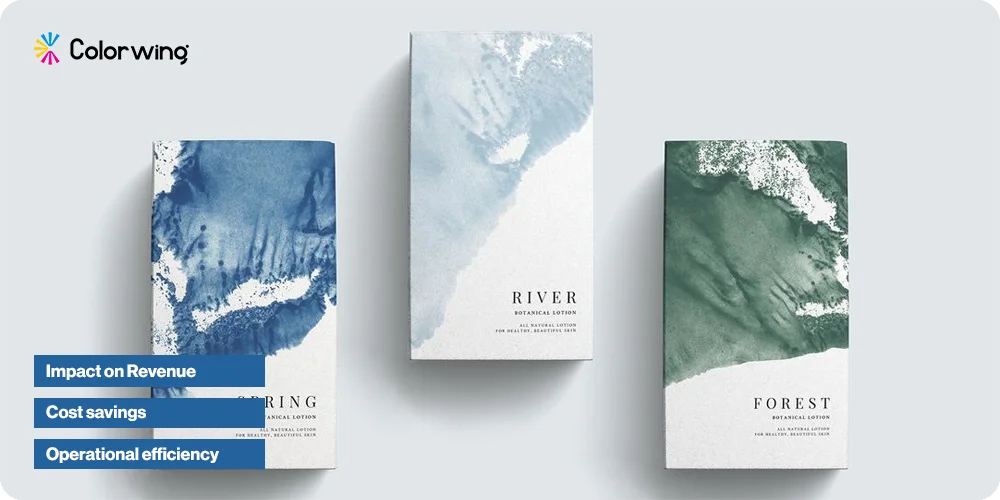
ROI in packaging is not only limited to how much it costs you to get. It is majorly about what that carton does for your business over time.
When you think of the ROI of switching from generic to custom folding cartons, consider:
Impact on Revenue
Do more people buy or repurchase because the product is easier to notice and trust?
Cost savings
Do you see fewer damages, returns, or reprints? Or do you save on shipping or storage?
Operational efficiency
Does packing become faster or more consistent?
Custom packaging has the potential to increase sales, improve brand perception, and streamline operations when it is planned properly. With custom folding cartons, you have a way to achieve all three.
Moving forward, let’s discuss the ROI of switching to custom folding cartons from generic packaging.
ROI #1 – More Sales and Better Conversion
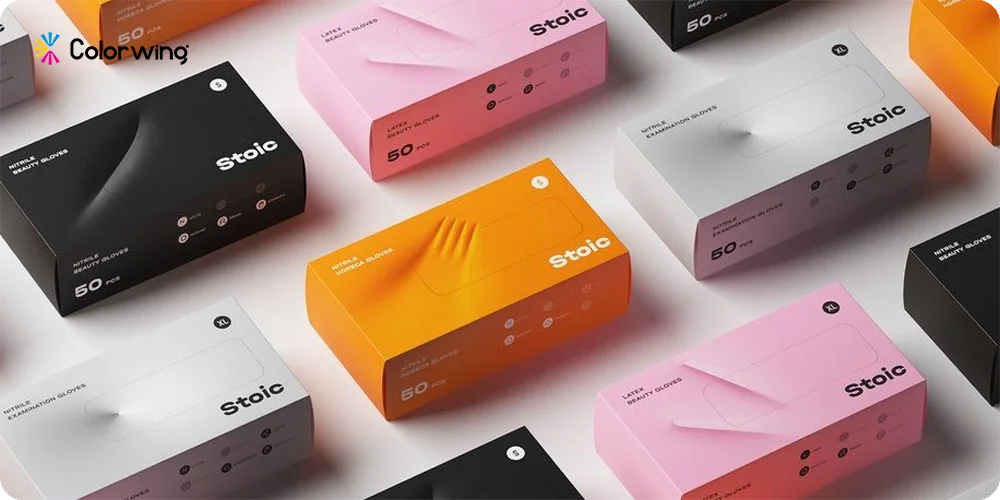
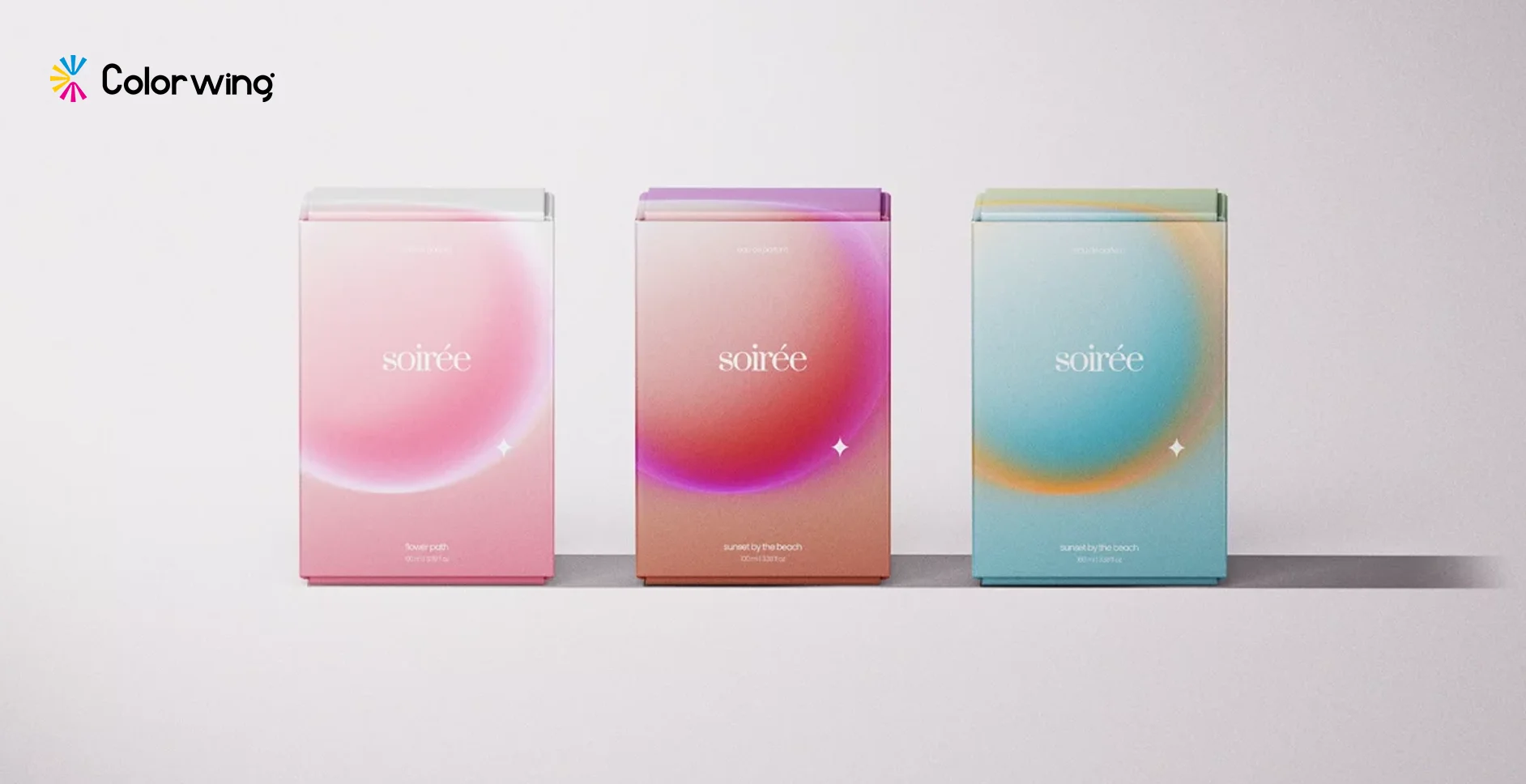
On the shelf or in a product listing photo, your carton is often the only salesperson working for you when your representative is not present personally. In this situation, the box is your best brand ambassador. A generic or unbranded box tells customers almost nothing and maximum times it gets ignored on shelves. On the other hand, a custom printed folding carton can anonymously answer the questions that decide whether they are going to buy the product or not.
Custom folding cartons can improve sales by:
Making your product easier to see and recognize. Strong color and a clear front panel benefit help the carton stand out in a crowded category.
Building trust quickly. Clean design and clear information make your product feel more reliable than a plain pack.
Supporting higher perceived value. A well-made carton makes the product feel more premium, which can support better pricing and fewer discounts.
A few market studies of using custom packaging report that there was a meaningful increase in sales when brands improve packaging, including double digit increases for products that were previously hard to notice. Even a modest percentage increase in conversion can cover the extra per-unit cost of a custom folding carton.
ROI #2 – Fewer Damages, Returns, and Complaints
Generic packaging most of the time means “one-size-fits-many.” This can lead to boxes that are too big, too thin, or the wrong shape for your product. The result is extra movement inside the pack, crushed corners, and leaks or breakage.
Every damaged unit has several costs:
You lose the cost of goods for the original item.
You pay for replacement products and shipping.
Your team spends time handling the return and helping the customer.
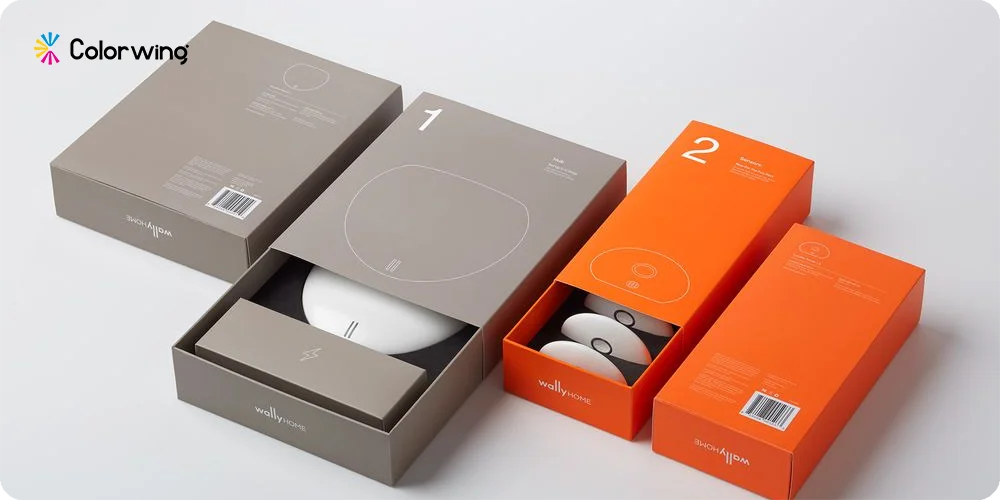
Custom folding cartons let you choose the overall material strength, internal dimensions, and simple insert options that match your product better. That reduces movement and impact during transport. Over time, fewer damages and returns mean more of your original margin stays in your business instead of being spent on fixing avoidable problems.
ROI #3 – Faster Packing and Smoother Operations

Generic packaging often creates friction on the packing line. Team members have to add extra tape, extra void fill, or extra labels to make it suitable for the product. Each extra step is a cost.
Custom folding cartons can improve operations by:
Using styles that assemble quickly
This includes Auto-bottom or well designed tuck styles to save seconds during assembly per unit.
Reducing the need for extra fillers
When the carton fits the product properly, you need less paper or plastic inside to fill the void spaces.
Standardizing shapes and sizes
This makes it easier to plan case packs, pallet patterns, and storage.
In a nutshell, saving even 20 to 30 seconds per product packing process can add up to hours of labor saved each month at modest volumes.
ROI #4 – Lower Shipping and Storage Costs

Generic boxes or stockist ones are not always optimized for size. You might end up shipping a lot of empty space and paying for it unwillingly. Carriers often charge based on size as well as weight, so large boxes for small products can quietly inflate your shipping bill.
Custom folding cartons help here because you can:
Design them to fit the product
Less empty space inside means less need for void fill and more units per shipper.
Pack more efficiently in master cartons and on pallets
Consistent shapes and sizes mean better pallet patterns and fewer half-empty cases.
Because folding cartons ship and store flat, they also reduce packaging storage volume compared to bulky pre-formed options. These savings do not always show on a single invoice, but over time they reduce total logistics spend.
ROI #5 – Stronger Brand and Higher Lifetime Value
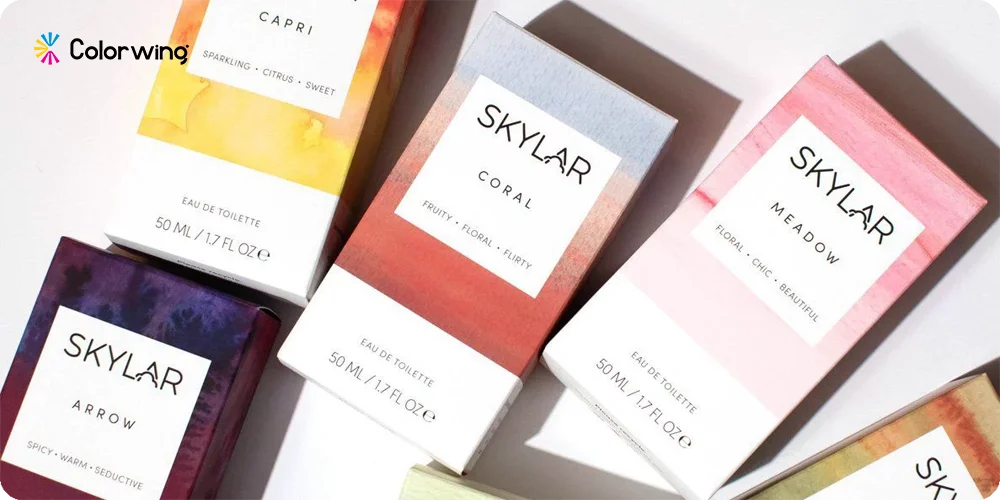
ROI is not only about the first sale. It is also about how many times a customer comes back. Packaging plays a role here too.
Custom folding cartons can increase customer lifetime value because they:
Make the unboxing or first-use moment feel more considered and premium.
Make it easier for customers to remember and recognize your brand later.
Provide space for social handles, website links, and offers that bring people back.
Better packaging can help customers feel that they made a good choice. That feeling supports repeat purchases and referrals, which are key drivers of long term ROI.
Generic vs Custom Folding Cartons – A Quick Overview
Here is a simple view of how generic and custom folding cartons differ from an ROI perspective.
Area | Generic or stock cartons | Custom folding cartons |
Shelf and online appeal | Plain or generic look, easy to miss | Designed to stand out and communicate clearly. |
Fit and protection | One-size-fits-many, often loose or oversized | Sized and structured to fit your product tightly. |
Damage and return rate | Higher risk of impact damage and leaks | Lower risk due to better fit and board choice. |
Packing speed | Extra tape, fillers, and adjustments needed | Faster assembly and more consistent workflow. |
Shipping and storage | More air shipped, less efficient use of space | Right sized and flat-packed, better freight and storage efficiency. |
Brand and perceived value | Basic, low-information presentation | Premium feel and clearer story, supports pricing and loyalty. |
The extra margin you can gain through sales, reduced waste, and better operations is the real return on top of the packaging cost.
How to Think About Payback When Switching To Custom Folding Cartons
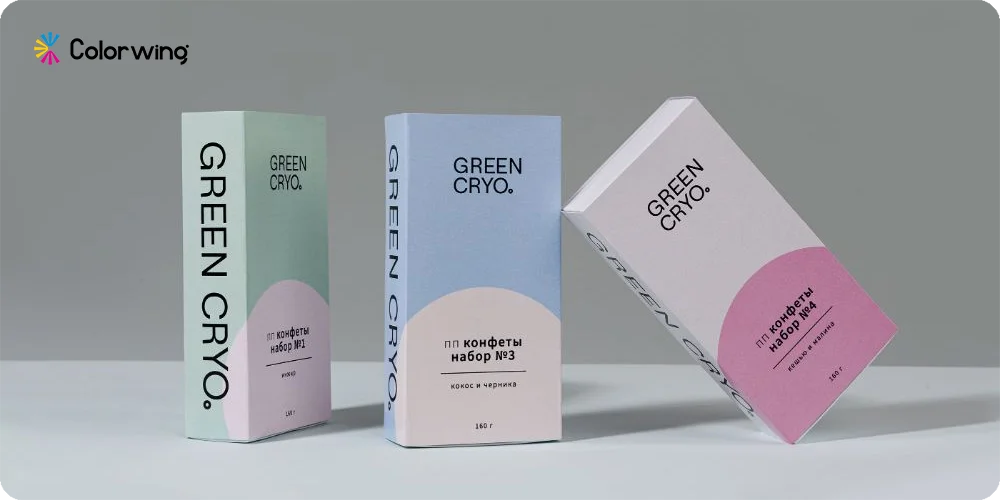
When you decide whether to switch from generic to custom folding cartons, it helps to ask a few simple questions:
1. How many sales would I need to gain to cover the extra cost?
Example: If your carton cost goes up by a small amount per unit, how many extra units sold per month would offset this? Even a small lift in conversion can be enough.
2. How much are current damages and returns costing me?
Look at how many units you replace each month. If custom cartons can lower that number, you save the full margin on every avoided return.
3. Can I save time on packing?
Estimate how many orders you pack per month and how much time you could save per order with better structures. Turning that time into labor cost gives you another ROI line.
4. Can I pack and ship more efficiently?
If right sizing and standardizing cartons lets you fit more units per case or pallet, your freight cost per unit can drop, which also feeds into ROI.
You do not need perfect numbers to see the direction. For many brands, the combined effect of small improvements in each area is enough to make custom folding cartons a smart choice.
How ColorWing Can Help You Maximize ROI from Custom Folding Cartons
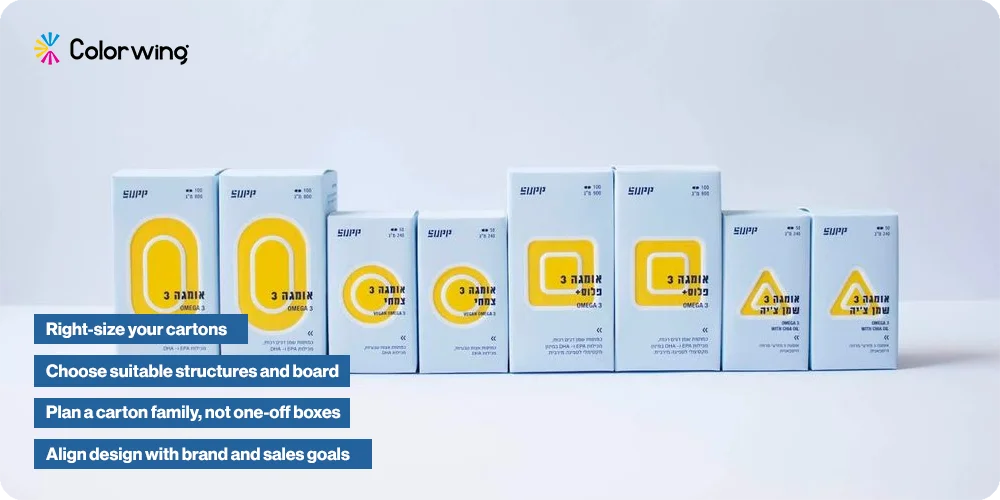
At ColorWing, our experts focus on helping brands design folding cartons that are not only attractive but also smart from a business point of view.
We can help you:
Right-size your cartons
Adjust dimensions so they fit your product and your shipping boxes more efficiently.
Choose suitable structures and board
Find the balance between protection and cost that matches your category and channels.
Plan a carton family, not one-off boxes
Create a small set of standard dielines that cover your range, which simplifies operations and future changes.
Align design with brand and sales goals
Use panels and finishes to highlight what actually drives purchase decisions in your category, not just decoration.
This kind of planning helps you get more value back from every unit you ship in a custom folding carton instead of treating packaging as a fixed expense.
Conclusion
Switching from generic to custom folding cartons is not about making your packaging “pretty.” It is about making your packaging work harder for your business. Custom cartons can help your product get noticed, reduce damage and returns, speed up packing, lower shipping waste, and leave customers with a better impression of your brand.
If you look at all these effects together, the extra spend per unit often pays for itself and then keeps paying back as you grow. That is the real ROI of custom folding cartons.
If you want to see what that could look like for your products, ColorWing can review your current packaging, your key SKUs, and your channels, then suggest custom folding carton options designed to boost your return, not just your design. Share a few details with the ColorWing team, and take the next step toward packaging that helps pay for itself.
Frequently Asked Questions
How can I measure the ROI of switching to custom folding cartons?
You can track changes in sales, return rates, packing time, and shipping cost per unit before and after the switch. Even small improvements in these areas can add up to a clear ROI over a few months.
Will custom folding cartons always increase my sales?
No change is guaranteed, but stronger presentation, clearer information, and better fit usually improve how customers respond to your product, which often shows up as higher conversion or repeat purchases.
What if my volumes are still small, is it worth it?
Even at small volumes, reduced damage, fewer reprints, and smoother packing can offset higher unit costs. Starting with a simple, well designed carton family helps you build a scalable system early.
How long does it take to see ROI from custom folding cartons?
Many brands start to see impact within a few reorder cycles as they compare sales patterns, return rates, and packing performance. Tangible improvements in these metrics are usually visible within a few months.
Can you guys help me estimate potential ROI before I switch?
Yes. Our experts can look at your current packaging designs, approximate damage and return rates, basic shipping data, and design goals, then help you model how custom folding cartons might change those numbers.

Emily Chris Kieran
Meet Emily Chris Kieran, a seasoned packaging industry writer with 7+ years of experience in the printing and packaging sector based in Texas. With a keen eye for color and a passion for data-driven insights, Emily crafts compelling content strategies that explore the intricacies of packaging and printing. She possesses in-depth knowledge of the industry's dynamics, staying up-to-date on the latest trends and technologies. When she's not delving into industry trends, you can find her unwinding on the golf course, where she finds inspiration and clarity. With a love for polo and a knack for storytelling, Emily brings a unique perspective to the world of packaging, illuminating fascinating facts and trends that inform and engage.