

*2 mins read
Types Of Packaging Materials For Food Products
Publish Date
December 03, 2025
Written by
Emily Chris Kieran
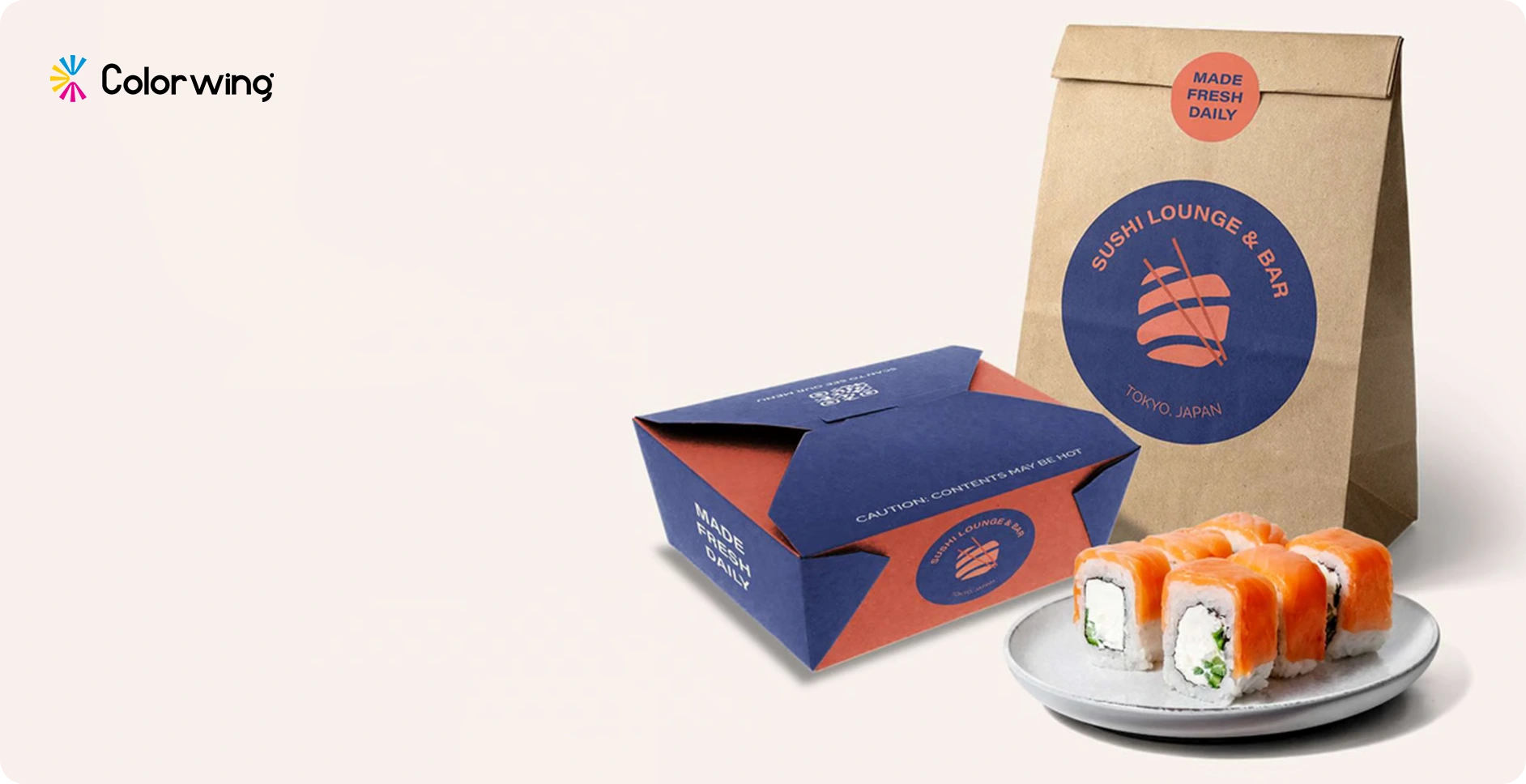
When we think of packaging on food products, the materials used play an essential role in keeping your products safe. The packaging is used to preserve food’s freshness and ensure customers can spot your products easily from afar. Like if you run a patisserie craft, brownies, macarons, you need a better takeout box. Whether you have retail cereals, oats, beef jerky, or run a food brand, your packaging can stand out from the crowded shelves. Your packaging is the decision-making factor that either gets your products sold or overlooked.
As a leading printing and packaging specialist in the USA working with many famous food brands, there is one question that we often hear a lot: “How to choose the right food packaging for your product?” You’ll get the answer to this question after fully understanding the types of packaging materials for food products. Which packaging materials you choose change everything. It affects the shelf life, product’s freshness, branding, and cost.
For food products, safety comes first, and packaging is the ultimate tool for it. Brands use food safe packaging materials to ensure products remain safe from contamination and harmful bacteria.
In this comprehensive blog, we will discuss the types of packaging materials and help you understand how to pick the right packaging option for your food products.
The Importance of Packaging Materials for Food Products
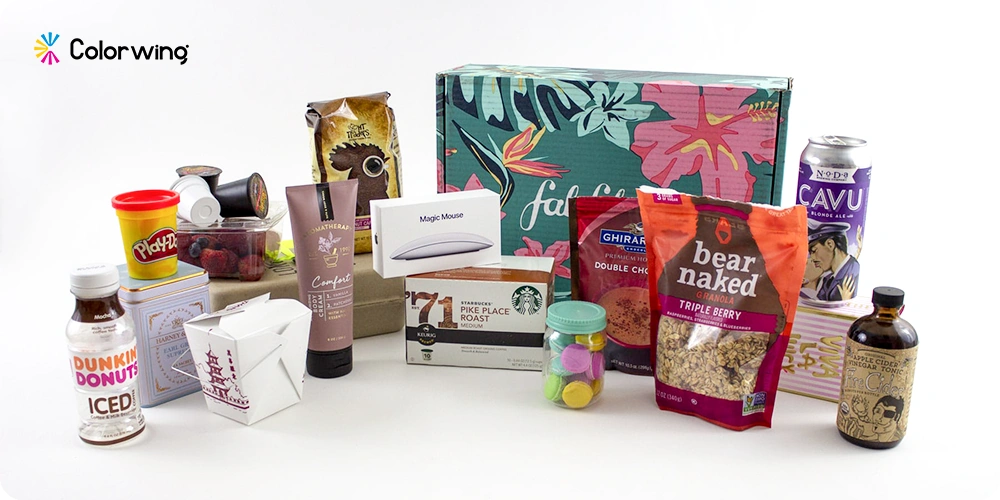
Choosing the right packaging materials for food specific products is very important as it’s the biggest factor that makes your brand and products successful. So you can’t just choose any packaging for your products; you have to make an informed decision. Your packaging tells your customers if the product is worth buying or not.
The material you choose for your packaging is responsible for defending your food products against bacteria, reducing the risk of contamination. It creates a protective barrier against light, moisture, and oxygen, which prevents spoilage and helps maintain flavor. It also plays an important role in extending the product’s shelf life and providing customers with the necessary information about the product.
“According to research, the global food packaging market was valued at USD 505.27 billion 2024, and is expected to grow to USD 815 billion by 2032, with a CAGR of 6.26% (Fortune Business Insights).”
The food packaging supplies range from custom box packaging to flexible plastic packaging like pouches and mylar bags.
Both of these packaging materials play a vital role in preserving food’s freshness and enhancing customer experience. It is important to fully understand each packaging material and determine if it aligns with your brand’s specific requirements.
Exploring Types of Food Packaging Materials
The materials used for packaging food play an important role in making them stand out and keeping them secure from external factors that could destroy your products. There are two main packaging types that stand out the most. One is paper based packaging, and the other is plastic, which is also known as flexible packaging materials for food products. These two packaging materials have the power to dominate the retail shelves and also keep your branding alive with their stunning appearance.
Let’s discuss these food grade packaging material types in detail:
Paper-Based Packaging Materials
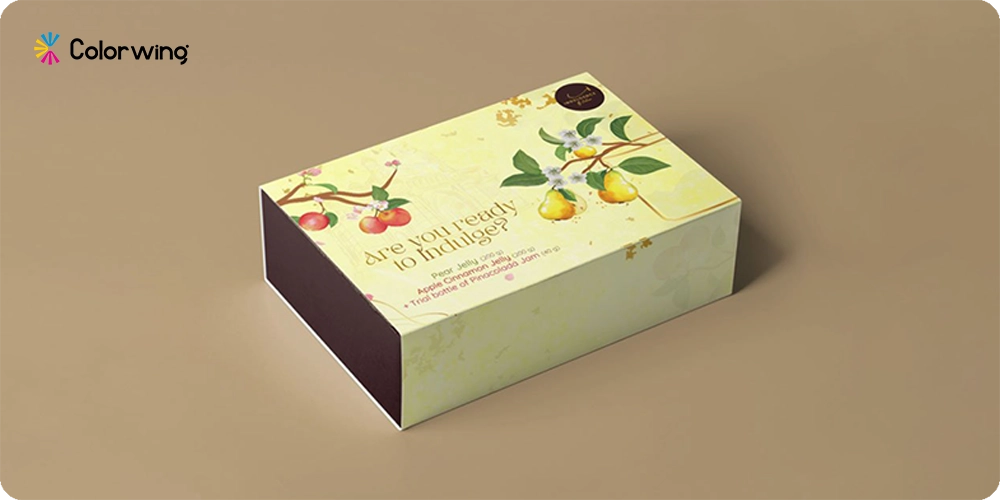
Paper-based packaging materials are considered an ideal packaging option for dry food products, snacks, bakery products, cereals, and meal kits. They have become an increasingly popular packaging option due to their recyclability and versatility.
Paper-based packaging includes the following materials:
Kraft Paper
Coated Paperboard
Paper or box packaging materials are famous for offering a natural and authentic feel to food products. It is also highly appealing to eco-conscious buyers. The box has a strong structure and offers a smooth surface for printing. It is a perfect choice for eco-conscious brands. These materials help your products get immediate attention from customers.
It is also considered a versatile alternative when it comes to product packaging. Brands can customize them easily according to product requirements and reflect their brand’s unique identity. They can add die-cut windows to enhance their product’s visibility or use embossing to make their packaging look and feel luxurious. All these things help you build a strong brand identity while ensuring your food products are safe.
Plastic Packaging Materials
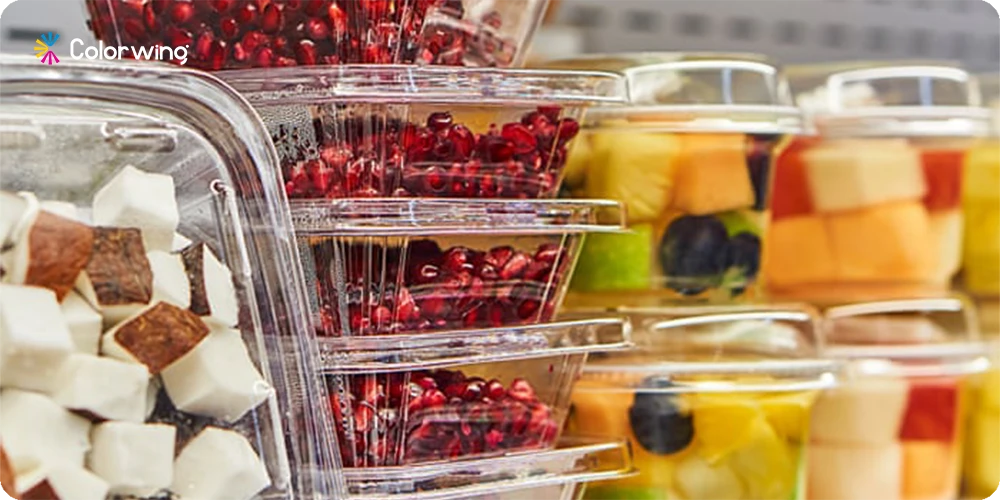
Plastic packaging is also considered a popular choice for food products. It helps keep products safe and fresh. Materials used for packaging food include PET, PP, and PVC. These materials are known for their remarkable strength. It's a versatile packaging solution and is used to pack snacks, powder, dried foods, pet treats, supplements, cosmetics, and electronics. Plastic material category offers the following packaging solutions:
Stand-up pouches
Mylar bags
Flat pouches and 3-side seal bags
Resealable zipper bags
These packaging ensures maximum product protection and provides a strong barrier against moisture, oxygen, and light. It also helps lock in odors. Brands that look for both aesthetic appeal and functionality, mylar or pouch packaging solutions are the best options. They can also order small food packaging to pack food samples, spices, and other products.
Overview of Food Packaging Materials
Paper Based Packaging Materials
Paper based packaging materials are considered the best packaging for food products. The food packaging industry continues to use these types packaging materials for their natural appeal and recyclability. Let’s discuss its subtypes in detail:
1. Rigid Food Boxes
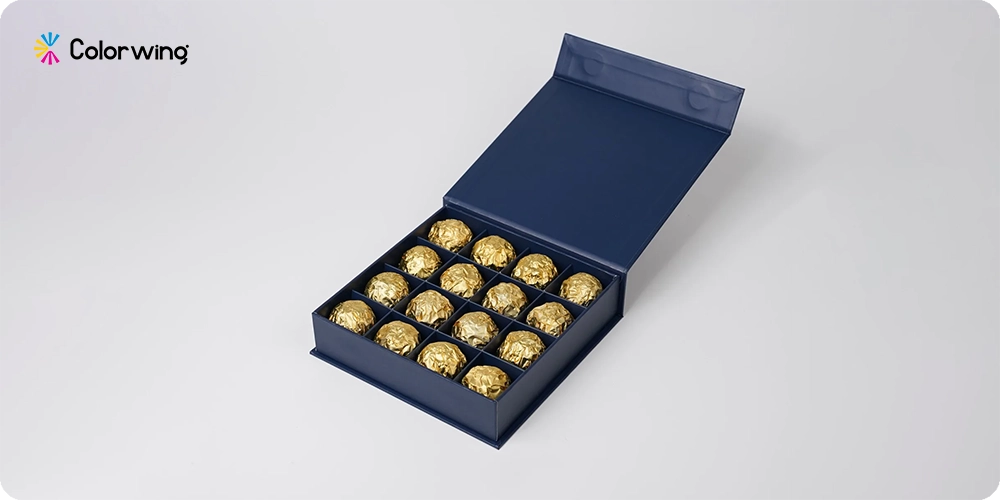
Rigid food packing boxes offer excellent durability as they are made from thick paperboard that doesn't bend easily. It offers superior product protection and a luxurious look. These boxes are designed to enhance the customer's unboxing experience. They come in various styles and can be easily customized to reflect your brand’s unique style. 0
2. Kraft Paper Bags
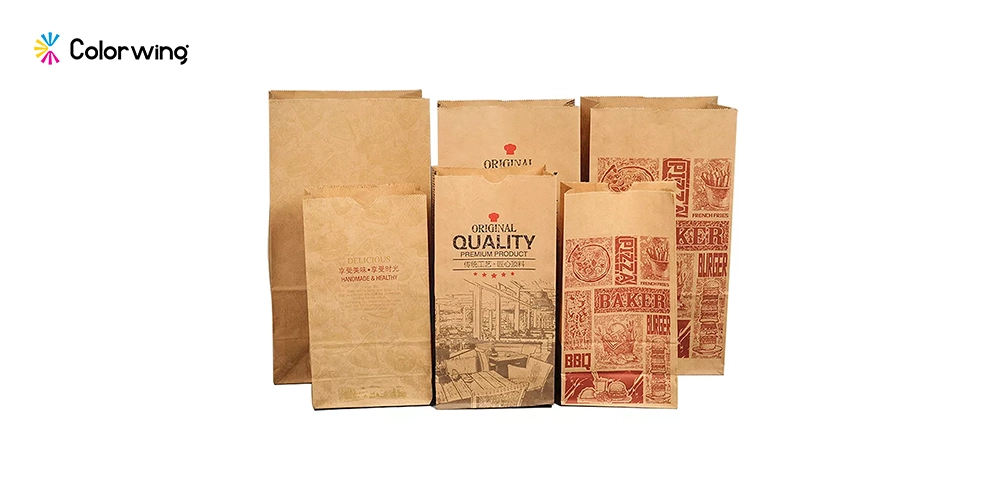
Kraft paper bags are considered a popular packaging for brands looking for eco-friendly packaging solutions. They offer a natural, rustic look, which is perfect to attract eco conscious consumers. They are fully recyclable and biodegradable.
3. Folding Cartons
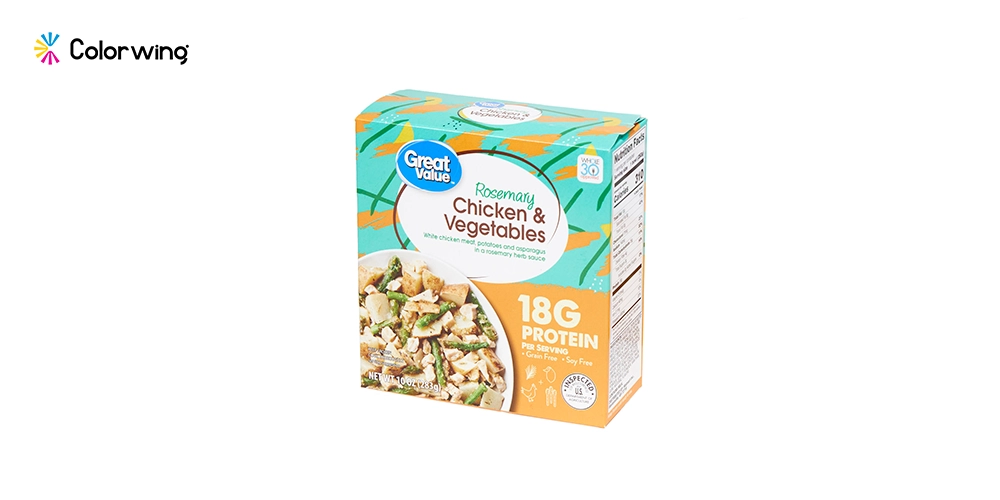
Folding cartons packaging are lightweight and cost-effective packaging solutions. They are made using corrugated cardboard and paperboard, which is perfect for food products. They are perfect to pack cereals, tea, snacks, and more.
4. Coate Paperboard
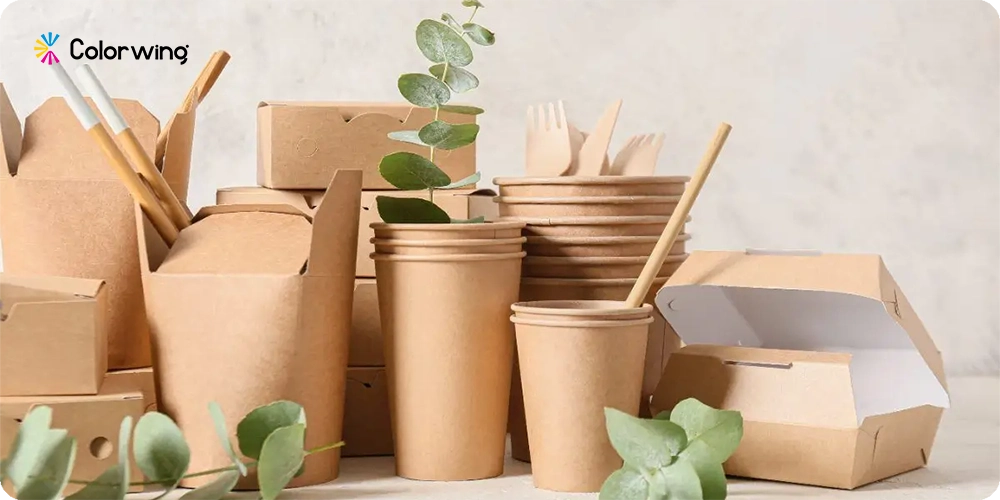
Coated paperboard for food packaging is a versatile and affordable solution that is known for its grease-resistance properties. With a food-grade safe wax, these boxes make it the best packaging for food protection. They are often used to keep food fresh and protected.
These are the top types of paper packaging. There are so many advantages of using paper based packaging materials. Let’s discuss them:
Sustainable and fully recyclable. Attract eco conscious consumers.
Ensure high quality design, printing, and premium branding.
Versatile packaging solution.
Enhance product presentation.
Plastic Packaging Materials
Plastic packaging is known for its versatility to keep food safe. It offers strong barriers against external factors, which help keep the food products fresh and enhance their shelf life. These packaging options offer brands endless customization options. This type of packaging comes in various styles:
1. Stand-Up Pouches
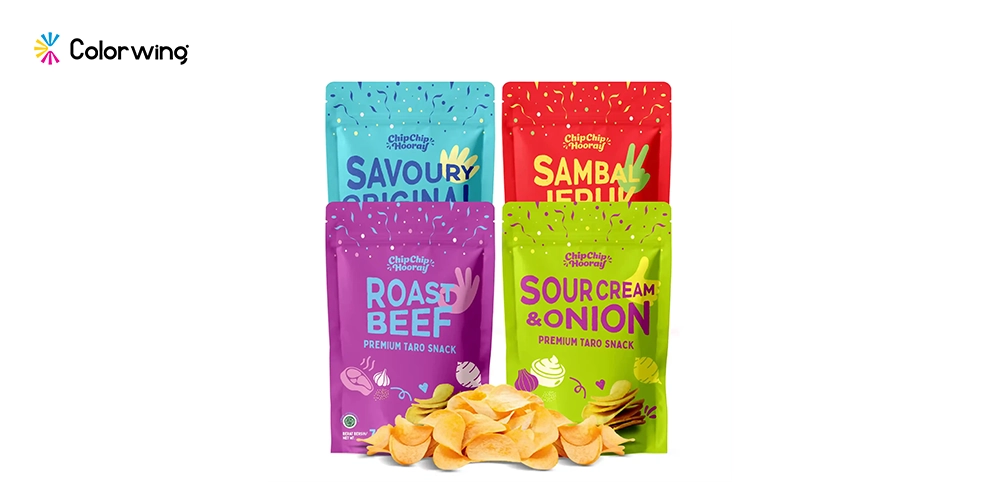
Stand up pouches are a popular choice for offering flexibility. They have a flat bottom, which allows them to stand upright, enhancing food products' shelf visibility. They are made using materials like plastic and aluminum foil. They can be used to pack a variety of food products.
2. Mylar Bags
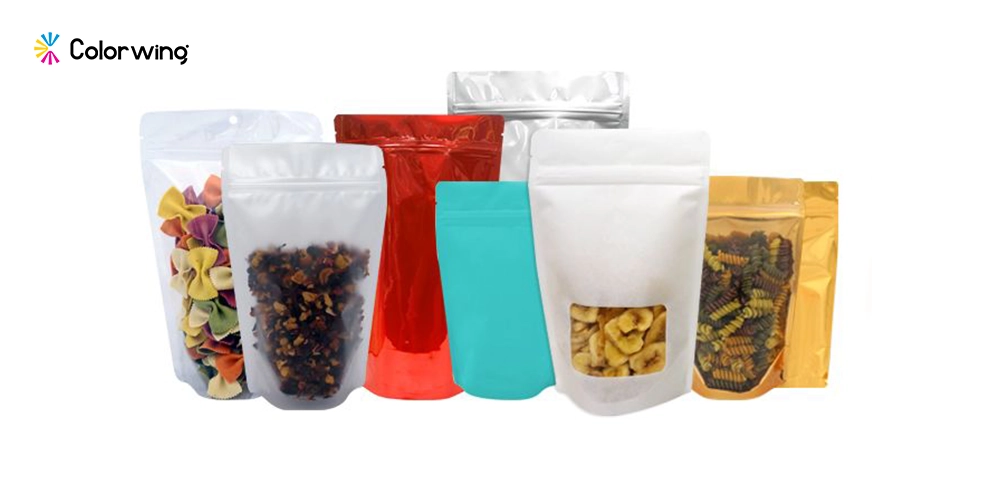
If you are looking for a packaging solution that allows you to store food products for a long time, then mylar bags are your best option. They are highly durable and offer an airtight seal. Brands can use this packaging solution to preserve food products for many years without spoilage. It is also widely used to pack a variety of products.
3. Flat Pouches & 3-Side Seal Bags
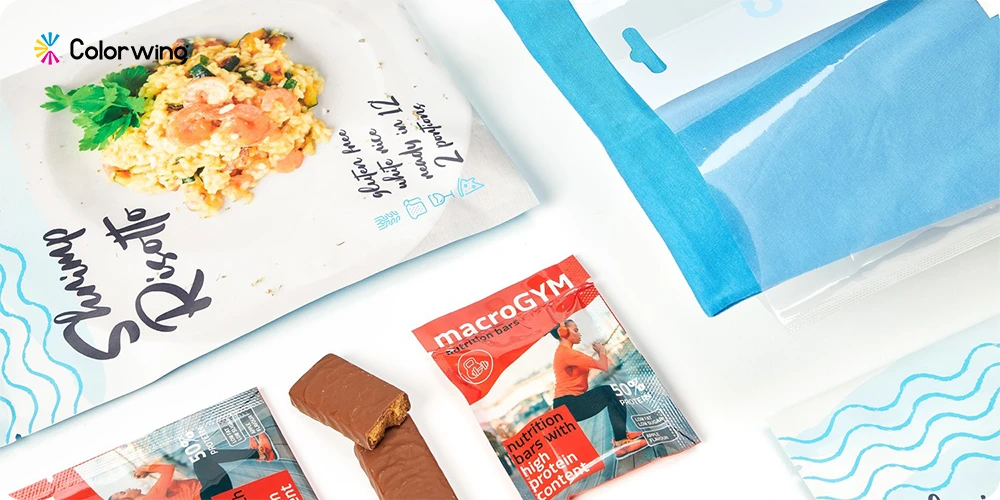
Flat pouches or 3-side seal bags are also a versatile food packaging solution. If you are looking for a packaging solution that works perfectly for single use, flat pouches are the way to go. They have 3 side sealed edges and are considered an affordable packaging solution. Brands can add a tear notch to flat pouches for easy opening.
4. Resealable Zipper Bags
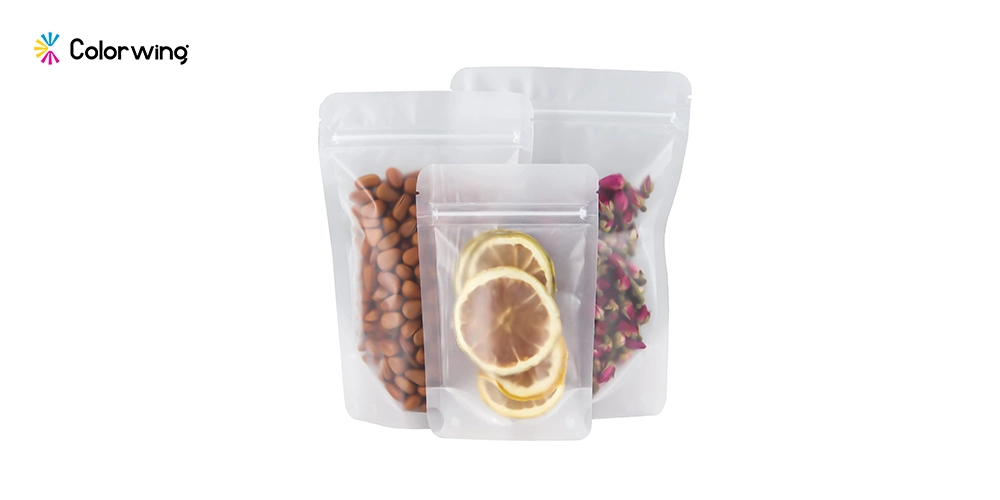
Resealable zipper bags are a popular choice because they offer convenience. Brands can choose zip lock bags to enhance product presentation. They are designed to maintain freshness. They are reusable and made from sturdy plastic materials.
These are some of the popular types of plastic packaging that brands can use and enjoy many amazing benefits that come with them. Below are the advantages of using this packaging solution:
Offer excellent barrier protection against environmental factors.
Strong enough to resist tears and ensure product safety during shipping and handling.
Enhance the product’s shelf appeal.
Highly convenient.
They are lightweight, which reduces shipping costs.
Choosing the Right Packaging Material for Your Food Products
Making the right decision when it comes to picking the right packaging material for your food products is very important. Your decision is what transforms your entire product experience. You have to fully understand your product's requirements and create packaging that meets and exceeds customers’ expectations. The main goal is to make sure the packaging you choose is strong enough to keep your products safe. Let’s discuss the key things to consider on how to choose the right food packaging for your product:
Understand Your Product’s Needs: Determine your product type first. You can choose paper packaging material for products like cereals. If the food is moisture sensitive, plastic pouches like mylar bags are the best option.
Branding & Shelf Appeal: Think about the visual identity you would like to reflect. Paper packaging materials offer an eco-friendly feel. Plastic pouches make your brand look bold and modern.
Shelf Life: Choose materials that meet the required storage requirements of your food products. If your food products require a longer shelf life, mylar bags are your best option.
Final Thought
The question “how to choose the right food packaging for your product” gets asked often by many brands. But the answer doesn’t have to be complicated. The food packaging industry is evolving every day, but it is always best to first understand your product requirements before making any decisions.
Among the top commercial food packaging suppliers, ColorWing stands as the manufacturer that really gets what your food products require. Their experts ensure your food supplies get excellent and retail-ready packaging that immediately attracts customers. Align your custom packaging with your brand’s vision and make your products unforgettable.

Emily Chris Kieran
Meet Emily Chris Kieran, a seasoned packaging industry writer with 7+ years of experience in the printing and packaging sector based in Texas. With a keen eye for color and a passion for data-driven insights, Emily crafts compelling content strategies that explore the intricacies of packaging and printing. She possesses in-depth knowledge of the industry's dynamics, staying up-to-date on the latest trends and technologies. When she's not delving into industry trends, you can find her unwinding on the golf course, where she finds inspiration and clarity. With a love for polo and a knack for storytelling, Emily brings a unique perspective to the world of packaging, illuminating fascinating facts and trends that inform and engage.