

*2 mins read
What Is Cardstock Paper? An Ultimate Guide
Publish Date
November 13, 2025
Written by
Emily Chris Kieran
Ever held a custom box, invitation card, or envelopes and wondered why they feel luxurious? Well, the chances are you were holding a cardstock paper. Now you must be thinking, “What is cardstock paper?” Let’s put this in simple words: cardstock is a thicker and sturdier type of paper. It is known for its remarkable durability. Not only that, cardstock paper offers a smooth surface for printing high-quality designs, which makes it a perfect choice for diverse applications, from greeting cards to premium box packaging.
Businesses can leave a lasting impression on their customers by choosing the right cardstock according to their unique business requirements. Choosing the right cardstock paper can transform an ordinary packaging into an unforgettable experience. Mostly, we use cardstock and artcard for promotional printing items.
In this comprehensive blog, we will discuss everything you need to learn about cardstock, what it is, how you can measure its weight, and how to select the perfect cardstock packaging for your project. We will guide you on how to make informed decisions when it comes to selecting the right cardstock paper.
What Is Cardstock Paper?
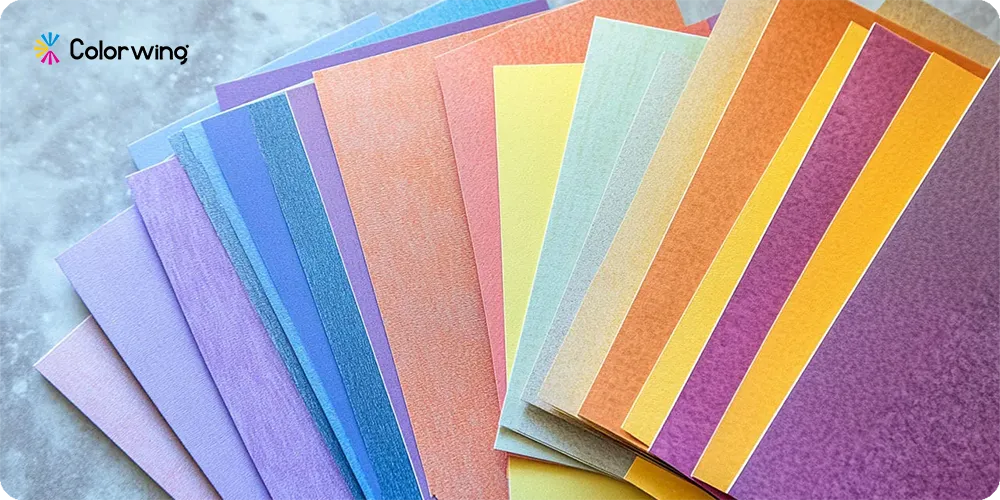
So, what’s cardstock? Cardstock is a thicker, sturdier, and smoother type of paper. It is more flexible than paperboard and cardboard and can be easily folded, which is why cardstock is used for different printing and packaging purposes.
According to research, the global cardstock market size was valued at USD 11.2 billion in 2024 and is predicted to reach USD 16.9 billion by 2033, growing with a CAGR of 4.6(DataIntelo).
Cardstock is often known as cover stock, heavy paper, or art cards. They all describe one thing, which is a premium, thicker paper that is basically designed to maintain its color beautifully and feel elegant to the touch. Unlike standard paper, cardstock withstands tears and bends easily. It holds its shape well and offers a smooth surface for printing designs. Cardstock paper makes your printed colors and design look vibrant and polished.
Cardstock is available in various weights. Its weight is measured in grams per square meter (GSM). The higher the GSM, the thicker and heavier the cardstock paper will be. It offers more than just a smooth surface and structure; it also adds a memorable tactile experience. You must be wondering, what is card stock used for? Brands use it to make bespoke business cards that keep promotional branding to the core. Elsewhere, SBS paperboard is used to make packaging boxes that keep products safe while enhancing them to make them look appealing on the shelves. To some extent, cardstock can be used to create customized printing essentials; in some premium packaging requirements, cosmetic boxes, and jewelry boxes are also used.
Cardstock Thickness: What GSM & Lbs Mean
The thickness of cardstock is measured in GSM and lbs. Understanding these two numbers is very important to choose the right cardstock thickness according to your project requirements.
So, what GSM is card stock? Well, GSM (grams per square meter) measures the exact weight and density of the paper. The higher the GSM, the thicker and durable your cardstock will be. On the other hand, lbs (pounds) measures how much a stack of 500 sheets of paper weighs before it's cut to a specific size.
We have added a reference table below to help you better understand it:
pt | lb | gsm |
12 pt | 100 lb | ≈ 271-298 gsm |
14 pt | 110 lb | ≈ 298-325 gsm |
16 pt | 120 lb | ≈ 325-350 gsm |
18 pt | 130 lb | ≈ 350-400 gsm |
24 pt | 160 lb | ≈ 450-500 gsm |
Cardstock below 200 gsm is considered lightweight. It is mostly used for a variety of everyday projects like menus, flyers, and brochures. The cardstock above 300 gsm is more rigid and is used for custom boxes, rigid packaging, business cards, and presentation folders.
The weight and thickness of cardstock directly influence how your packaging will perform. If you are planning to create custom boxes that keep your products safe during shipping and handling, then it's best to go higher GSM. This level of thickness will enhance your brand image and give your products a premium look. On the other hand, if you sell envelopes, inserts, or other projects that require easy folding, lightweight cardstock is your best option.
Coverstock vs Cardstock: Understanding The Difference
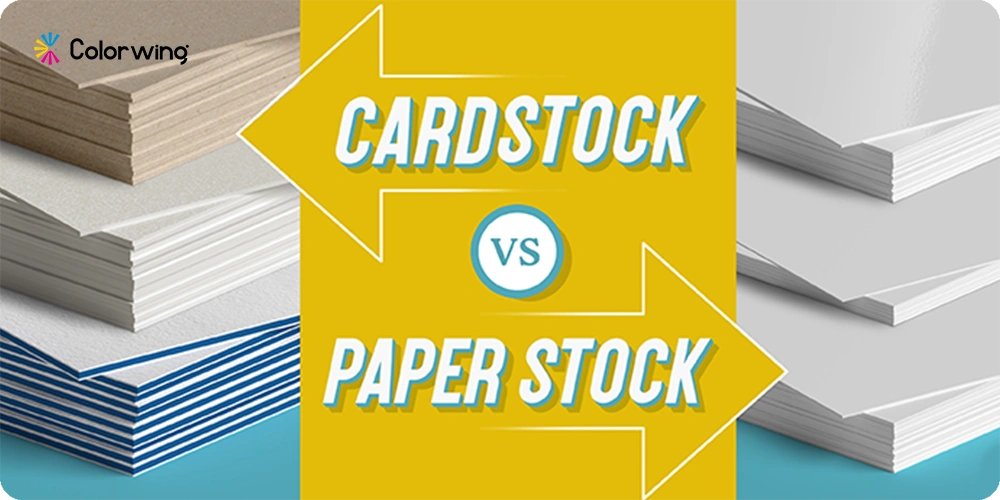
Both coverstock and cardstock typically refer to a heavyweight paper. These two may sound similar, and people use them interchangeably. But don’t think they are all that same. They have their differences when it comes to printing and packaging. Let’s define them separately so you can have a better understanding of how they are subtly different from each other:
Coverstock
Coverstock refers to a heavy and coated paper. It is used for projects that need a sturdier and more polished finish, for example, book covers, product sleeves, and presentation folders. Coverstock offers a smooth and coated (matte or gloss) surface, which is considered ideal for sharp design printing. Coverstock is more rigid and can’t be easily bent.
Cardstock
Now, let’s discuss what is cardstock paper. Cardstock is also a thicker and durable type of paper that is available in both coated and uncoated forms. It is considered an ideal choice for its versatility. Cardstock is available in different weights, finishes, and textures. Cardstock packaging is used for project that requires more durability, like invitation cards, business cards, and custom box packaging.
Here’s a quick comparison table to help you understand the difference between the two:
Feature | Coverstock | Cardstock |
Measurements | Typically measured by thickness in points | Measured by weight in GSM and lbs |
Typical Weight/GSM | Higher range (often 250 to 400 GSM) | Similar range, but it has more variety in finishes |
Coating | Coated (gloss or matte) | It can be coated, uncoated, or textured |
Primary Use | Book covers, folders, and outer packaging | Business cards, inserts, envelopes, greeting cards, and custom boxes |
Flexibility | More rigid and less bendable | Slightly more flexible depending on GSM |
Explore The Types of Cardstock
Now that you fully understand what's cardstock is, it’s time to explore its various types, which are commonly used by many businesses and designers. We discuss each type in detail and discuss how they are an ideal choice for your specific project requirements.
1. Coated Cardstock (Gloss & Matte)
.webp?alt=media&token=aab63aa8-13c1-40f8-920e-eaea51f478bd "Gloss cardstock")
Coated cardstock offers a smooth surface, which is often layered with matte or gloss coating. These finishing techniques enhance the visual impact and color vibrancy. Glossy cardstock offers a shiny and reflective surface; on the other hand, matte cardstock offers a smooth, non reflective surface. You can also choose between gloss text vs gloss cover, but remember gloss cover is thicker and gloss text is lighter and more flexible. It's perfect for a project that requires bold visuals like photo paper, sleeves, and luxury packaging. They are designed to impress your customers at first glance.
2. Uncoated Cardstock

Uncoated cardstock doesn’t have a glossy layer. Thus, it offers a natural texture and smoother finish. It has the ability to absorb ink pretty easily, which makes it an ideal choice for writing and stamping. Brands can use white card stock paper for envelopes, inserts, cards, and for other project that requires folding.
3 .Textured Cardstock
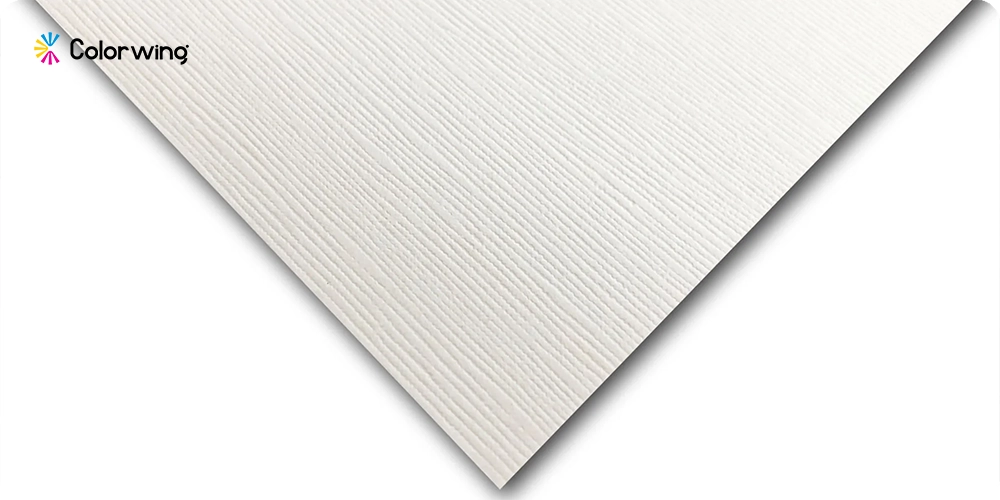
Textured cardstock adds a tactile feel to your projects. Brands use finishes like linen, canvas, soft touch, and woven effects to make their projects feel luxurious. It is commonly used for business cards, scrapbooking, and premium packaging. Its textured surface enhances the look and the feel of the paper. It is also considered an excellent solution for projects like cardstock cards and envelopes. This type of cardstock offers you amazing branding opportunities.
4. Recycled Cardstock

Recycled cardstock is the best way to attract eco conscious consumers. This type of cardstock is made from post consumer materials and is considered an ideal solution for brands that prioritize sustainability. Recycled cardstock is available in both coated and uncoated finishes. You have to choose between matte vs uncoated paper for sustainable projects.
5 .Art card or Specialty Cardstock

Specialty cardstock is also known as Artcard. It is a heavier type of cardstock and is generally used for high end projects. If you are comparing artcard vs. cardstock, they are both thick papers, but art card is thicker and more rigid. It is also available in a coated finish, while cardstock is a bit thinner as compared to artcard.
Advantages of Using Cardstock Paper
Cardstock offers numerous amazing advantages that make it an excellent choice for your next project. Let’s discuss those amazing benefits in detail:
Durability
One of the biggest advantages of cardstock paper is its durability. Unlike regular paper, cardstock offers unmatched strength and has the power to maintain its shape. Cardstock also resists tearing and can hold up under pressure. Brands using it for custom packaging can make sure their boxes and inserts stay rigid. It has the ability to protect your products during shipping and handling while making sure they look professional and stunning on the shelves.
Versatility
Cardstock paper is available in different thicknesses, finishes, and textures. This is why it is considered highly versatile and can be used for various project requirements.
Professional & Premium Look
Cardstock offers a professional and premium feel and look. Textured cardstock adds a tactile feel that gives your packaging a premium feel. Customers notice these details. These details enhance your product’s perceived value and brand perception.
Stunning Printing Quality
Cardstock offers a smooth surface, which makes the ink absorption process simple. The results are vibrant, sharp, and high resolution prints. That means you can use cardstock to make your graphics or photos pop.
Choosing The Right Cardstock For Your Project

Knowing what is cardstock paper is the first very step; the real game begins when you choose the right one for your project. Here’s how you can pick the perfect cardstock for your project:
Define Your Project: First, decide what you are creating. Is it envelopes, invitation cards, or packaging boxes? The purpose of the project help you decide the perfect thickness and coating.
Decide the Look & Feel: Decide whether your brand wants a premium feel and look, or a more natural and minimal look.
Pick the Right Weight: Choosing the right cardstock weight is important, as it affects how rigid and flexible the paper will be.
ColorWing’s Promise
These insights show how ColorWing doesn’t just print; we give brands a chance to leave a memorable impression on their customers. As your trusted packaging partner in the USA, we offer you a wide range of cardstock paper. We make sure our printing and packaging solutions are perfectly tailored to your product's requirements. Sturdy custom packaging, flawless design and color printing, and smooth finishes, you name it, we do it.
In a Nutshell
Now you fully understand what is cardstock paper. If you are making business cards, invitation cards, or custom boxes, make sure you choose the thickness and finish of your cardstock paper. The right choice defines what your customers feel about your brand.
At ColorWing, being located at Rosenberg, Texa, we use advanced printing techniques and high quality cardstock to help you create custom packaging that makes your brand stand out. Let us help you select the perfect cardstock for your next big project.

Emily Chris Kieran
Meet Emily Chris Kieran, a seasoned packaging industry writer with 7+ years of experience in the printing and packaging sector based in Texas. With a keen eye for color and a passion for data-driven insights, Emily crafts compelling content strategies that explore the intricacies of packaging and printing. She possesses in-depth knowledge of the industry's dynamics, staying up-to-date on the latest trends and technologies. When she's not delving into industry trends, you can find her unwinding on the golf course, where she finds inspiration and clarity. With a love for polo and a knack for storytelling, Emily brings a unique perspective to the world of packaging, illuminating fascinating facts and trends that inform and engage.