

*2 mins read
What is Die Cutting? An Ultimate Guide To What Does Die Cut Mean
Publish Date
November 13, 2025
Written by
Emily Chris Kieran
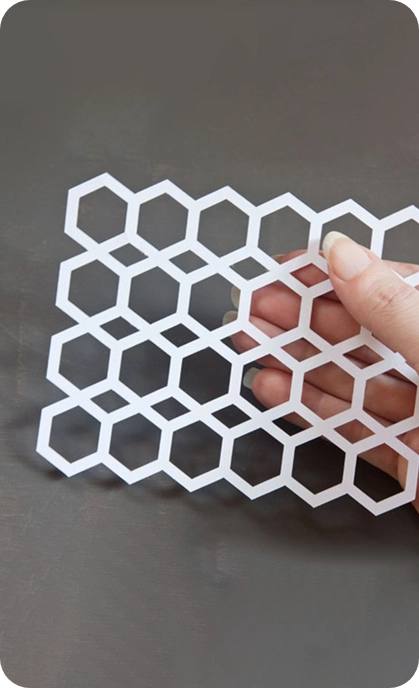
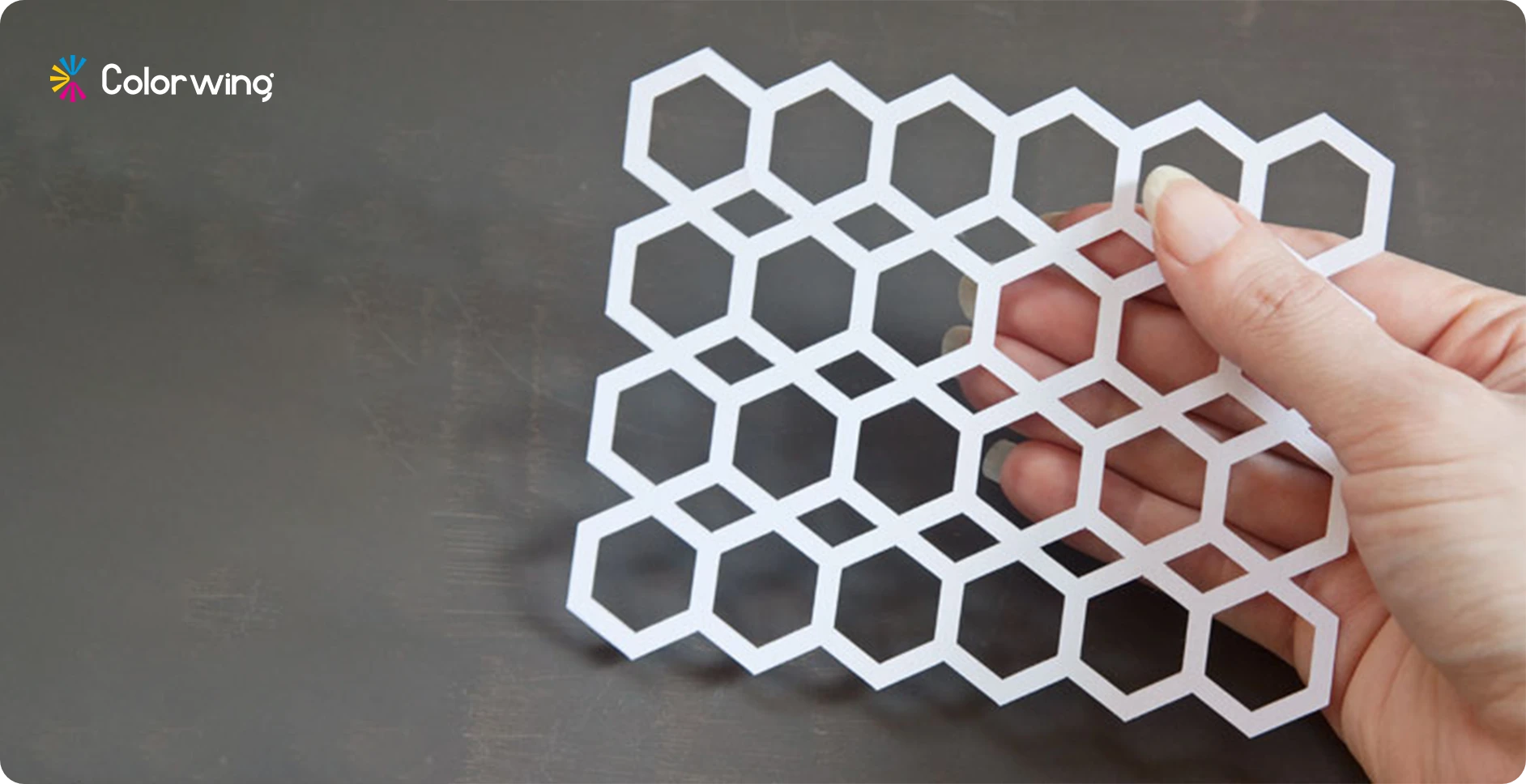
Have you ever wondered how your custom boxes or oddly shaped stickers get their perfect, precise edges? It can all be tackled through die-cutting, simply, but die-cutting uses a precise die-cutting using using super sharp custom-made tool called a die. Think of it as a giant, specialized cookie-cutter for paper, cardboard, or plastic. In easy words, when you look what is die cutting? It is the process that cuts, folds, or perforates materials into exact shapes that a regular machine or scissors just can't match. From a simple window on a box to complex folding cartons, die cutting is the essential step that turns flat material into custom, eye-catching, and functional packaging.
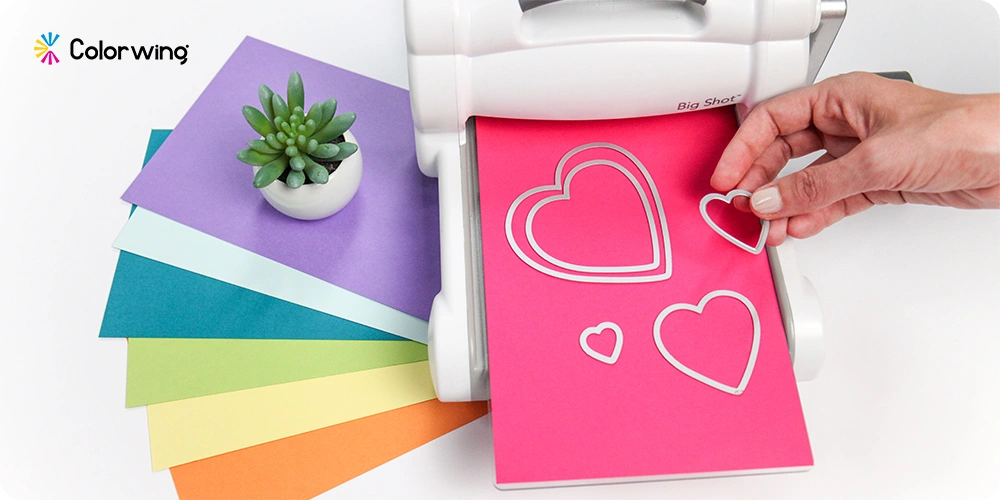
Die cut means using a sharp tool called a die to cut shapes or patterns into materials like cardboard or paper. The die acts like a custom cookie cutter. It cuts, scores, or perforates the material to make exact shapes that normal cutting machines cannot achieve. Die-cut cardboard boxes are great examples. When it’s about what is die cutting? Then it’s the whole process using the die to cut and form your packaging or printing material to turn out the material into a specific shape.
They have precise shapes, folds, or windows made possible only by die cuts. What does die cut mean in packaging? It means creating customized, unique, and functional packaging shapes to support brand identity and product protection. There is no one-size-fits-all; each die is tailored. Over time, the term “dye cut” has been wrongly used, but the correct term is “die cut.” Die cutting elevates ordinary cardboard into eye-catching custom packaging.
What is a Cutting Die and How is it Made?
A cutting die is a tool crafted to cut specific shapes onto packaging materials. It consists of metal strips called steel rules, bent and formed into the shape needed. These rules are attached to a solid base known as a die board. The die board is often made from hardwood or composite wood. How is a cutting die made? It starts with a digital design created via Computer-Aided Design (CAD). This design is transferred onto the die board’s surface. Modern processes use laser cutters to burn precise outlines on the wooden board for accuracy.
The steel rules are bent using a rule bender machine that cuts and notches metal strips. These strips are hammered carefully onto the die board, creating cutting edges. Foam or rubber pieces are glued under the metal to absorb shocks and aid in pushing cut parts off during production. Different rules serve different functions, including through-cutting, scoring, creasing, and perforation. The result is a durable, precise die that custom-cuts packaging shapes for consistent mass production.
Cardboard die cutting is a manufacturing process that uses a specialized tool called a die and a die-cutting machine to cut, crease, and shape cardboard into precise, consistent designs, such as custom packaging boxes.
How Are Die Cuts Made And What Are Die Cuts?
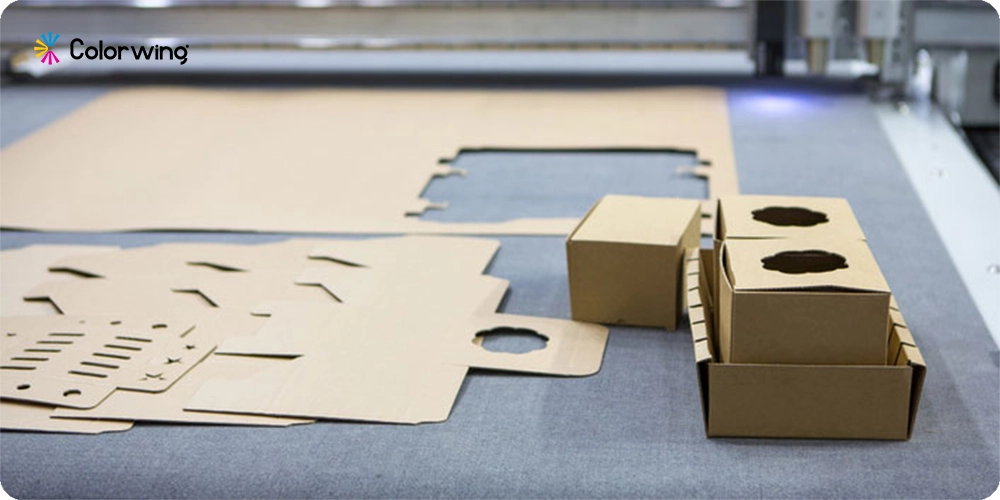
Die cuts are made by pressing the cutting die firmly into packaging material, slicing the shape into the substrate. Depending on the design, the die cuts can include solid cutouts, crease folds, or perforated tear lines. How does die cutting work? The machine’s pressure pushes or rolls the die across the material. For flatbed dies, the die is pressed vertically onto sheets or blanks of cardboard. Rotary die cutters use cylindrical dies that roll over the material continuously. What are die cuts exactly? They are the final shapes you see on packaging, whether a window on a box or a custom fold line. You can get a die cut for the box through the exceptional machinery.
Die cutting allows the creation of intricate, consistent patterns for packaging that are impossible to cut manually. The process is flexible in scale and design complexity. With the correct die, manufacturers can cut large quantities with little variation, ensuring product integrity and brand consistency. It also supports multiple material types from cardboard to plastics, expanding design possibilities.
What Is Die Cut Printing And How Does It Work?
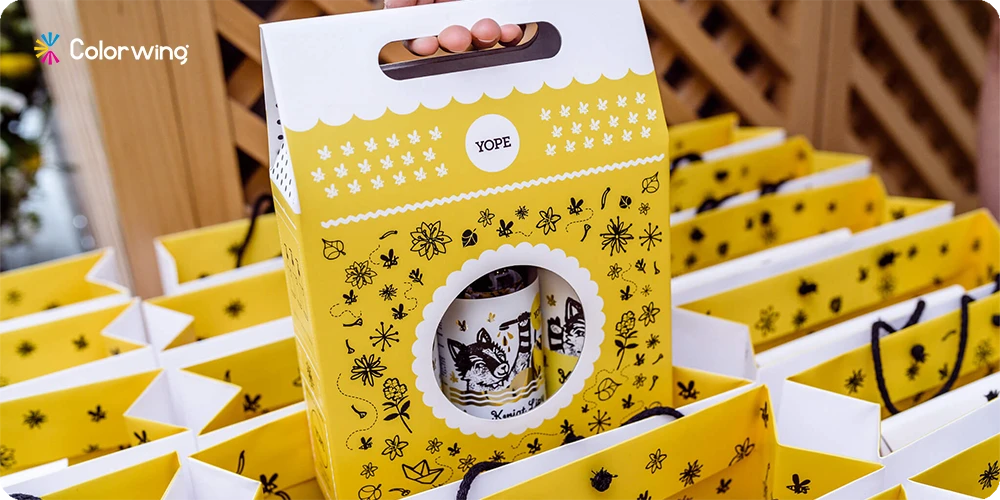
Die cut printing combines the die cutting process with print production. Every die cut project has a dieline, the artwork template showing where cuts, folds, and bleeds occur. These dielines are essential in die cut printing for aligning visual designs exactly with the cuts on the packaging. How does die-cutting print work? First, printers apply the design on cardboard based on the dieline layout. Next, the cutting die matches the dieline to create a perfect cutout. This ensures no print is trimmed incorrectly.
Precise dielines prevent wasted materials and misaligned graphics, saving costs. Die cut printing supports elaborate packaging designs with signage, cut-outs, pop-ups, or windows in boxes. The technology requires close coordination between graphic design, printing, and die manufacturing teams to achieve exact results. Using die-cut printing unlocks premium packaging quality, extending brand appeal on retail shelves. There can be nesting dies, which are a set of metal dies for the same basic shapes that can be made in several sizes.
What Are Rotary And Semi-Rotary Die Cutting And How Do They Differ?
Rotary die cutting uses cylindrical or roller dies that rotate over continuous sheets of packaging material. This process is fast and suited for high-volume runs of simple shapes without deep creases. Semi-rotary die cutting combines flat and rotary methods, offering more design detail at moderate speeds. Flatbed die cutting presses a flat die vertically onto sheets, allowing intricate, complex cuts, but at slower speeds.
Rotary cutting dies excel in mass manufacturing. They produce large quantities quickly with minimal setup time. Flatbed dies permit more complex shapes, scoring, and perforations for detailed folding cartons boxes. Semi-rotary offers a balanced approach for medium batch sizes with decent detail. Choosing between rotary and semi-rotary depends on packaging design complexity, order volume, and budget constraints.
Developments in Die Cutting Technology
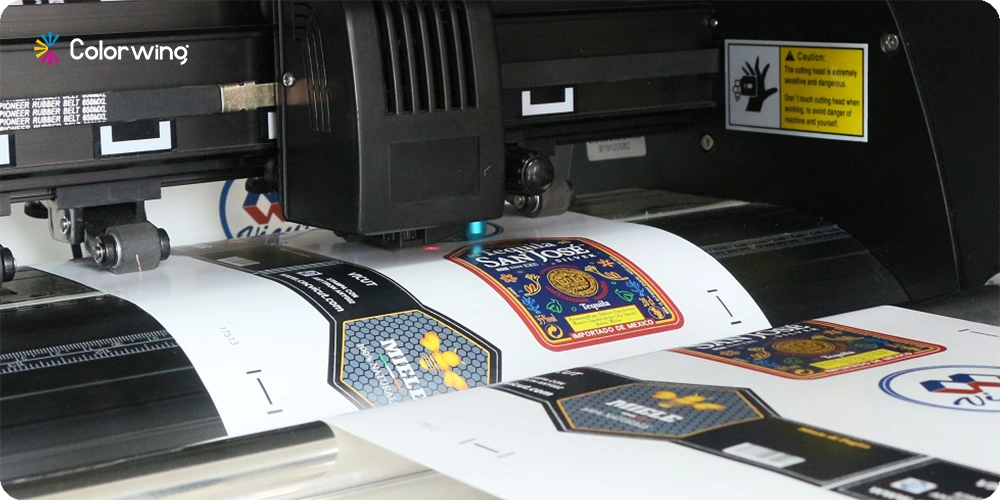
The die-cutting world keeps evolving. Advances in manufacturing allow ever-more complex designs with high accuracy. Previously, cutting dies were handcrafted entirely. Today, CAD software digitizes dieline designs for precision. Laser cutting burns intricate patterns into the die board, replacing earlier hand-cutting methods. Automation improves rule bending and assembly, reducing human error and speeding production.
Digital die cutting adds new dimensions. Laser die cutting machines cut packaging without steel blades, adding flexibility for prototypes or small runs. While manual dies still dominate industrial packaging, digital solutions aid customization and lower tooling costs. Sustainable die cutting also involves machines and materials that optimize waste reduction.
When it comes to dielines, these are templates for designing packaging, while diecut refers to the cutting process for materials as per the dieline using a die.
Die cuts begin with a die, which is a sort of metal object that has sharp areas for cutting.
A die has quite a resemblance to cookie cutters in that shape; that metal object is designed with the same shape, which is cut in the material.
What is Die in Manufacturing?
When it’s about manufacturing, a die is a specialized tool that helps to cut from several shaped materials to a specific and desired shape. These are used with the press and are quite essential for mass production. It enables them to create identical components with higher precision and efficiency.
There are several sorts of dies. Steel-rule dies cut thicker packaging materials for cutting a stack and thinner packaging all at once. For instance, the steel rule dies are quite sharp but are protected with foam and plastic for safety purposes. There are thinner metal dies that aren’t sharp and are unable to cut everything materials. The lighter metal dies are lighter in weight for easier storing and don’t require foam and plastic around them for safety.
Dimensional Impact on Each Box, Sticker, and Decal
Same like to embossing and foil stamping, die-cutting adds a dimensions impact to a piece as a die-cut shape can open a window for revealing contrasting colors and finishes for a printed image. Die-cuts can also be quite simple as a slit for holding a business card in a pocket folder. Die-cutting press operation involves a combination of scoring and perforation.
With a die-cutting rule made from metal strips, in which your materials are bent to form a peculiar shape. The dies are then pressed into sticker/vinyl or packaging material paper to cut it. Whether you want die-cutting stickers or boxes at ColorWing, we are adept at helping you out. Laser die-cutting is used for complex shapes. Labels and decals are made by a process also known as kiss die-cutting and can run on a letterpress or can be run through a flexographic press.
Like die-cut stickers, which come in several shapes, prove to be the first-rate choice. There can be die-cut labels that can be strategically cut completely through both the vinyl layer and the backing material. You can keep the sticker in the exact shape you want it. It has extra material on the sides. You can pick die-cut labels, which are easy to create through the printing design and vinyl, utilizing a die. (A tool, often made from the sharp metals) For cutting through backing paper and vinyl. With the outcomes, a custom-shaped die label without any excessive material can be formed. Like these, there can be die cut signs, custom-shaped die cut brochures, and die cut for card making, so your business appeal accentuates.
The Prevalent Finishing Touches in Die-Cutting Process
After you know what die cutting is? The cutting process makes it possible to get an assortment of unique custom packaging, no matter the size. The material folds or functions can illustrate a refined look. With custom printing essentials to custom packaging, the finishing touches provide a special touch that leaves a lasting impression. From the luxury outlook to finishing techniques, the custom packaging die-cut design can impact your brand.
The focus on packaging design resonates positively, impacting the user experience and how it impacts further purchase decisions. There are some finishing techniques, like die-cutting machines are capable of that can be beneficial to get the most out of the custom packaging and print process. Some of the most common finishes are listed below.
Embossing/Debossing
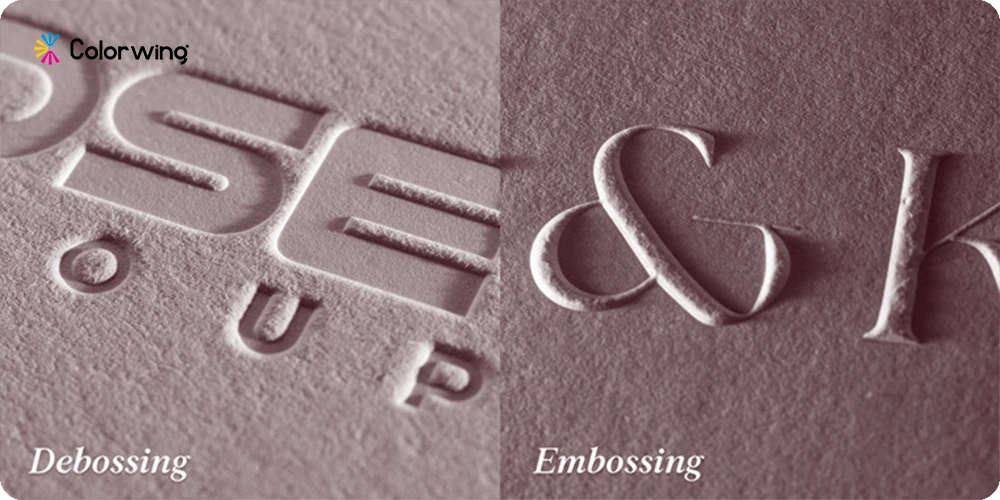
When it is about embossing, it is a printing technique that uses an embossing machine for raising the print higher off the surface of the packaging. Moreover, a metal die is made similar to a cutting die, which is used for embossing the desired area. It is also a well-known technique, like debossing, the opposite of embossing, where the design gets pressed underneath the packaging or printing surface. This also creates an indented look for the finish.
UV Print
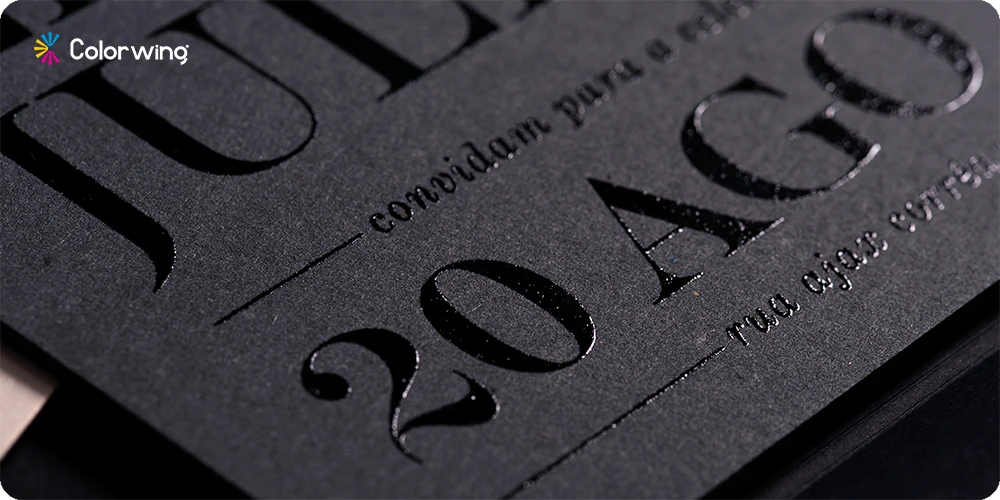
When it’s about UV printing, it also utilizes an expedient ultraviolet curing technology, but during the printing process. Once a packaging material passes by the printer, it receives wet inks, which are exposed to UV lights.
Foil Hot Stamping
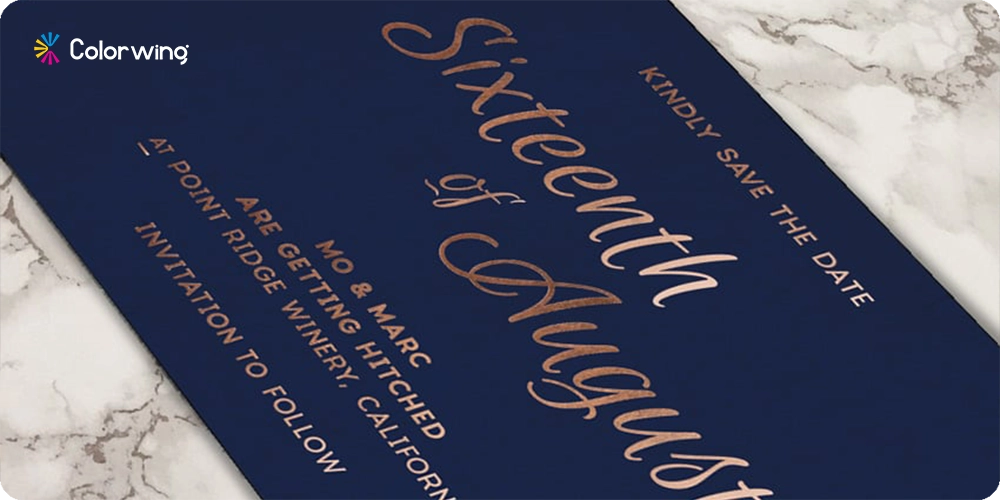
It is a finishing technique popular for custom packaging and stickers as well, that uses high temperature for gluing foil or dry paint in any desired die-cut shape. The finishes are pressed on with a die that transfers the heat.
ColorWing’s Advanced Die Cutting For Your Packaging & Promotional Products
With die-cutting as the benchmark for precision manufacturing, it separates generic packaging solutions from exceptional ones like custom retail packaging. From boxes to promotional items, it’s more than a cut; but it’s the innovative and efficient process. It uses a bespoke die and dieline, which ensures each label, each custom box, each sticker, or decal is of exact shape and high quality.
Investing in a company that has an advanced die-cutting process helps you with brand consistency, product safety for the USA market. As a top-tier packaging and printing company, ColorWing takes pride in serving Rosenberg, Houston, TX, and all of the USA, by transforming the plain market into a unique, functional asset with a better consumer experience. The consumers will be fond of your branding and packaging quality consistency. The exceptional strength of the boxes and stickers made through these uplifts the shelf life. Also, the strengthened maximum product protection is preserved. Are you ready to define your brand's unique shape? Partner with ColorWing for advanced die cutting that transforms your vision into flawless, functional products.

Emily Chris Kieran
Meet Emily Chris Kieran, a seasoned packaging industry writer with 7+ years of experience in the printing and packaging sector based in Texas. With a keen eye for color and a passion for data-driven insights, Emily crafts compelling content strategies that explore the intricacies of packaging and printing. She possesses in-depth knowledge of the industry's dynamics, staying up-to-date on the latest trends and technologies. When she's not delving into industry trends, you can find her unwinding on the golf course, where she finds inspiration and clarity. With a love for polo and a knack for storytelling, Emily brings a unique perspective to the world of packaging, illuminating fascinating facts and trends that inform and engage.