

*2 mins read
What is Embossing vs. Debossing?
Publish Date
January 30, 2026
Written by
Emily Chris Kieran
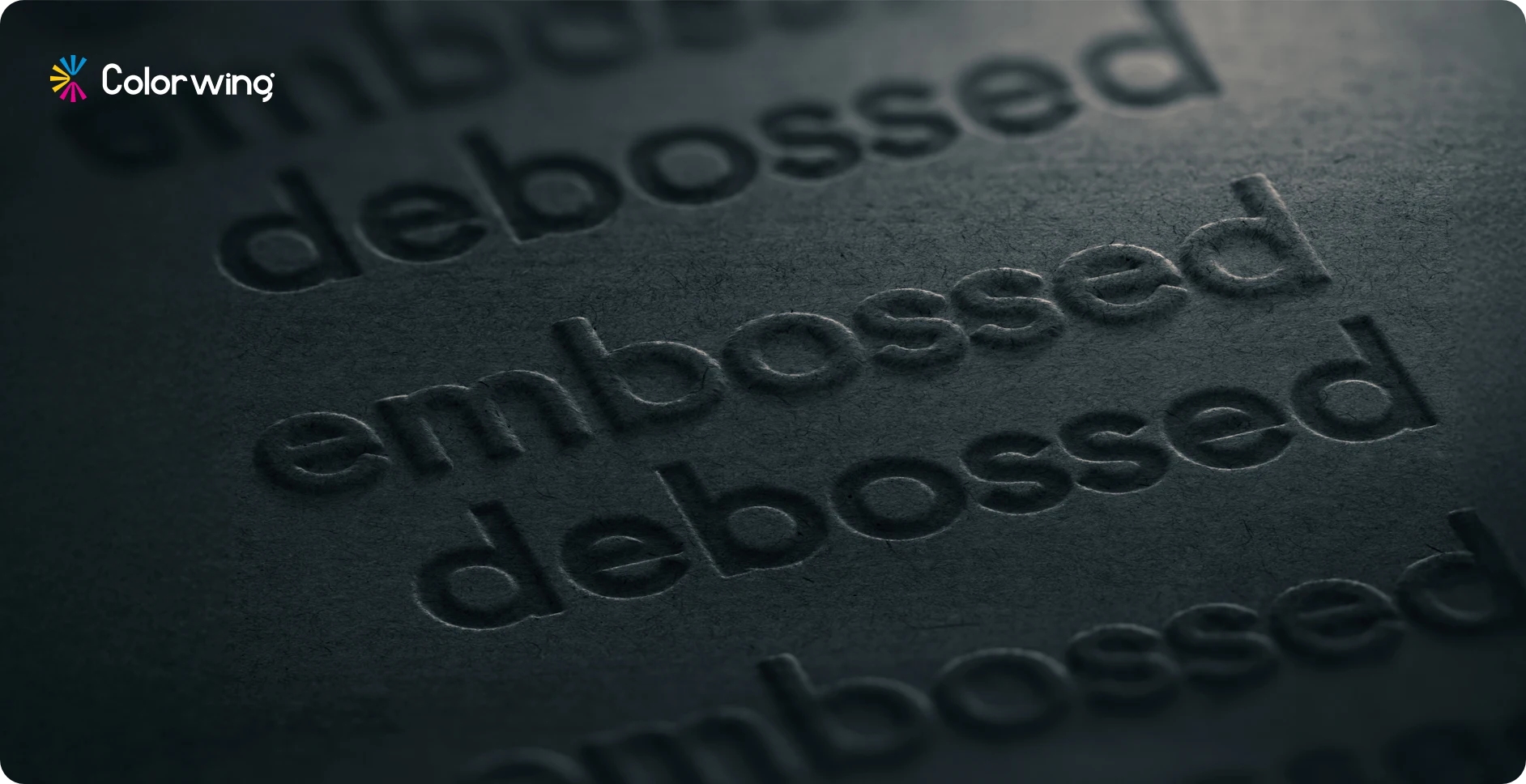
Debossing and embossing, two finishing techniques, transform ordinary packaging into something that people will want to touch, pick up and remember. The surface is sculpted by using pressure and a metal tool. However, one technique lifts up the design while the other embeds it in the material.
When its about embossing and debossing both have their role to ensure packaging and printing remains favorable choice.
Significance of These Finishings Embossing vs. Debossing
Embossing and debossing both serve their own purpose for giving your printing and packaging an embellished look. With embossed finish it creates a raised image and or text on the material, while debossed finish also creates a sunken,indents or depressed image or text. It means that the embossed effect is suited for designs that can be standout. While debossed effect suits to blend in or create a subtle texture. The embossing gets placed right from the back of the material. While the debossing effect is catered through front.
Embossing vs. debossing both have their own outcomes for printing essentials,and packaging, Embossing is quite suitable for thicker materials, while debossing is more feasible for thinner materials. For instance, if you want to create elegant classic look, embossing is quite a better option, if you want to create edgy yet modish look debossed is a more preferable choice.
For example, if you want to create an elegant and classic look, embossing is a better option. If you want to create a modern and edgy look, debossing may be a better option.
What is embossed packaging?
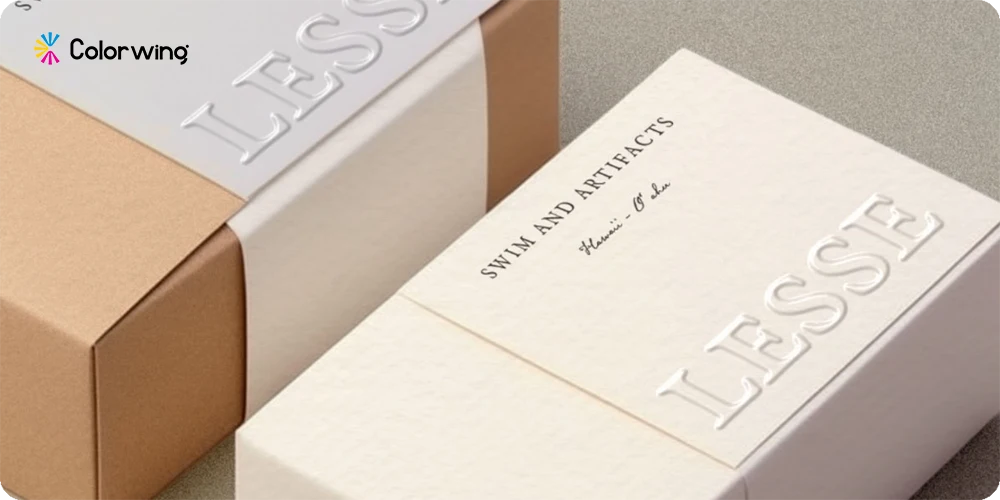
The packaging is embossed with a design that rises above the surface. The "male" and the "female", metal die sets, press the material in between them to make the logo, pattern or text pop out.
Brands emboss when they need high-impact elements such as logos, crests or key graphics that stand out instantly. Combining foil, spot-UV, or textured embossing creates a strong presence on the shelf for premium spirits, luxury chocolates, cosmetics and tech accessories.
The Embossing Process
After printing and cutting, packaging and embossing add a final touch. This is the flow of the process:
The desired logo, pattern, or text is engraved on a custom metal die.
A sheet of packaging, usually paperboard, cardstock or thin plastic, is placed in between two dies that match.
The design is raised on the front by heat and pressure.
Designers have a variety of embossing options, such as multi-level embossing, single-level embossing, or textured embossing, which mimics organic surfaces, leather, fabric, etc. Brands can choose how dramatic, subdued, or tactile they want each element to feel.
What is Debossed Packaging?
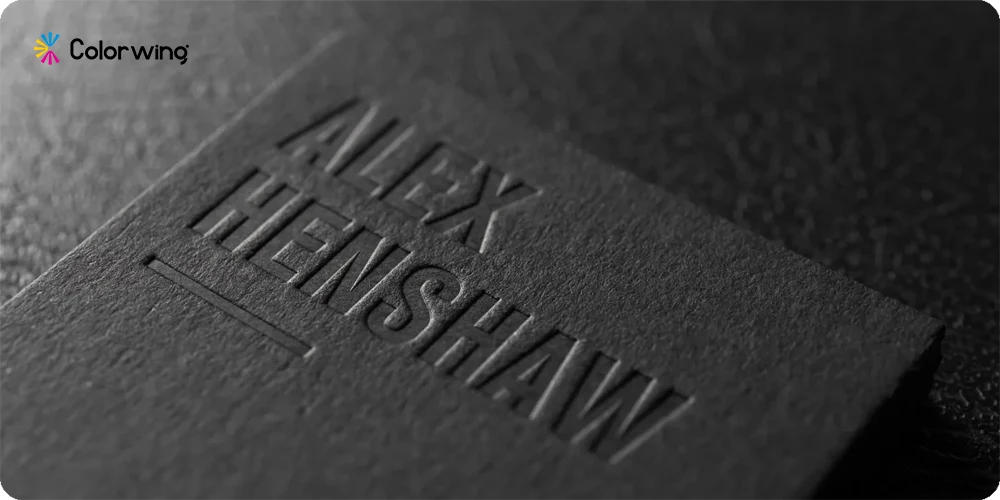
The opposite is true for debossed packaging: Instead of lifting up the design, the die presses it into the material. A die is used to create an indented pattern, logo or message below the surrounding area.
Debossing is a popular method for high-end lifestyle, beauty and skincare brands. It gives the impression of a soft valley when you touch it. This technique is particularly effective when used on coated cards, paperboard and leather-like wrappings.
The Debossing Process
Debossing is a similar process, but the pressure direction is reversed. The die presses on the front surface of the material, creating a raised area for the design.
Debossing is done in a variety of ways depending on the project.
Blind is a term used to describe a print that has no ink, foil or other markings.
Registered with foil or print so that the indented areas also have color or metallic shine.
Debossing works best on flexible substrates such as paper, certain plastics and thin boards.
The Types and Styles
Die styles for embossing or debossing are usually made of steel or brass and tailored to the design. Common die styles include:
Flat (single level) dies are used for simple raised or recessed logos.
Multi-level dies that can be used to create more sculptured and dimensional artwork.
Textured dies are used to apply textures such as leather, linen or geometric patterns across large surfaces.
Debossing can be achieved with just one plate, depending on the depth of the material and the dies used. Die quality has a direct impact on line sharpness, durability and consistency over large print runs.
The Power of Embossing
It is perfect for highlighting something to make it easily recognizable both by sight and feel. Examples of typical uses include:
Boxes of premium chocolates and confectioneries
Fragrance cartons & rigid cosmetic boxes
High-end electronic packaging and gadget sleeves
Business cards, invitations and luxury stationery
The raised surface catches both light and shadow and naturally draws the eye to embossed items on shelves or in photos of unboxing. Brands often combine embossing and foil stamping in order to increase the perceived luxury.
The Best Places to Use Debossing
Debossing is more about depth and subtlety than drama. The recessed impression is perfect for refined branding, where the details are revealed as the customer holds the box.
You will often find debossed packaging:
Skincare and cosmetics lines that aim for a spa-like aesthetic
Gift boxes and packaging for keepsakes that are rigid
Premium journals, notebooks and accessory boxes
Labels for high-end wines and spirits with carved details
Debossing is also a good option when the design requires extra protection. The impression is below the surface, so it's less likely to get damaged by handling.
Shared uses in everyday products
You can emboss and deboss a surface using techniques such as raising or reshaping it.
Common examples include:
Thank-you cards, invitations, and greeting cards
Large organizations need letterheads and corporate stationary.
Book Covers and Dust Jackets
Important documents, such as ID cards and credit cards
Clothing and labels with raised or recessed Logos
In braille books, wayfinding materials and other accessible materials, embossing can be used to make the raised dots durable and tactile.
What brands use embossed and debossed packaging?
Brands across all sectors use these finishes to differentiate themselves from plain-printed boxes and signal their quality. Adopters include:
Brands of chocolate and confectionery using sculpted or paperboard logos.
Companies that sell subscription boxes and gift items can add raised or recessed monograms and crests to their boxes for the purpose of unboxing.
Brands of electronics and gadgets that emphasize innovation, with sharp, clean finishes.
Skincare and cosmetics lines that combine soft-touch coatings, debossed designs and a spa-like feel.
Because these techniques work on many substrates--paperboard, cardboard, plastic laminates, some textiles they scale from boutique runs to national retail presence.
The Differences Between Embossed and Debossed Both Visual and Tactile
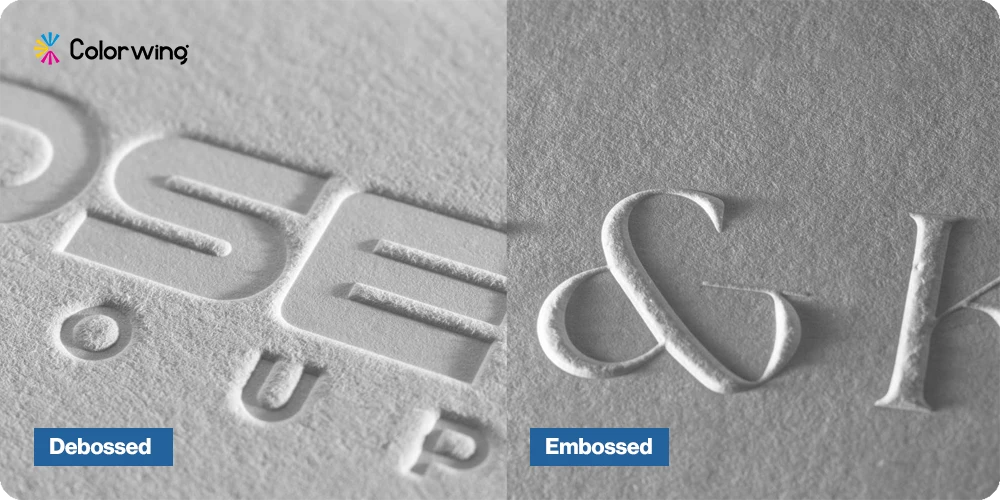
The difference between the two is obvious:
Embossed : the design is raised from the surface.
Debossed: Design is pressed beneath the surface.
Visually, embossing is louder and more noticeable, making it ideal for logos and key graphics which need to be recognizable from afar. Debossing is quieter, more subtle and creates shadows and depth.
Debossed patterns feel like channels or pockets carved into the material. These two techniques add a richness to the material that can't be achieved by printed ink.
Embossing or Debossing? Cost and Production Considerations
Both processes require an additional step and more tooling from a production perspective, but the cost profiles may vary.
It is often necessary to use a male and female die pair that matches. This can require a tighter registration which may make embossing slightly more expensive.
In certain workflows, the tooling costs can be reduced by using a single plate.
It is also important to consider the substrate: more rigid, thicker materials are better suited for embossing, whereas flexible papers can often be debossed with a cleaner finish and less cracking risk. Metal dies that are durable and can be used repeatedly will ensure consistent impressions on long runs.
Material and Design Restrictions
Not all materials react the same to heat and pressure. Typically, embossing works best with:
Heavy card stock
Paperboard and Boxboard
Certain plastics, laminated paper and other materials
Deep embossing may cause distortion or tear the substrate if it is thin or fragile. Debossing is more forgiving with slightly flexible or thinner substrates. Metals and hard plastics need to be controlled precisely to avoid damage.
Designers should also consider line thickness and spacing. Fine details can lose definition or fill in, while large solid areas might not emboss and deboss equally.
Choose Between Debossing or Embossing
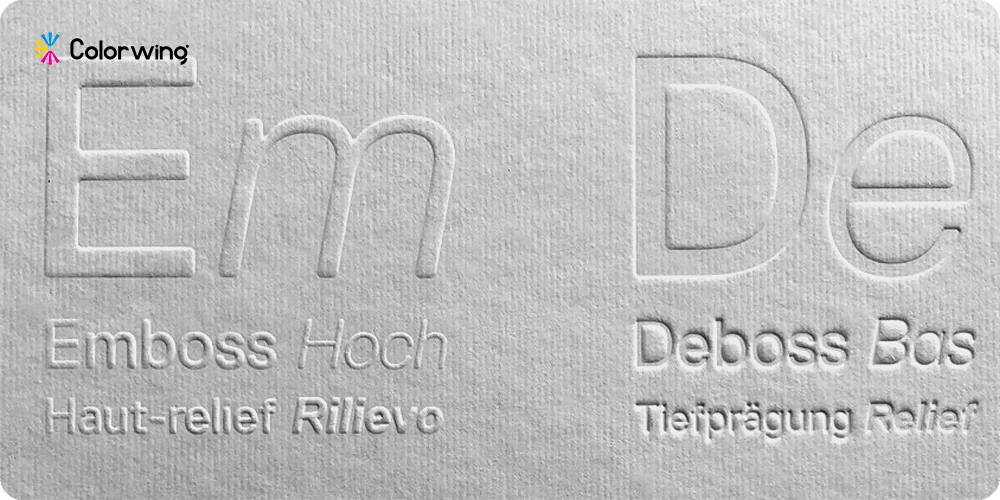
The brand, the audience and the product type will determine whether you emboss or deboss.
When embossing is the best option:
Brands want to be seen from afar.
The logo should have the same feel as a badge, crest or other identifying mark.
For extra shine, the design is paired with a foil or spot-UV.
When is Debossing the best option?
The brand is characterized by a minimalist, modern or "quiet" luxury aesthetic.
The design should be engraved, not stamped.
Since recessed art is more exposed, it requires extra protection.
Designers often test both approaches on mockups to see how they interact with the coatings, colors, and lighting.
Combining Embossing and Debossing with Other Finishes
These two techniques are often paired with other high-end finishes. Popular combinations include:
Metallic logos that catch the light are best created by embossing + foil stamping.
For a velvety, refined feel on cosmetics and tech boxes, use Deboss+ matte or soft-touch.
Spot UV + embossed texture to create contrast between flat and raised components.
The combination of colors and shapes can help packaging standout in categories with many products that are similar.
Brand Perception and Impact on Consumers
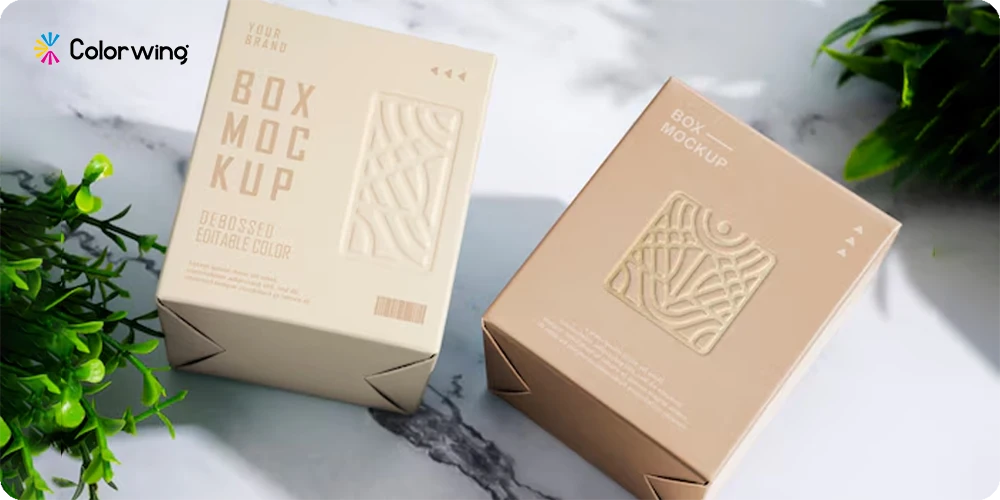
In packaging, studies and examples show that tactile finishes such as embossing or debossing increase perceived value of products. This is especially true in the premium segment. Even when the core structure is the same, shoppers associate detailed finishes with higher quality and craftsmanship.
When customers touch a logo that is raised or recessed, they form a stronger emotional and physical connection with the brand. This extra sensory layer is especially important for repeat purchases and giftable products.
Features | Embossing | Debossing |
Appearance/Profile | Positive Relief (Raised above the surface of the substrate) | Negative Relief (pressed/sunk into substrate surface) |
Dimensional Effect | Creates a 3-dimensional projection that results in a convex-shaped surface. | Concave surface is created by creating a three-dimensional recess. |
Visual/Tactile impact | The tactile stimulation is strong, striking, and dramatic. It is bold and attracts the eye. | Subtle, sophisticated, and tactilely distinctive. It gives a sense of sophistication and depth, but is often minimalist. |
Die Configuration | To sandwich and form material, you will need a female (recessed counter) and male (raised) die set. | It is usually necessary to use a male die which presses the material onto a receiving plate, or even the surface. |
Material Suitability | It is excellent on paper stocks (including white cardboard and fiber), leather, faux leather, foils, and certain plastics. | It is also suitable for leather, soft metal foil, and all types of paper stocks, plastic films, and leather. |
Relative Cost | The precision needed for the interlocking of male and female dies is generally higher. | The cost is slightly lower than embossing primarily because usually only one die (the male) is required. |
Primary Use Cases | Highlighting Logotypes and Titles with high-impact. Monograms and ornamental patterns can also be highlighted. This is often paired with a foil stamping to give it an extra boost. | Minimalist corporate identity and subtle text application where deep texture is the key. |
Which is better: Embossed or Debossed?
No packaging is "better" than the other. Each is ideal in its own context. Debossing is the best choice when brands want to create a strong presence on shelves and a dramatic look. Embossing is best when subtle refinement or depth is desired. Embossed vs Debossed, both are particularly popular trends, and these can be handled as per the prerequisites.
The majority of businesses are weighed:
Expectations of the target audience
Product Category (luxury or utility)
Material thickness and choice
Budget for additional dies and passes
Some brands mix both in a single system, embossing the main mark on rigid boxes while debossing specifics on inner cards or inserts. This creates a multi-layered and cohesive experience.
FAQ
What is the cost difference between embossing and debossing?
In some cases, embossing is more expensive because it requires tight registration and often requires matched male dies.
What lasts longer: debossing on packaging or embossing on packaging?
Both finishing effects have durability. However, debossed patterns sit beneath the surface of the material and may be less susceptible to scuffing, abrasion or scratching, especially on coated or soft materials.
Can embossing or debossing on corrugated card be used?
You can apply shallow embossing or debossing effects to corrugated board, particularly on outer laminated or coated liners. However, the depth and detail are usually less than that of solid paperboard.
Are there eco-friendly alternatives to embossing or debossing?
Using embossing or debossing on fibre-based substrates such as paperboard and cardstock adds texture by applying pressure, rather than adding extra chemical layers. They are compatible with recycling when they do not contain non-recyclable laminates or foils.

Emily Chris Kieran
Meet Emily Chris Kieran, a seasoned packaging industry writer with 7+ years of experience in the printing and packaging sector based in Texas. With a keen eye for color and a passion for data-driven insights, Emily crafts compelling content strategies that explore the intricacies of packaging and printing. She possesses in-depth knowledge of the industry's dynamics, staying up-to-date on the latest trends and technologies. When she's not delving into industry trends, you can find her unwinding on the golf course, where she finds inspiration and clarity. With a love for polo and a knack for storytelling, Emily brings a unique perspective to the world of packaging, illuminating fascinating facts and trends that inform and engage.