

*2 mins read
How to Choose Custom Bloom Box Packaging for Your Floral Business?
Publish Date
July 31, 2026
Written by
Emily Chris Kieran
To choose the right custom bloom box, florists must match box materials to moisture needs and select structural styles that support shipping and retail display. It's essential to align the design with the flowers you’re going to pack. A personalized flower box protects fresh stems and showcases them attractively.
Florists often struggle to find clear answers on flow packaging prices and options. You need a reliable way to present flowers but many suppliers hide the prices or push generic designs. Great packaging directly impacts product safety and business profitability. Making an informed decision about flower box sizes and materials helps minimize excess inventory and waste.
Buying wholesale flower packaging should not feel like a guessing game. We have written this blog to educate florists on how they can choose the custom bloom box packaging for their business. This blog explains everything including materials, sizes, branding choices and where they can buy. Make a wise packaging choice for your floral brand and reach new heights of success.
Key Takeaways:
Match packaging material to your stem moisture needs.
Pick box sizes that stop flower shifting during transit.
Compare rigid and corrugated options for durability.
Add clear branding to build customer loyalty. Always request physical samples before large orders.
What Is a Custom Bloom Box?
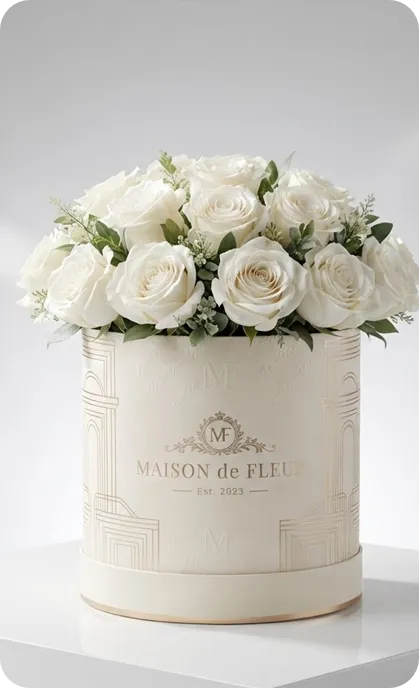
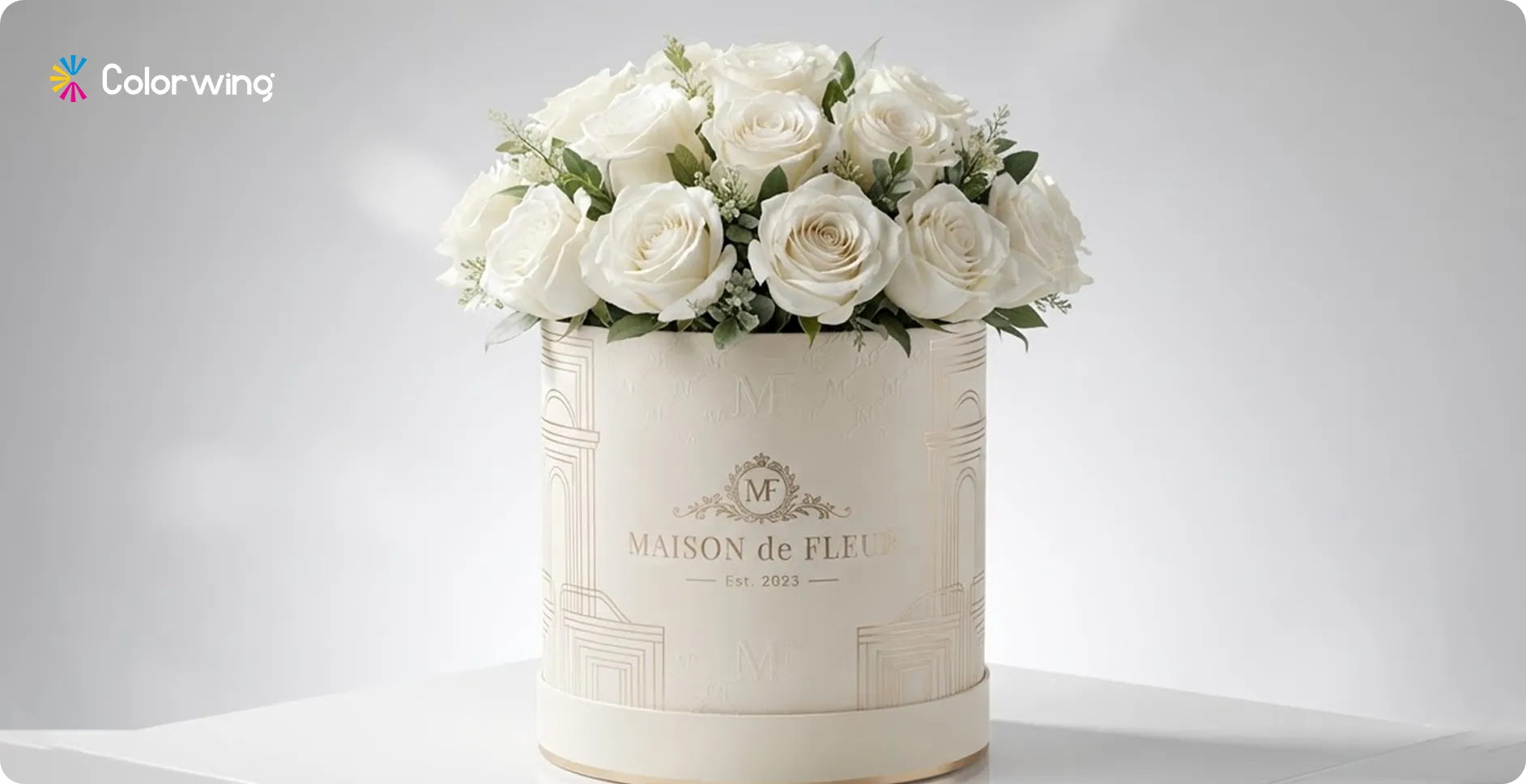
A custom bloom box is a purpose-built box made specially to protect and display fresh or preserved flowers. Unlike a standard flower shipping box, a bloom box features specific structural designs that keep stems upright and safe. They also serve as a physical extension of your brand. Among them are exact color matching, clear logo placement, and moisture-resistant coatings.
The purpose of generic packaging is just to move items from one place to another. But the personalized bloom box packaging creates a memorable experience for the buyer. Businesses that sell flowers use these boxes to charge premium prices and build trust with their customers.
The customer knows they bought a premium gift when they see a beautifully presented flower box. Instead of cheap plastic wrap, you use beautiful florist packaging supplies that support the weight of wet stems. Buyers will return for their next event if this upgrade reduces shipping damage.
Who Uses Custom Bloom Boxes?
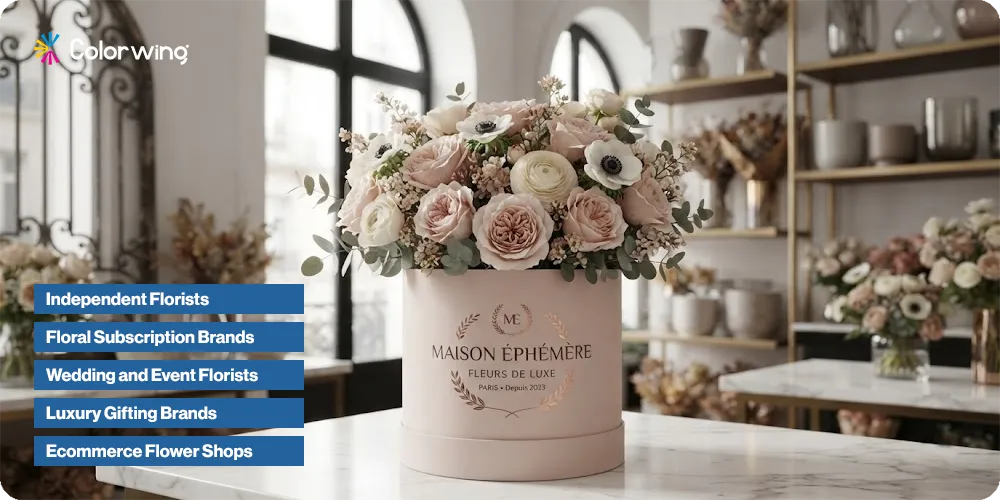
According to Mordor Intelligence, the US floriculture market is growing exponentially and it will reach USD 10.53 billion by 2031. Using traditional paper wraps to pack premium flowers may not work in this competitive market. Paper wraps can easily crush and blend into the background. This is the reason why luxury florists and elite event planners are moving away from traditional containers. They are adopting custom bloom boxes as they solve their biggest operational and marketing challenges simultaneously.
Here is who uses these boxes:
Independent Florists: They require display-ready boxes for walk-in customers and quick local delivery.
Floral Subscription Brands: Weekly delivery services require strong, corrugated custom bloom boxes that survive the postal system without crushing the stems.
Wedding and Event Florists: Professional designers need bulk flower boxes that hold massive arrangements safely during bumpy truck rides.
Luxury Gifting Brands: High-end sellers use rigid custom printed flower boxes with special finishes to justify premium prices.
Ecommerce Flower Shops: Online sellers depend on secure inserts to keep flowers locked in place during cross-country shipping.
These businesses charge 30% to 50% more per arrangement by just upgrading their packaging. Customized bloom boxes raise the perceived value of your flowers and make customers feel like they are buying a luxury keepsake.
What Materials Are Used In Custom Bloom Boxes?
The material choice really affects the overall presentation and branding value. It impacts the final cost and how well the flowers survive during shipping. Weak cardboard boxes spoil expensive arrangements. Supreme quality materials keep moisture inside and stop the flower box from collapsing. The knowledge about packaging materials is of great importance and every florist and brand owner should be aware about them.
Here’s table describing the materials and their typical use cases:
Material | Durability | Typical Use Case | Relative Cost |
Corrugated Cardboard | Very High | Long-distance shipping | Low |
Rigid Boxboard | High | Luxury retail gifts | High |
Folding Carton | Medium | Lightweight local delivery | Lowest |
Specialty (Velvet/Linen) | Medium | Premium VIP arrangements | Very High |
Water-Resistance and Sustainability
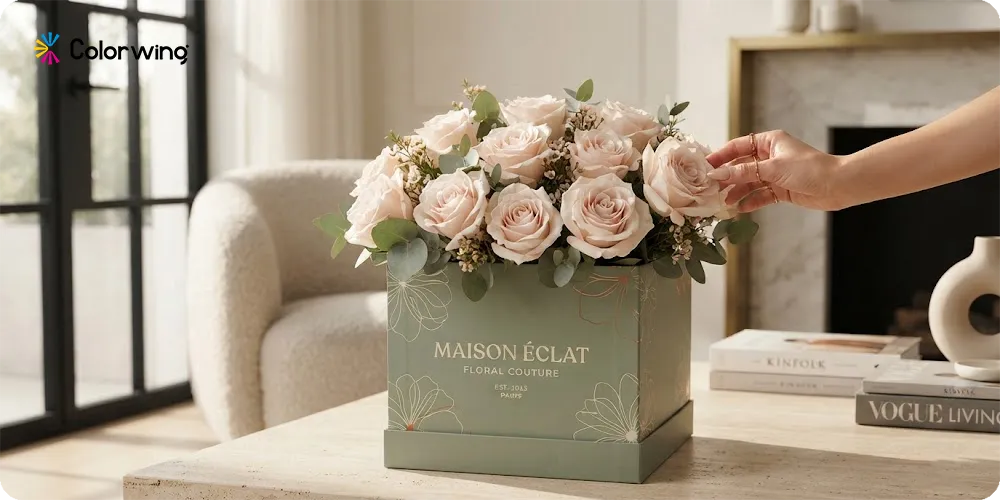
Fresh stems cause moisture in packaging. When your bloom boxes absorb water and moisture, the cardboard will weaken and collapse. Your packaging supplier must coat the inside of the box with moisture resistant coating. Water cannot ruin a structure with a thin wax or aqueous coating.
The environment is also a matter of great concern for floral customers. Choosing earth-friendly floral packaging options can give you moisture protection at the same time. Make sure the paperboard is FSC certified. Forests that have been responsibly managed are verified by this certification.
Promoting environmental values means avoiding heavy plastic laminates. Heavy and wet floral foam can easily be supported by sustainable materials. Protect your product and appeal to green-minded consumers with recycled custom flower packaging.
Custom Sizing And Style Options for Custom Bloom Boxes
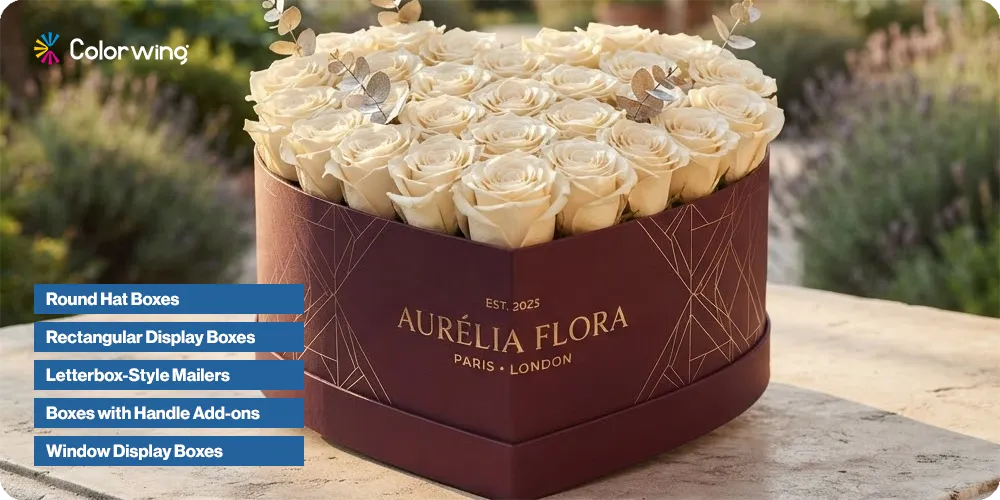
Generic packaging limits your creativity and doesn't fit the unique vision of every customer. You’re losing out on premium revenue if you’re using the same generic packaging for all types of roses. Choose custom shaped bloom boxes with unique style for your brand if you really want to capture every segment of the market.
Round Hat Boxes - Best for short-stem roses and dense arrangements. The round shape acts as a perfect table centerpiece for luxury gifting.
Rectangular Display Boxes - Perfect for long-stem roses. The classic long box builds excitement as the buyer opens the lid.
Letterbox-Style Mailers - Flat, thin boxes made for subscription services. They fit directly through a standard mail slot to ensure safe delivery.
Boxes with Handle Add-ons - Great for walk-in retail shops. The built-in handles act as a shopping bag, making it easy for buyers to carry arrangements to their cars.
Window Display Boxes - Best for grocery or retail shelves. Clear plastic windows allow buyers to see the fresh colors without opening the package.
Matching Box Size to Bouquet Type
Sizing your bloom box correctly saves you money. Oversize boxes cause flowers to shift and lose petals during transit. Additional, unused materials are also charged. If the box is too small, you will crush the delicate blooms. For a single stem gift, use a tightly fitted tube box. When you make mixed, bushy arrangements, ensure that the base of the arrangement is wide, so that the flowers can breathe.
Here is a helpful rule of thumb for florists:
Always add exactly one inch of extra space around your widest bloom when selecting your box width. This one inch gives the flowers enough room to open fully without rubbing against the cardboard walls.
5 Mistakes Florists Make When Ordering Custom Bloom Boxes
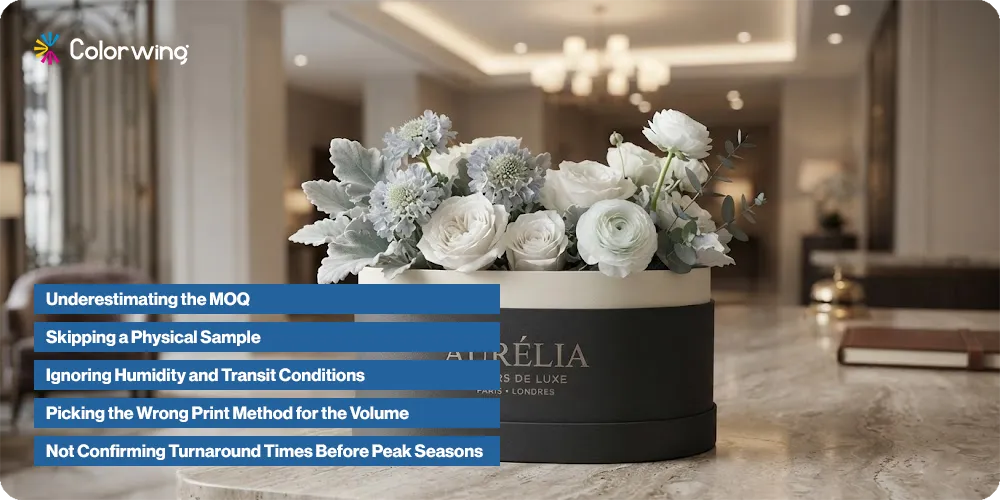
It can be easy to make a mistake when ordering custom bloom box packaging. Even seasoned florists waste thousands of dollars on ruined custom orders. Make sure you don't make these mistakes when buying your custom bloom boxes.
Underestimating the MOQ
There are many times when florists design a beautiful box only to find that the factory requires an order of 5,000 pieces. It is always a good idea to check with the flower box manufacturer about their strict minimums before spending time designing.
Skipping a Physical Sample
Never order thousands of custom boxes based on a digital picture. You must test a physical sample with actual wet flowers to check the structural strength.
Ignoring Humidity and Transit Conditions
Florists forget that boxes sit in humid delivery trucks. If you choose a cheap paperboard, the humidity will warp the box before it reaches the buyer.
Picking the Wrong Print Method for the Volume
You can ruin your budget by paying for expensive offset printing setup costs on a tiny order. Print methods should be matched to the total order size.
Not Confirming Turnaround Times Before Peak Seasons
It can be extremely busy in factories before Valentine's Day and Mother's Day. The packaging you ordered in late January won't arrive on time. Three months in advance is the best time to order holiday packaging.
How to Choose the Right Custom Bloom Box Supplier?
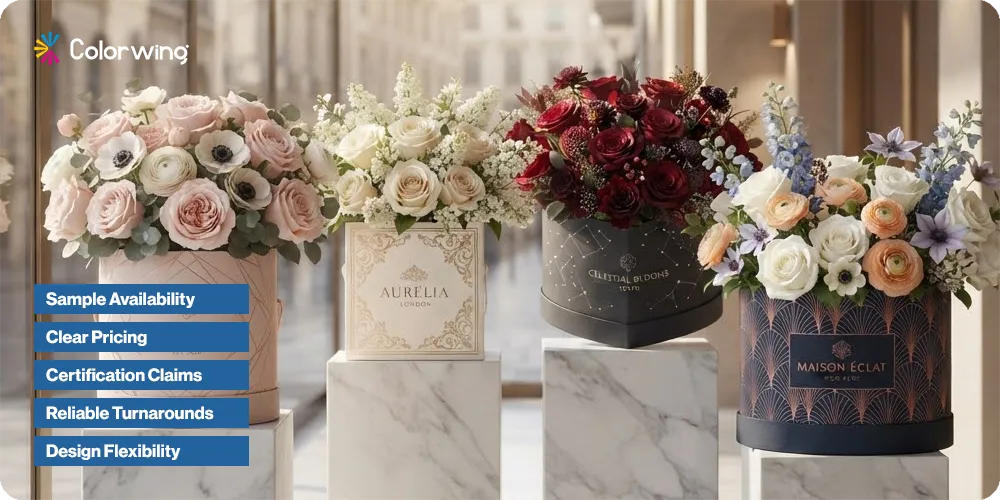
A great bloom box design is worthless without a reliable manufacturer. Subpar manufacturing destroys your profits and damages your brand reputation. Do a complete research for finding a trustworthy flower box manufacturer. They will guide you towards the right materials and warn you if a design will fail during shipping.
Sample Availability: Do they offer unprinted structural samples to test?
Clear Pricing: Do they show all fees, including shipping and die-cutting?
Certification Claims: Can they prove their materials are truly FSC certified?
Reliable Turnarounds: Do they guarantee specific delivery dates in writing?
Design Flexibility: Will they adjust the structural design to fit your specific vases?
Prior to giving your budget, you should evaluate them carefully. Don't let hidden setup fees ruin your experience with flower boxes.
ColorWing is the premier US packaging supplier for floral businesses. With us, you'll receive free design assistance, eco-friendly materials, and fast, free shipping. Now you can see 3D samples of your arrangements to ensure the perfect presentation for your brand.

Emily Chris Kieran
Meet Emily Chris Kieran, a seasoned packaging industry writer with 7+ years of experience in the printing and packaging sector based in Texas. With a keen eye for color and a passion for data-driven insights, Emily crafts compelling content strategies that explore the intricacies of packaging and printing. She possesses in-depth knowledge of the industry's dynamics, staying up-to-date on the latest trends and technologies. When she's not delving into industry trends, you can find her unwinding on the golf course, where she finds inspiration and clarity. With a love for polo and a knack for storytelling, Emily brings a unique perspective to the world of packaging, illuminating fascinating facts and trends that inform and engage.