

*2 mins read
8 Essential Elements of Custom Dispenser Boxes That Actually Sell
Publish Date
March 03, 2026
Written by
Emily Chris Kieran
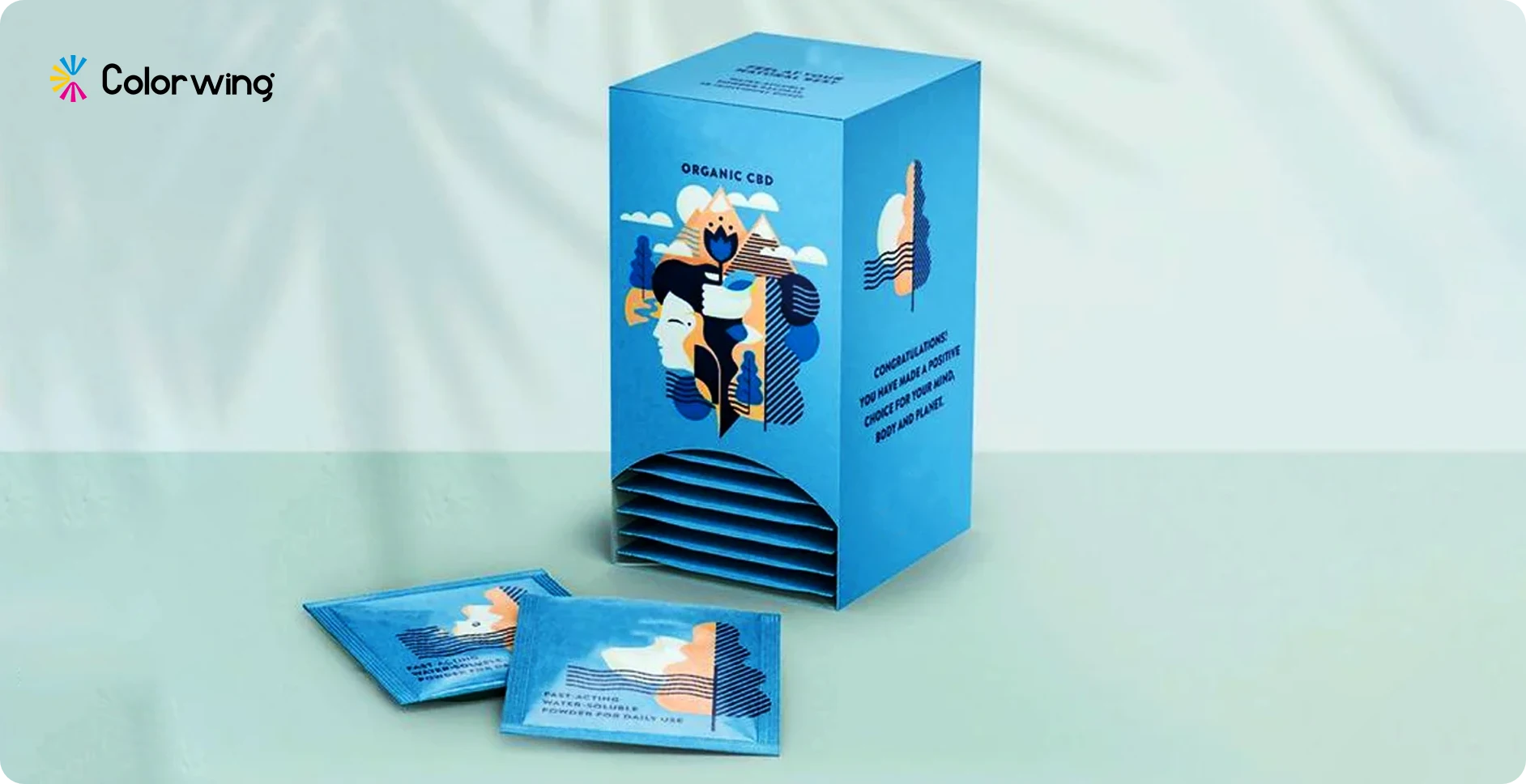
Custom dispenser boxes are unsightly on a counter, yet they silently perform some of the most difficult tasks in the retail industry. They sort loose or small products, manage the dispensation of products, secure your inventory, and retell your brand story no fewer than once a time each time someone reaches in to get only one more. These boxes reduce waste, accelerate service, and maximize sell-through when the structure, materials, and graphics are considered across all types of pharmacies, convenience stores, bakeries, cosmetic aisles, vape counters, and office supply shelves.
When you get started with ColorWing, we’ve got the potential for creating the most critical components of custom dispenser boxes, which will involve providing the companies with packaging that not only contains the product but also contributes to the functioning, merchandising, and customer retention in the long term.
How do these 8 Elements Work Together for Better Dispenser Boxes?
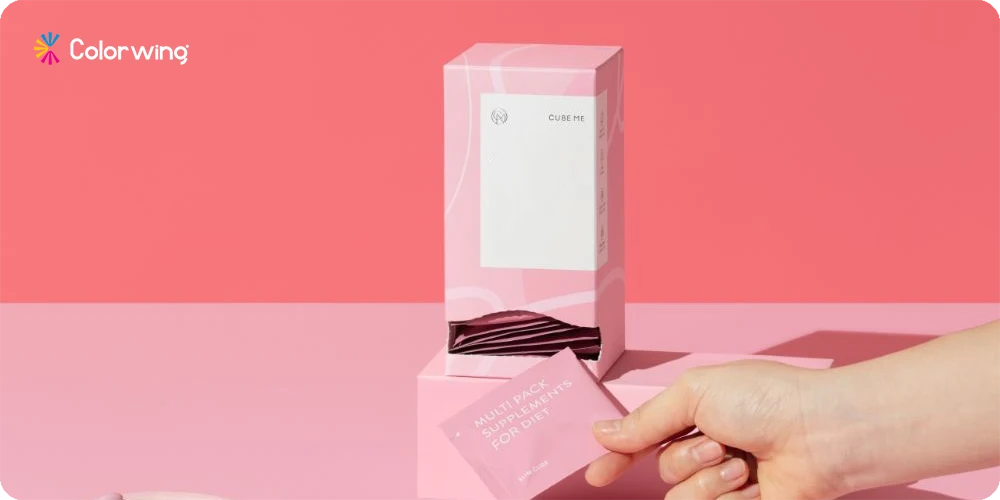
When you design custom dispenser boxes around these eight elements below, and structure, material strength, dispensing mechanism, branding, information layout, operational ease, protection, and strategic flexibility, you move beyond “just a box” and into a quiet but powerful sales tool.
1. Fitting Structure Design to the Product And The Shelf
The first is the structure, which is essential. There must be a dispenser box that fits your product and your shelf space equally well. The product form is the beginning of a good design. Each sachet, stick pack, blister card, tube, gum sleeve, vial, and mini cartons behave differently during stacking and dispensing. Tall, skinny goods usually require a vertical or gravity-feed layout, and flat sachets work better in a low, wide mouth, allowing them to slide forward without rolling.
The goods' location on the shelf and the product's shape are important. Dispensers placed on countertops, in point-of-sale units, on pharmacy shelves, and at back bars must comply with height, depth, and footprint restrictions. A box that is too tall will be in the way or knocked over. Deep enough, and it is hanging off the shelf. Wider would waste prime real estate that could have stocked more SKUs.
An engineered structure provides answers to three useful questions:
Is the box easy to load without jamming or tearing?
Is it a clean emptying dispense?
Does it fit snugly in the areas where it will be used in practice?
When these answers are yes, the structure falls apart, and you are back to your product.
2. Choosing Materials For Dispenser Boxes With Precision
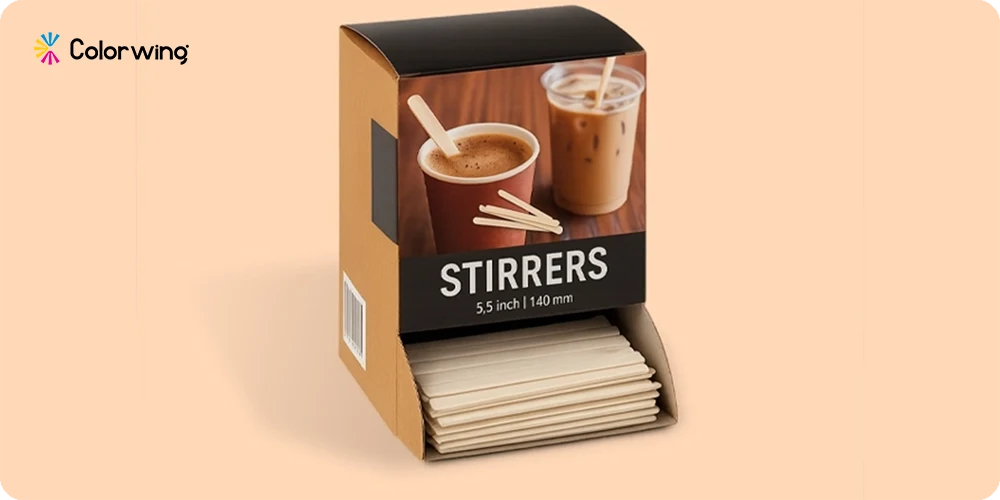
The second is the choice and thickness of materials. Dispenser boxes are not cartons that are opened once and left unattended; they are bumped, refilled, and handled throughout their life cycle.
The upright walls are made rigid enough to remain square as the units are pulled off the opening by heavier calipers of SBS, coated kraft or recycled board. Micro-flute or E-flute may be used on heavier or higher-value objects, as it provides an extra layer of strength without making the box appear bulky. You can get to know What are dispenser boxes? Its types and benefits so that easy dispensing of products is handled with care.
The most sensitive one is the dispensing mouth. Each pulling pulls the packaging along that edge. When it is excessively thin or soft, the mouth will tear or shred, and the box will become a crude hole rather than an opening. Localized lamination around the mouth, clever folds, or reinforced double-wall sections can significantly enhance durability without increasing the total material in the system.
The decision on selecting the appropriate board can be divided into three aspects: product weight, handling conditions, and budget. When these match, you end up with a dispenser that is firm in the hand, maintains its shape during transit, and remains presentable until the unit is out of the box.
3. An Automated Dispensing System Streamlining Process
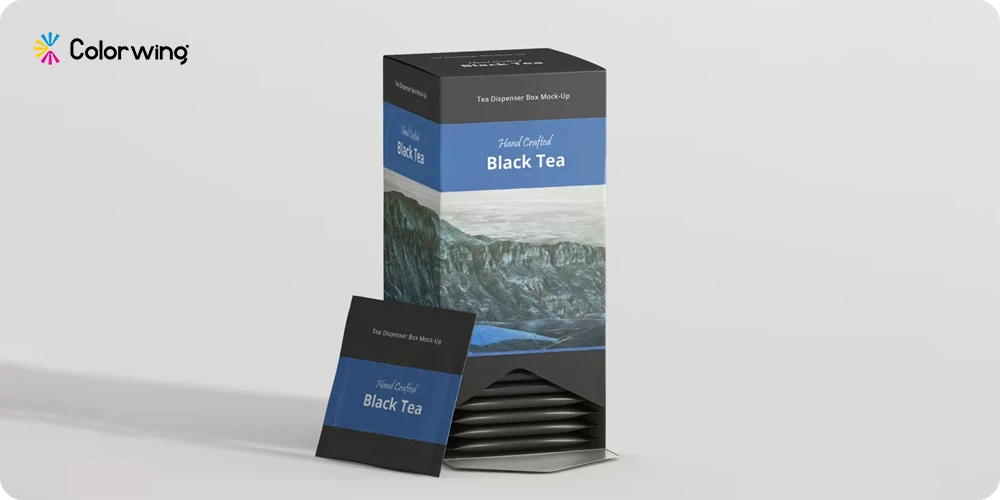
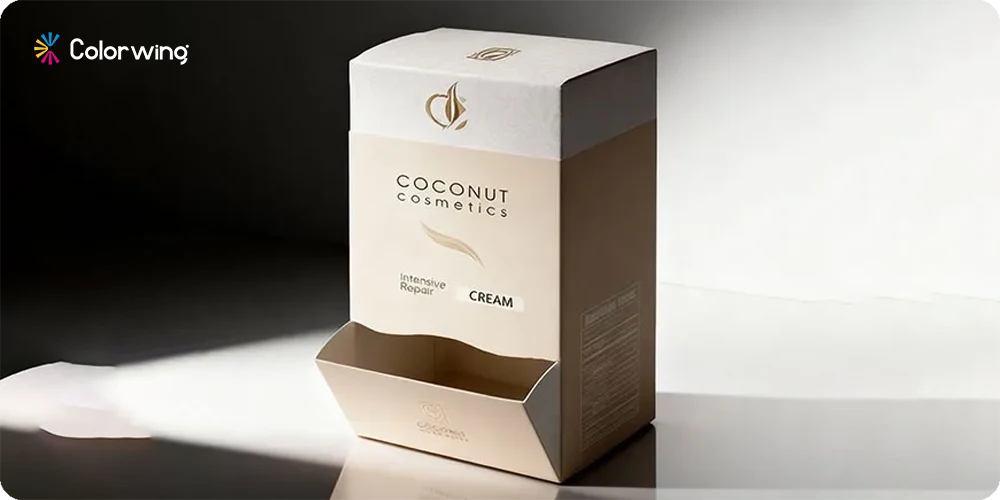
The third component is the dispensing mechanism itself. That is where the box is given its name. The design of a powerful dispenser allows the user to make a single, easy motion to receive one unit, then repeat with minimal effort. There is a place for features such as gravity-feed, tear-away, perforated, and slide-out drawers, as well as roll-feed slots, but they must be tailored to the product they serve.
Easy Dispensing of Contents
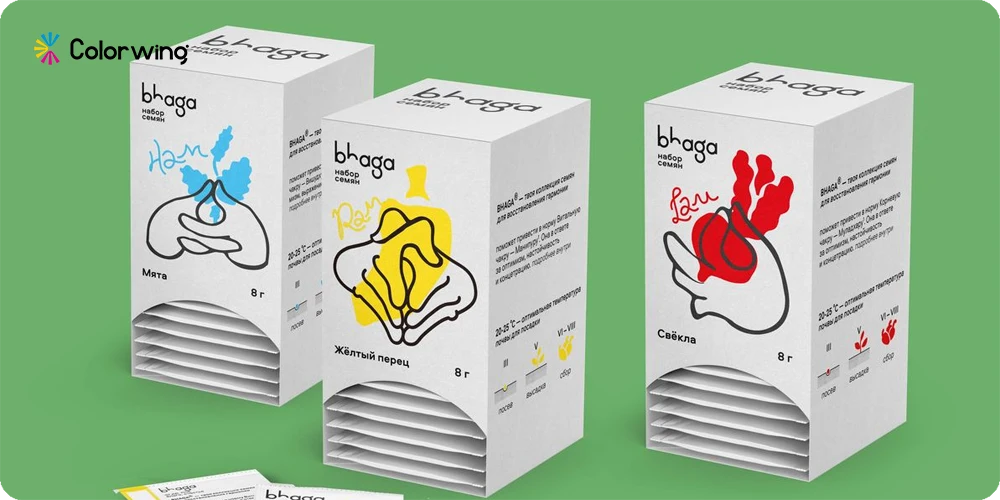
Gravity-feed front suits well with sachets, tissues, wipes, and the narrow cartons. The front panel unzips via a controlled break, exposing the mouth's curve. The product is positioned at its back and slides on its own weight. You will experience bridging and jams when the angle is incorrect, and you will see every new unit come into view smoothly when the angle is correct.
Slide or drawer systems are appropriate for high-value or sensitive products. An inner tray moves forward, providing controlled access while most of the product remains protected from dust and light. For rolled or sheeted items, the mouth often features a serrated edge or a perforated line so that each piece can be pulled off.
Testing is crucial for the dispenser mechanism, which should be tested with full, half-full, and almost full boxes. And when it can only operate at one fill level, it is not prepared. When it is in operation throughout the cycle, you have a mechanism that will be natural to everyday operations.
4. Branding and Shelf Presence That Equate to the Product Role

The fourth key component is the way the dispenser makes your brand known. A dispenser box is a mini display, but it will typically cover less space than an actual retail carton, causing each square inch to count.
The upper side represents the primary message. Brand name, product name, and key benefit must be visible at a short distance, sometimes in a busy counter. The blocks of color are strong, the typography is clear, and a simple icon or photo indicates the category (mints, gum, sachets, wipes, vapes, shots, samples) so the shopper can instantly know what’s inside.
The top panel is more important than most teams realize. Shelves are crowded, and the top is often the only plane visible. Retaining the logo, taste, or version, and possibly a simple description at the top, will ensure they do not lose the product even in narrow vertical stacking.
The side panels are utilised as secondary information powerplay flavor indicators, strength levels, occasions of use, or reorder codes. In a wholesale and backroom arrangement, the sides are not always visible to staff when they are reaching into cartons. Consistent side branding also makes it easier to locate the correct SKU without having to scan small labels. Branding around the mouth of dispensing is a very delicate yet potent instrument. Whenever anyone touches in, the eye will be drawn to that area. These minor brand marks, taglines, or color cues support recognition with every touch, creating cumulative brand impressions.
5. Custom Dispenser Boxes Information Design
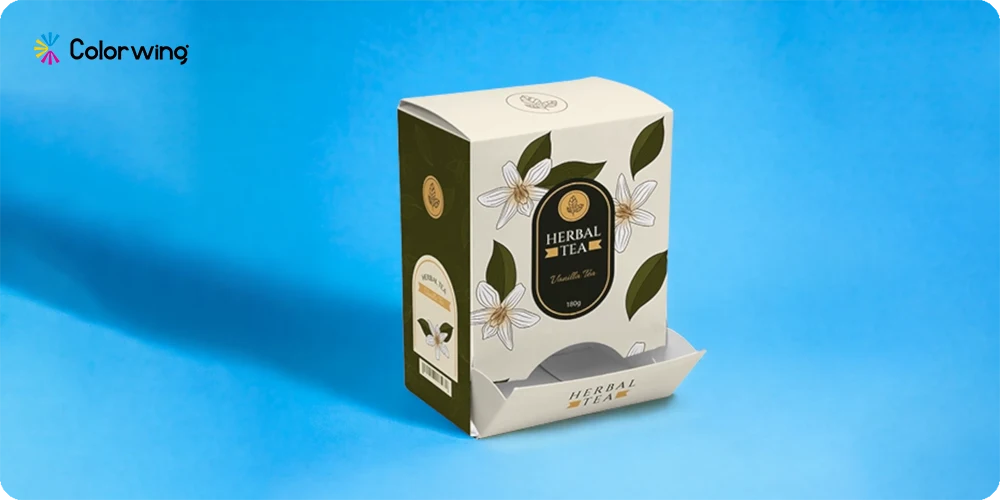
When it’s about dispenser boxes, information design is the fifth component. Dispenser boxes typically contain products that must comply with standardized labeling requirements across healthcare, cosmetics, food, and other regulated categories.
Sorting Out Product Dispensing
Custom dispenser boxes are unsightly on a counter, yet they silently perform some of the most difficult tasks in the retail industry. They sort loose or small products, manage the dispensation of products, secure your inventory, and retell your brand story no fewer than once a time each time someone reaches in to get only one more.
These boxes reduce waste, accelerate service, and maximize sell-through when the structure, materials, and graphics are considered across pharmacies, convenience stores, bakeries, cosmetic aisles, vape counters, and office supply shelves. These customizable dispenser boxes are also popular in the pharmaceutical packaging industry.
As ColorWing has the capability to create the most critical components of custom dispenser boxes will involve providing the companies with packaging that not only contains the product but also contributes to the functioning, merchandising, and customer retention in the long term.
6. Assembly, Loading, and Refill Ease for Operators
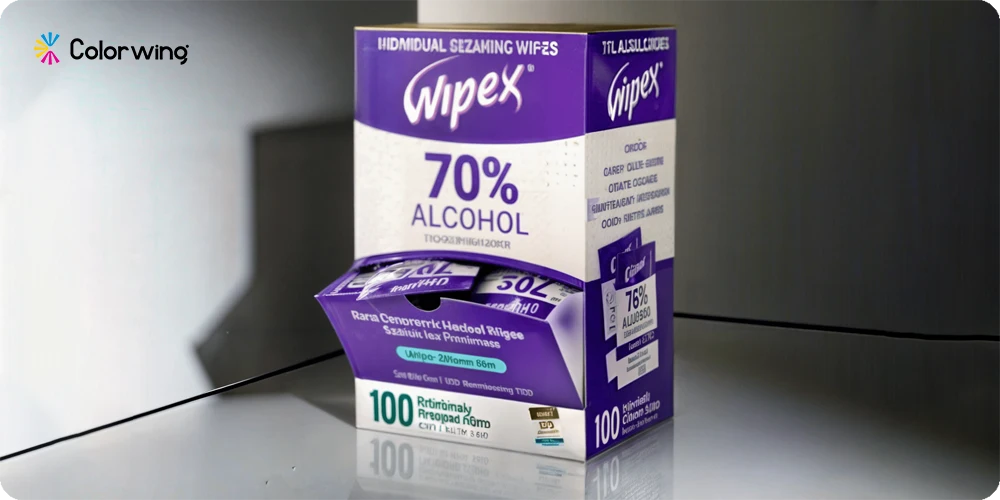
The sixth essential element focuses on the people who assemble, load, and replenish these boxes. A dispenser box that is frustrating to set up will cost time, create errors, and quietly erode adoption.
Assembling For The Retail Shelves
Assembly should follow a logical, minimal‑step sequence. Glue points, lock tabs, and folds must be clearly defined so that temporary or new staff can build the box quickly. A design that stands up in a few intuitive moves beats one that requires diagrams and trial runs.
Loading must match how your product arrives at the packing station. If units come stacked in a particular direction, the box opening should accept that stack without twisting or flipping. For automated or semi‑automated lines, shapes and wide, snag‑free entries are worth prioritizing.
When it’s about refilling of dispenser boxes, it can be a strategic choice. As some of the dispenser boxes are yet single-use, once empty, the entire unit stays recyclable. Others, especially in back‑of‑house or professional settings, are designed to be topped up from bulk. If refilling is part of your model, the design should support safe, clean access without breaking the structure. For ColorWing, emphasizing ease of assembly and loading will resonate with B2B buyers who track labor minutes per unit and recognize that a small structural improvement can save many hours over a production run.
7. Protective and Functional Enhancements That Match the Environment
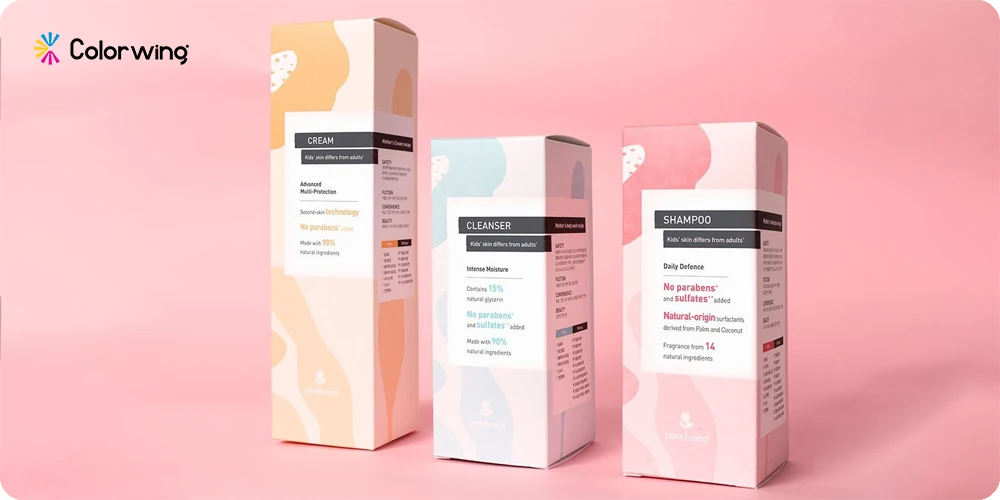
The seventh element covers protection and function beyond basic strength. Dispenser boxes live in real environments, not studio photos, and those environments can be harsh.
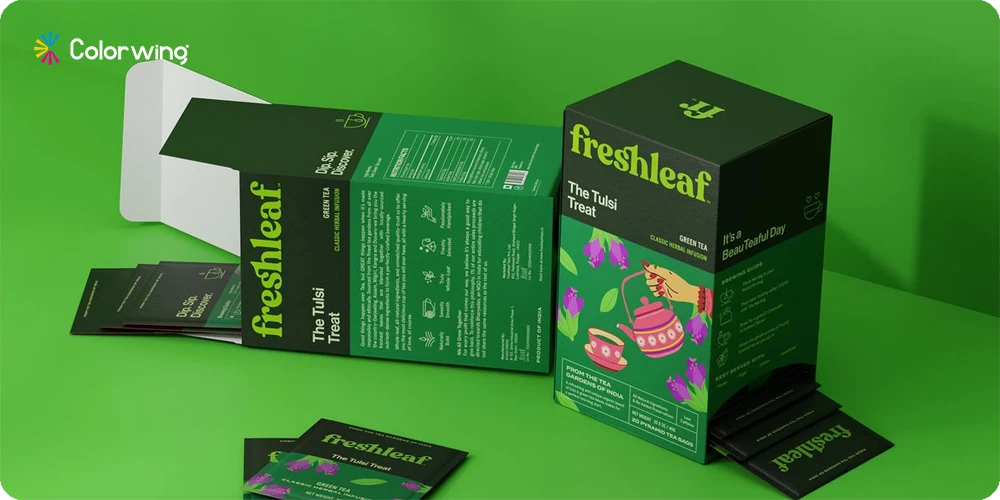
In retail boxes get pushed, pulled, and brushed against by customers, carts, and cleaning equipment. Light-scuff-resistant coatings protect printed graphics and keep the box looking fresh throughout its life. In foodservice or personal care, moisture and grease may be present; choosing coatings and boards that resist spotting or curling keeps the display professional.
Functionally, a dispenser may require cutouts or windows to keep the product visible without opening. Windows can be left open or covered with film, depending on hygiene and dust concerns. Thoughtfully placed finger notches help users pull out the first few units, which can otherwise be hard to grasp while the box is full.
Each of these enhancements should be chosen with the specific environment in mind. Pharmacy counters, coffee bars, reception desks, gas stations, trade show booths, or clinic backrooms all demand different levels of protection and display finesse.
Persistence For Product Safety To The Core
Tamper‑evident features can be critical in some categories. Perforated tear strips, breakaway tabs, or labels that must be broken to open the mouth give staff and customers confidence that the contents have not been disturbed. For higher‑value products, integrating subtle locking mechanisms or pairing the dispenser with outer security packaging can deter casual theft.
8. Sustainability, Cost, and Flexibility That Support Growth
When it’s about the 8th and the essential thing, everything together at a strategic level. The dispenser boxes balance sustainability expectations. Cost realities and flexibility support the evolution of product lines.
On the sustainability front, brands are increasingly choosing recycled-content boards, responsibly sourced fibers, and designs that minimize waste. Right‑sizing structures to closely match product dimensions reduces material use and shipping volume. Avoiding unnecessary laminates or hard‑to‑separate composites can make recycling more feasible where infrastructure exists.
What Makes Dispenser Box Elements Standout?
The cost exceeds the unit price of a box. Board grade, printing passes, finishing steps, and assembly time all affect total cost. Standardizing footprints and structures across multiple SKUs allows you to scale artwork changes without constantly reinventing the die‑line. Using CMYK for most designs and reserving foils and choosing foil stamping or specialty finishes for flagship lines can keep budgets in line while still delivering premium touches where they matter most.
Flexibility means your dispenser concept can scale with your product range. A strong base structure and visual system can support new flavors, strengths, or formats with minor artwork tweaks. That reduces lead times, eases inventory planning, and makes it simpler to test new ideas without committing to entirely new packaging systems.
For ColorWing, dispenser boxes built with these long‑term considerations become more than one campaign’s packaging. They become a repeatable, scalable asset that grows alongside the brand.
ColorWing: Your Exceptional Partner For Dispenser Boxes
Customers receive a package that is easy to use, professional-looking, and keeps the product organized. Retailers and staff handle a box that assembles quickly, loads cleanly, and holds up over time. Brands get consistent on‑shelf presence, reliable performance, and a platform they can build on. That combination is what makes dispenser boxes worth the investment. Thoughtfully designed, they do not simply hold product. They help it move. Get started with ColorWing remarkably to ensure you get smooth imprinting for dispenser boxes.

Emily Chris Kieran
Meet Emily Chris Kieran, a seasoned packaging industry writer with 7+ years of experience in the printing and packaging sector based in Texas. With a keen eye for color and a passion for data-driven insights, Emily crafts compelling content strategies that explore the intricacies of packaging and printing. She possesses in-depth knowledge of the industry's dynamics, staying up-to-date on the latest trends and technologies. When she's not delving into industry trends, you can find her unwinding on the golf course, where she finds inspiration and clarity. With a love for polo and a knack for storytelling, Emily brings a unique perspective to the world of packaging, illuminating fascinating facts and trends that inform and engage.