

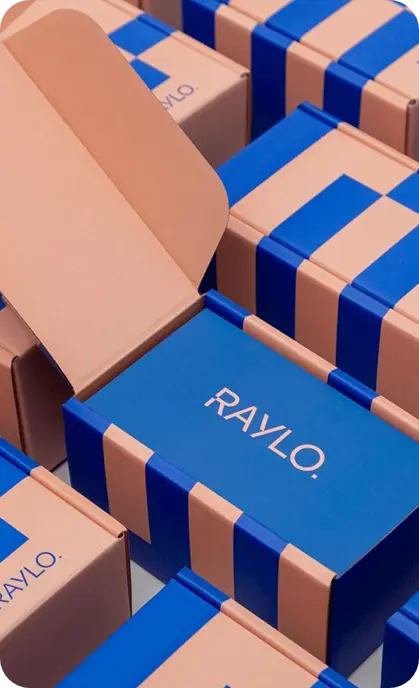
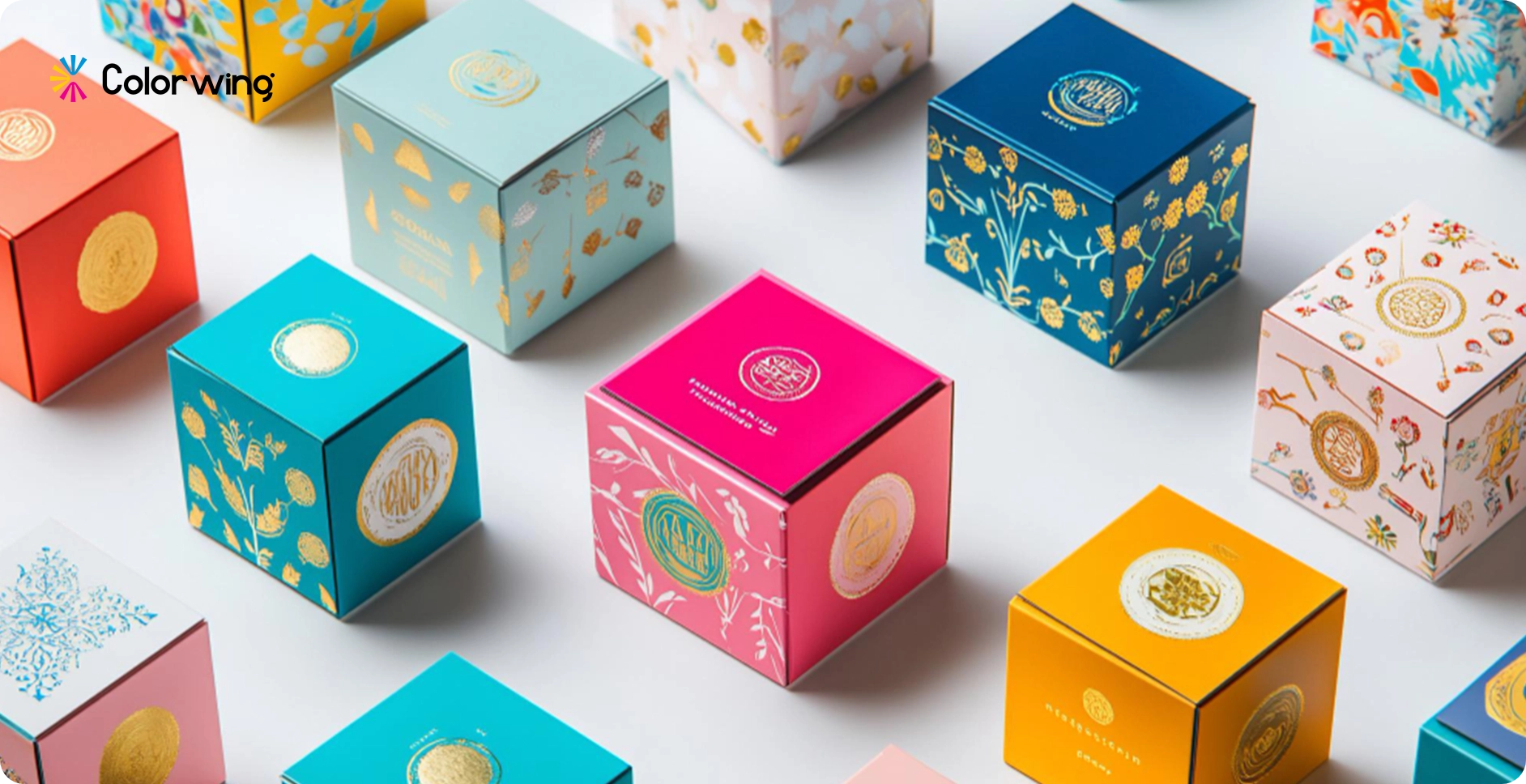
*2 mins read
How Startups Can Compete With Big Brands Using Custom Folding Cartons
Publish Date
June 04, 2026
Written by
Emily Chris Kieran
Big brands can lean on multiple things when it comes to making an impact. Like heavy advertising, broad distribution, and long histories. This is something that startups don’t possess.
For an emerging brand, the moment someone sees your product on a shelf or unboxes it at home is often the first and only chance to make an impression.
This is where a custom folding carton plays a significant role in leaving a great impression. It explains what the product is, why it matters, and why the customer should trust it, all without you being there personally to promote your brand and product. For a startup, it can be said that packaging is a key part of promoting your brand to customers.
At ColorWing, we understand this need for effective packaging perfectly. Being a packaging supplier that works with growing brands, we can help you turn folding cartons into a tool that supports both sales and operations instead of just being a “standard box.”
What Makes Folding Cartons Startup Friendly
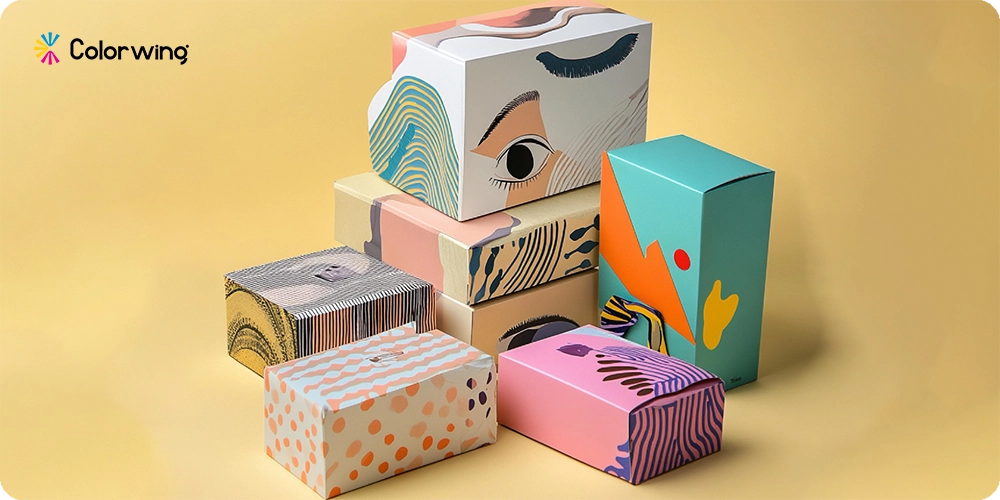
A folding carton is a printed paperboard box that ships flat and pops into shape upon folding. It is common in categories like cosmetics, food, supplements, and small electronics because it is light, strong enough for the shelf, and easy to print on.
Folding cartons suit startups because they:
Use a familiar, recyclable paper-based material that retailers and customers already understand.
Arrive flat, so they take up less storage space, which matters when you are working from a small warehouse or shared unit.
Can be customized in size and design while staying affordable, especially at low to medium order volumes.
This mix of flexibility and practicality lets startups build professional-looking packaging without moving straight into very complex or expensive formats.
Leveling Up the Shelf Game – Get Looks That Makes You Stand Tall Next To Big Brands
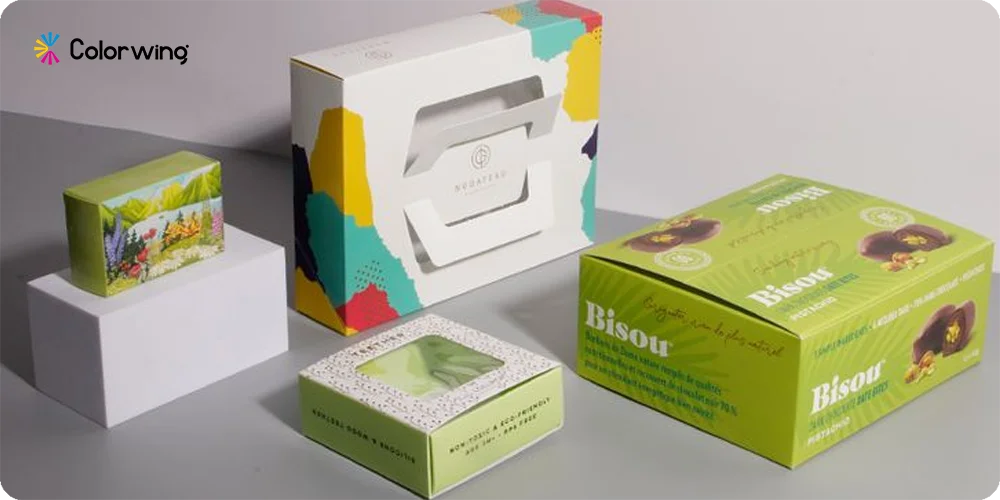
On a shelf, customers compare products in seconds. They see shapes, colors, short messages, and hints of quality. A plain pack or a weak label can make your product easy to ignore, even if what is inside is great.
A well planned folding carton gives you:
A front panel for a clear product name and one main benefit that customers can see from a distance.
Side panels for quick facts, icons, and claims that build trust without overwhelming the front.
A back panel for your story, directions, ingredients, and any extra details that matter to more careful readers.
Instead of trying to copy complex big brand layouts, startups can win by being clearer and more focused. That clarity itself feels premium and confident.
In Perspective of Onlookers – Plain vs Custom Folding Carton
Aspect | Plain or minimal packaging | Custom folding carton (startup) |
First impression | Easy to overlook, looks basic or generic | Feels like a “real” brand product. |
Message clarity | Often cramped on a small label | One main benefit clearly visible on the front. |
Trust and quality feel | Can feel temporary or low value | Feels considered and reliable, better first impression. |
Shelf presence | Blends into the background | Color and structure help it stand out among larger brands. |
Folding cartons give you the layout tools big brands use, even if your marketing budget is much smaller.
Smart Design Tips for Folding Cartons That Startups Can Use Right Away
You do not need a huge design team to get folding cartons right. A few simple choices can make your packaging look sharp and stay easy to manage.
Pick one core carton style
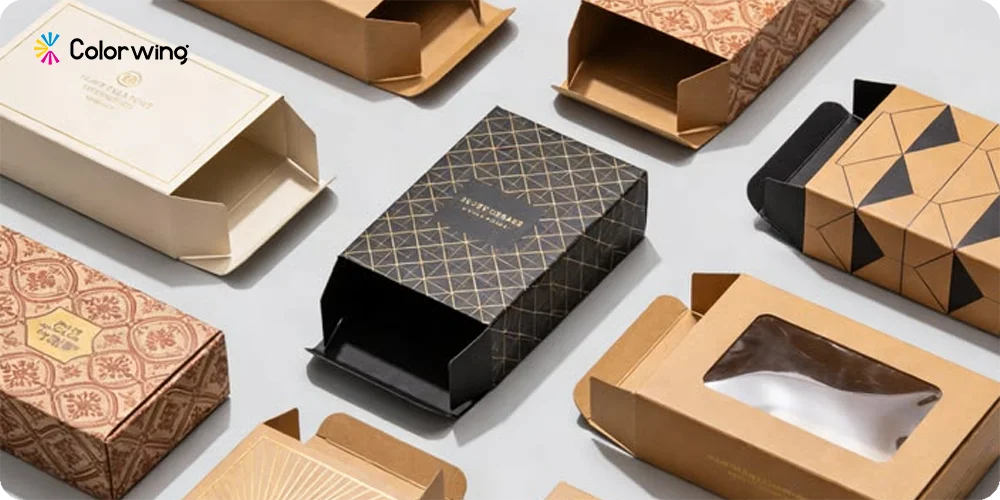
Choose a straightforward style such as a straight tuck or reverse tuck carton and use that as your base across products.
This helps you:
Keep dieline and tooling costs under control.
Make packing faster, since your team learns one structure.
Scale later by adding more SKUs without redesigning everything.
At ColorWing, our experts can suggest a starter style that fits your category and your filling process, so you do not have to guess what works on the packing line.
Keep sizes fit to the product
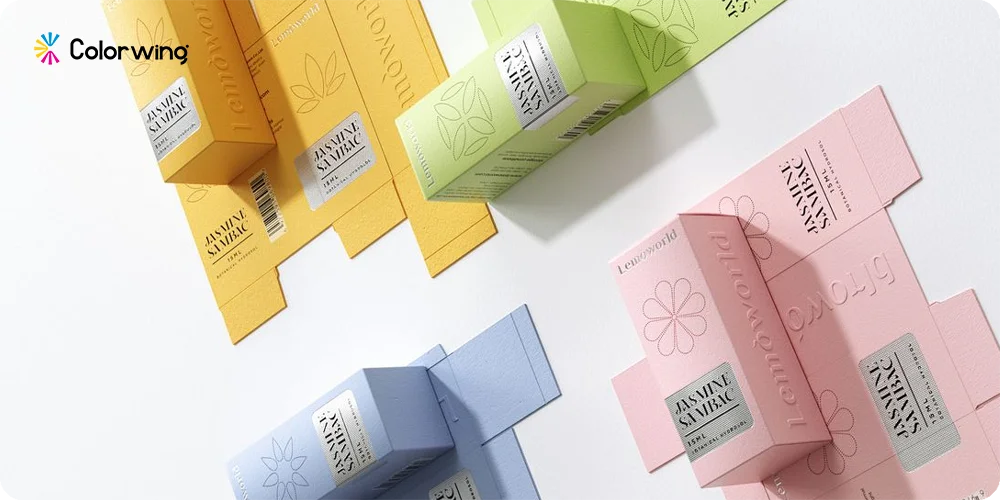
Oversized cartons waste material, increase shipping volume, and can look misleading. Instead, aim for cartons that feel snug around the bottle, jar, or inner pack.
This approach:
Reduces material usage which ultimately lowers cost per unit.
Makes the product feel more solid and less “rattly” in the box.
Helps the carton store and ship more efficiently in outer cases.
Use color and typography instead of expensive extras
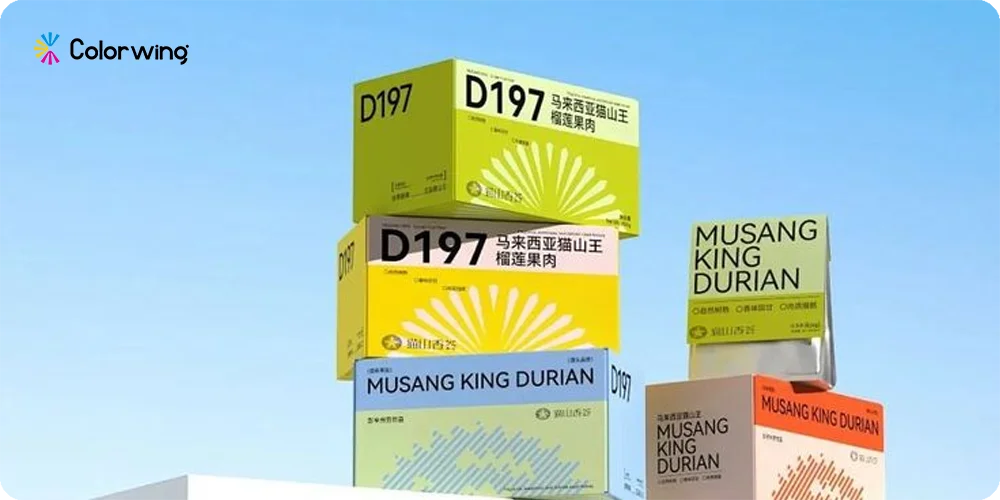
At early stages, focus on:
One strong brand color or simple color system across flavors or variants.
Readable fonts and clear hierarchy, so key information is easy to find.
You can always add higher cost finishes later. In the beginning, a clean, readable design on a neat folding carton already pushes you close to big brand presentation.
Competing On Perceived Quality without Overspending
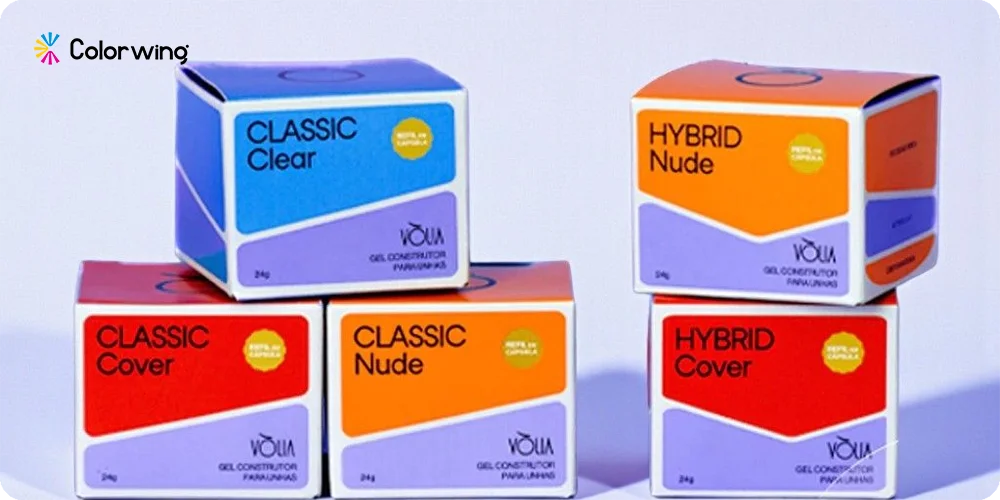
Big brands often use heavy embellishments. Startups do not need to match every effect to feel high quality. Perceived quality comes from consistency, cleanliness, and how the packaging behaves in the hand.
Custom folding cartons can raise perceived value with moves like:
Choosing a slightly thicker board that feels less flimsy when picked up.
Using a smooth matte or satin coating so the surface feels pleasant and reduces glare.
Keeping print sharp and colors consistent across batches, which says “we pay attention.”
You can then reserve pricier elements like foil, spot gloss, or embossing for your hero product or a special edition, instead of putting them everywhere. This lets you compete visually while protecting your budget.
Using Folding Cartons to Tell a Profound Brand Story
One advantage startups have is that their story is fresh and close to the founder. Folding cartons have enough space to share that story in small, clear pieces.
For example, you can use:
A short origin line on the side panel, such as why the product exists or who it is for.
A quick mission or promise that explains what makes you different, in one or two simple sentences.
A row of trust signals like certifications, key ingredients, or social proof icons that reassure new customers without long paragraphs.
ColorWing can help you plan where each element sits so the carton feels calm instead of crowded. That layout work matters because messy packaging can make even a good story feel confusing.
Keeping Costs under Control While You Scale
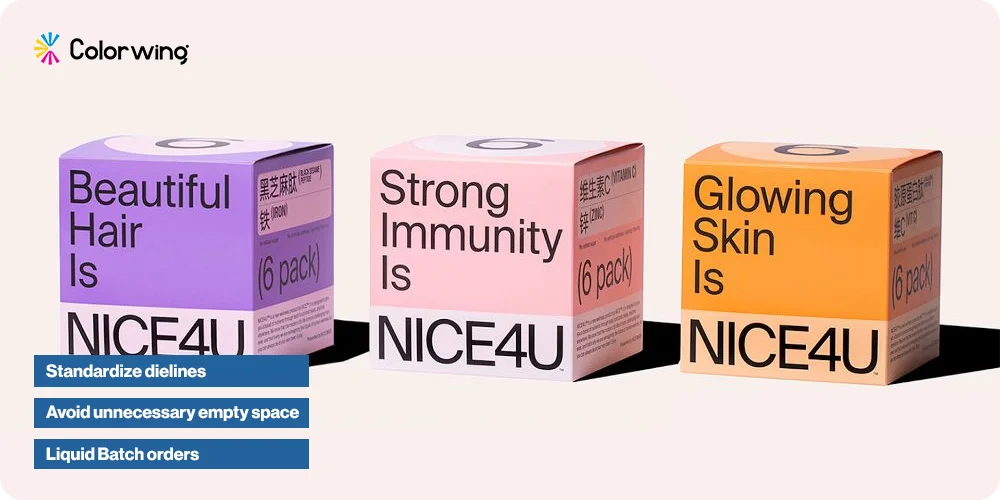
A common fear for startups is that nicer packaging will lock them into high costs. Folding cartons give you several levers you can adjust as you grow.
Practical ways to manage cost:
Standardize dielines across multiple products so you only change artwork, not structure.
Avoid unnecessary empty space inside the carton, which wastes board and increases outer shipping costs.
Batch orders smartly by printing several related SKUs together when possible, especially if they share colors or finishes.
Working with a supplier that is comfortable with changing volumes and new SKUs is important here. Many large converters prefer huge, steady orders. Startups benefit more from a partner, like ColorWing, that expects adjustments and helps plan around them.
Quick Comparison – How Folding Cartons Help Startups Close the Gap
Here is a simple view of how custom folding cartons change the game for a young brand.
Factor | Basic or no carton | Custom folding carton with ColorWing-style approach |
Shelf impact | Low, product can blend into background | High, clear branding on all panels. |
Perceived quality | May feel bare or low-budget | Feels “retail ready” and considered. |
Space for information | Limited label area | Enough room for benefits, story, and compliance info. |
Cost control options | Few tools beyond label changes | Several levers: size, board, print method, finishes. |
Operational simplicity | Mixed packaging styles can cause friction | One core structure across SKUs keeps packing simple. |
Brand consistency | Harder to create a family look | Easy to keep a visual system as the range grows. |
Folding cartons do not replace a good product, but they do help customers notice and trust that product sooner than a packaging that is subpar.
How ColorWing Supports Startups with Custom Folding Cartons
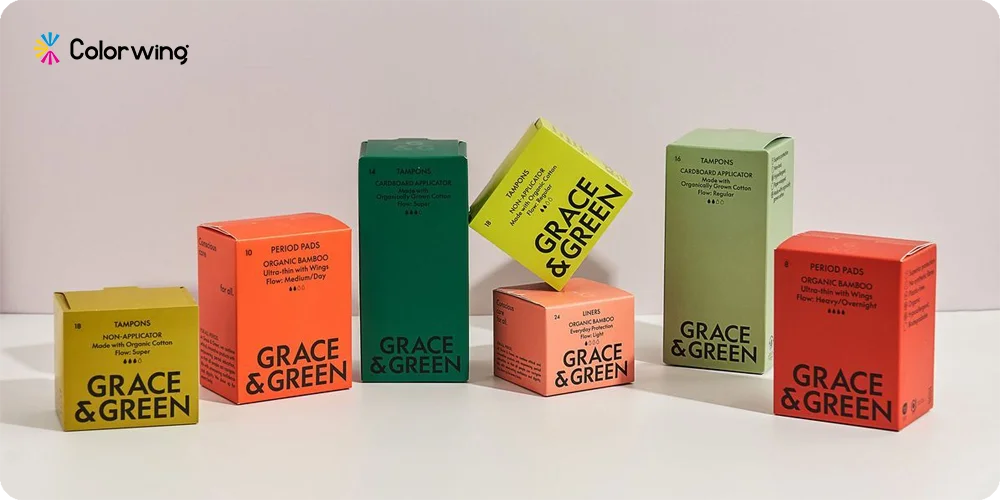
For a startup, the right packaging partner is as important as the right box. ColorWing focuses on helping growing brands get folding cartons that look professional and still make sense at early volumes.
With ColorWing you can:
Start with realistic minimum quantities that fit your launch or test markets, not enterprise-sized orders.
Get help with carton sizing and dielines so your product fits well and your board usage stays efficient.
Choose print and finishing options that match your current stage, from clean core cartons to more premium executions as you scale.
Because ColorWing works with brands that are still in their building phase, the advice you get is grounded in what smaller teams can actually implement.
Final Thoughts
You cannot control how much your biggest competitor spends on ads, but you can control how your product looks and feels when a customer sees it for the first time. Custom folding cartons give startups a practical way to stand next to big brands with clear messaging, a strong shelf presence, and packaging that feels intentional rather than improvised.
If you want packaging that helps you compete with your competitors without holding anything back? ColorWing is a specialized supplier that can help you design and produce customized folding cartons that match your product, your budget, and your business growth plans. Share a few of your key SKUs and where you plan to sell them, and our capable experts will assist you to design smart, startup-ready carton structures and print options that are sure to make your brand look ready for the shelf display from day one.
Frequently Asked Questions about Folding Cartons for Startups
Are custom folding cartons too expensive for early-stage startups?
Not necessarily. Costs depend on carton size, board type, print method, and order quantity. By standardizing one core structure and keeping finishes simple at first, startups can keep unit costs manageable while still getting a big upgrade in perceived quality.
How many different carton sizes should a startup use?
Most young brands are better off starting with one or two core carton sizes that cover several SKUs. This keeps tooling, inventory, and packing simpler and makes it easier to order in efficient batches.
Can folding cartons work for both online and retail sales?
Yes. Folding cartons protect the product, present it clearly in photos, and provide a good unboxing feel for e-commerce, while also giving strong shelf presence in physical stores. Choosing sturdy boards and sensible dimensions helps them survive shipping and still look good on arrival.
Do I need premium finishes like foil to compete with big brands?
Premium finishes can help certain SKUs stand out, but they are not required to look professional. Many successful startups use clean design, good color choices, and solid board as their base, then add foil, embossing, or spot gloss later for hero products or special runs.
How does ColorWing handle changing designs for growing startups?
Because startups adjust formulas, names, and visuals more often, we support refreshed artwork on existing structures and can advise when it is time to move to new sizes or finishes. This lets you evolve your brand without throwing away your whole packaging system each time.
Are folding cartons a good choice for sustainable packaging goals?
Paperboard folding cartons are widely accepted in recycling streams, and many board options use recycled content. By choosing simple coatings and right-sized designs, startups can align with sustainability expectations in a way that customers and retailers recognize.

Emily Chris Kieran
Meet Emily Chris Kieran, a seasoned packaging industry writer with 7+ years of experience in the printing and packaging sector based in Texas. With a keen eye for color and a passion for data-driven insights, Emily crafts compelling content strategies that explore the intricacies of packaging and printing. She possesses in-depth knowledge of the industry's dynamics, staying up-to-date on the latest trends and technologies. When she's not delving into industry trends, you can find her unwinding on the golf course, where she finds inspiration and clarity. With a love for polo and a knack for storytelling, Emily brings a unique perspective to the world of packaging, illuminating fascinating facts and trends that inform and engage.