


*2 mins read
Top 10 Packaging Mistakes Businesses Make (And How Folding Cartons Solve)
Publish Date
July 07, 2026
Written by
Emily Chris Kieran
Have you ever been caught in the perplexity of how a folding carton error can be very expensive to you? That is where we shall determine how to get a lot more out of the folding boxes. A significant number of companies lose clients and funds to unnecessary packaging errors in size, structure, design clarity, and sustainability, and folding cartons easily rectify the majority of the problems when planned early on. The packaging errors in the USA have been common because there are businesses that do not pay much attention to the folding boxes. The folding carton solutions, selected in an upright manner, can resolve hassles.
The tuck carton is flawless (your branding with an impeccable tuck carton can make your brand noticeable and appealing to people). You can prevent the mistakes of packing by planning your packaging game because this guide tells you how retail boxes are the solution to the game.
Why Folding Cartons Are the Backbone?

Even in situations where they are not the most vocal or conspicuous aspect of the brand, folding cartons lie in the middle of most successful packaging systems. They fill three of the most important needs simultaneously, which are protection, presentation and practicality in storage and shipping. One well-designed folding box can be shipped out of the production line to the warehouse, to the shelf, with no workarounds, and that is why so many USA brands use them as their default carton structure. Folding boxes are of nature, very popular to make your brand popular on the retail shelves to bring your brand to the core.
Mostly, the trusted folding carton suppliers will help you pick a retail box that predominantly helps your brand with the best material choices.
Folding cartons are constructed using repeatable standards, unlike improvised boxes or even ad-hoc mailers: dialed-in board grades, tested closures and flat shipping keep freight and warehouse costs at bay. They provide designers with large, dependable print panels, they provide operations teams with predictable performance and sustainability teams with a starting point of a paperboard-based and widely-recyclable billion-pound. When an organization needs to reduce the number of packaging errors, insufficient protection, perplexing design, inconsistent branding, wasteful void fill, it tends to tighten its folding carton program first, since a little improvement here will be felt in every SKU and every order. These cardboard boxes are in your stores, sell your goods to the masses, as attractive to the loiterer looking at you.
Mistake 1: Treating Functionality as an Afterthought
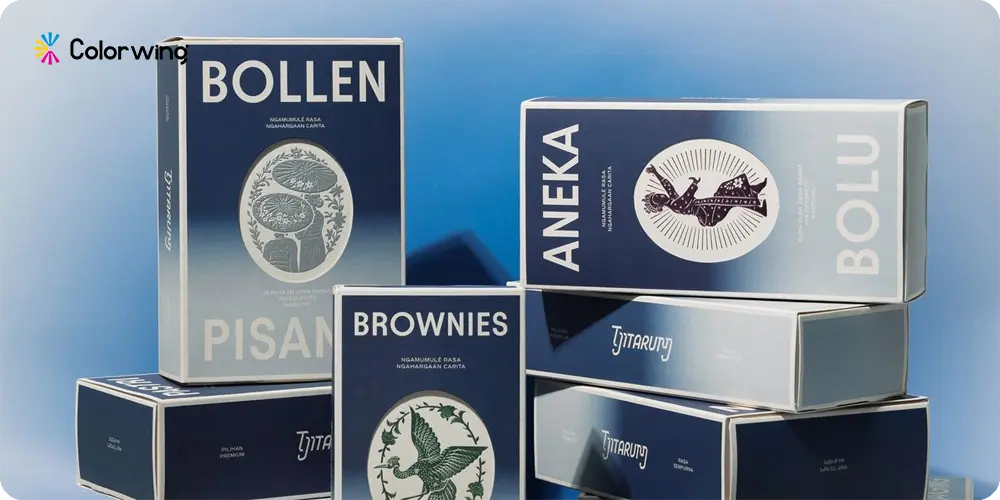
It is considered one of the most frequent packaging errors in the USA: a box will be found to be beautiful onscreen, but not in life: it collapses during shipping, is difficult to open, and does not even protect the item. Paperboard boxes also address it by providing you with dialed-in designs, whether it is a tuck-end or a crash-lock bottom, designed to be weight-engineered, With our folding carton solutions your brand will have bigger wins as fragility-engineered, and shipping-condition engineered boxes can protect delicate items.
When you fit a folding carton properly, you will not have to endure the overload of the void fill, damaged goods, and swollen freight expenses; all huge, leaking holes in the margin. Since cartons are shipped flat but form rigid shapes, they allow automation on the line and increase the rate of packing.
Mistake 2: Underestimating Design Clarity

An audible front panel, ten fonts, and a lack of a fixed hierarchy are still traditional packaging errors that get confusing to shoppers and end conversions. When the product name, benefit, and size are difficult to read on the spot, individuals ignore the product, irrespective of how good the formula contained is.
Folding cartons provide brands with generous and flat printing panels having clean typography, smart information hierarchy, and clear claims that can be easily scanned on shelves or online. Proper dieline planning ensures that you do not have text running into folds, text vanishing into flaps and regulatory copy squashed into corners that are not readable.
Mistake 3: Skipping Material Sustainability
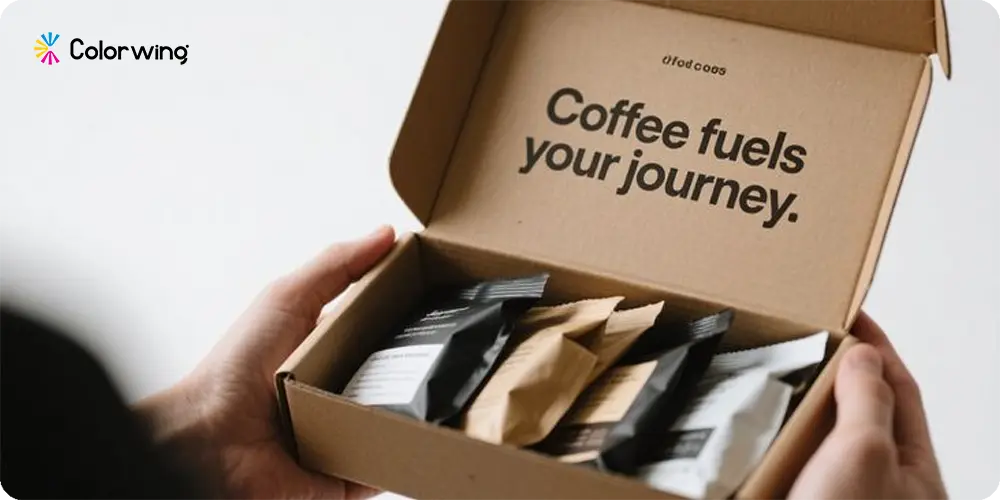
The other packaging error that businesses have committed is to assume that sustainability is a nice-to-have or, rather a must-have requirement. In the U.S., consumers are increasingly seeking recyclable or paper-based packaging options and punishing brands that continue to employ mixed and hard-to-recycle forms, which do not need to be so.
The paperboard used to construct folding cartons can be easily placed in existing recycling channels, and these cartons assist in FSC certification or comparable certification that customers are familiar with. Combined with water-based/ low-VOC inks, they allow you to demonstrate sustainability on-pack without compromising print quality or on-pack structural integrity.
Mistake 4: Accepting Poor Print Quality
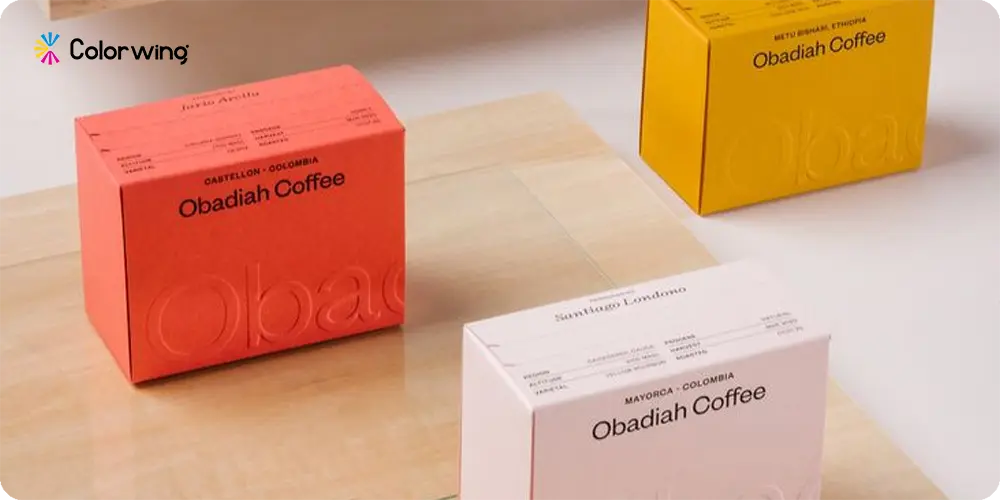
Poor logos, vague colors and banding are minor yet severe errors in packaging since they are interpreted by shoppers as cut-offs and economy. Any minor difference in color of batches can ruin brand confidence even on overcrowded shelves.
Offset, digital and specialty coatings are folded on cartons to a high degree, and it is therefore easier to maintain color standards between SKUs and reprints. The folding carton boxes may be printed with a complicated design to a simple one. Here, techniques such as spot UV, soft-touch or metallic inks are used to provide a perceived value without the need to incur the cost of a rigid box.
Mistake 5: Ignoring Structural Engineering

Some brands take the graphics and fail to carefully engineer the carton, resulting in bowing panels, tear-away hang-tabs, or inserts that fail to hold the product in place. It is one of the packaging errors that would manifest themselves in the form of returns, spoiled products, and exasperated retail partners.
Solution To The Problem
Cartons can fold under the light of creating the structure and the artwork simultaneously: inserts, partitions, and lockout solutions can be created on the same paper to be stable and easily unboxed. There is no need to reinvent the wheel every time because structural options are standardized (reverse tuck, auto-bottom, sleeve-and-tray, etc,) allowing you to solve complex packaging needs. Structural engineering is best matched when you know Length, Height, Width of a box as an exclusive packaging manufacturer we recommend choosing dimensions with ease.
Mistake 6: Overpacking and Wasting Space

Overpacking - excess layers, excess air, excessively huge boxes - increases the cost of their materials, storage, and freight, as well as frustrating the customer who now demands right-sized packages. It is also among the most observable packaging errors where individuals open and post them on social media.
Folding Box Comes In As Solution
Folding cartons may be designed to hug the product and reduce the dead space, void fill and the total cube on transit. You must compromise using die-cut paperboard boxes to the extent possible since they can be shipped in flat form and stored well, they also reduce warehouse space, and are useful in organizing SKUs by wholesale buyers. The custom boxes with lid remain a steadfast choice that promote brand consistency helping this brand stand out.
Mistake 7: Inconsistent Branding Across SKUs
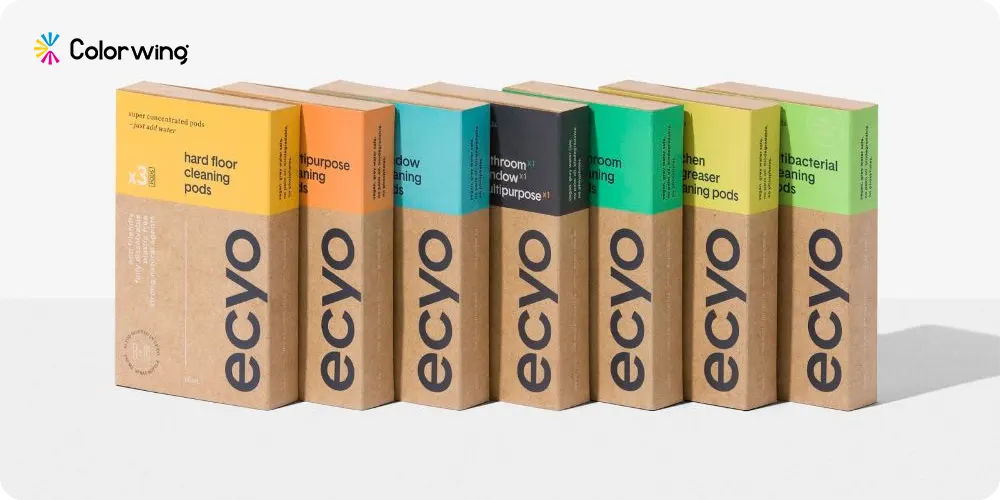
Revolving layouts, wrong logos, and changing colors create a disjointed brand perception, particularly in the grocery or pharmacy aisles. That inconsistency is a small packaging error, however strong, and undermines recognition and repeat purchase.
Remarkable Solution Paperboard Boxes
Folding cartons provide a well-known, repeatable print space and panel rationalization along a complete line, and your hero product, line extensions and seasonal runs still feel like part of one family. Standardized carton series also makes reorders and updating of artwork during a change in regulations quite easy at wholesale.
Mistake 8: Neglecting Shelf and Retail Reality
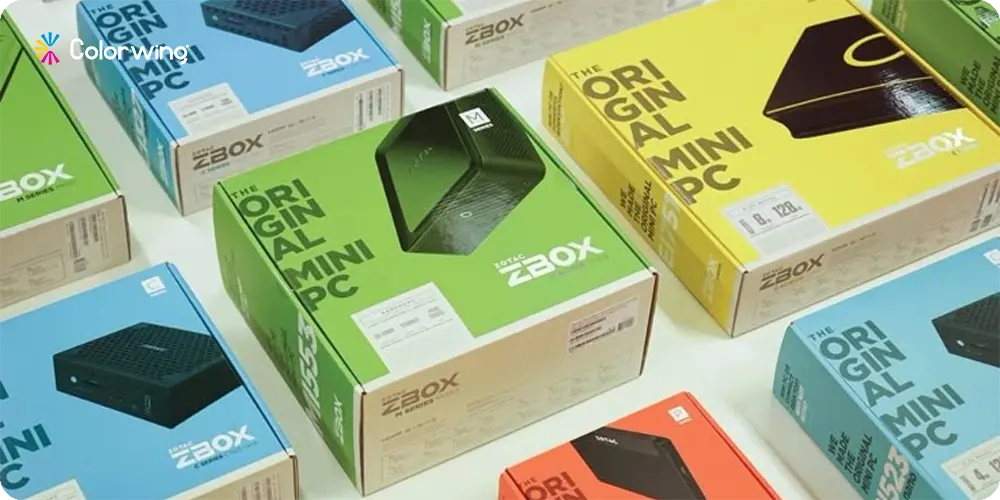
Most designs are attractive on a mockup in a flat format and fail on shelves: important details are lost when the box becomes frontal, or the product does not store well on warehouse shelves. The latter is a common packaging error in the USA retail market.
Retail Solution Folding Boxes
The folding carton, including its transparent front-panel (billboard), side and top panels, can be designed to work in any orientation. Die-cut windows, hang tabs, and display-ready perforations facilitate easy movement of folding boxes between shipping cases and shelves without additional labor. You can pick through custom product boxes that attract prospects from afar letting your brand stand out to the aptest.
Mistake 9: Skipping Prototyping and Testing
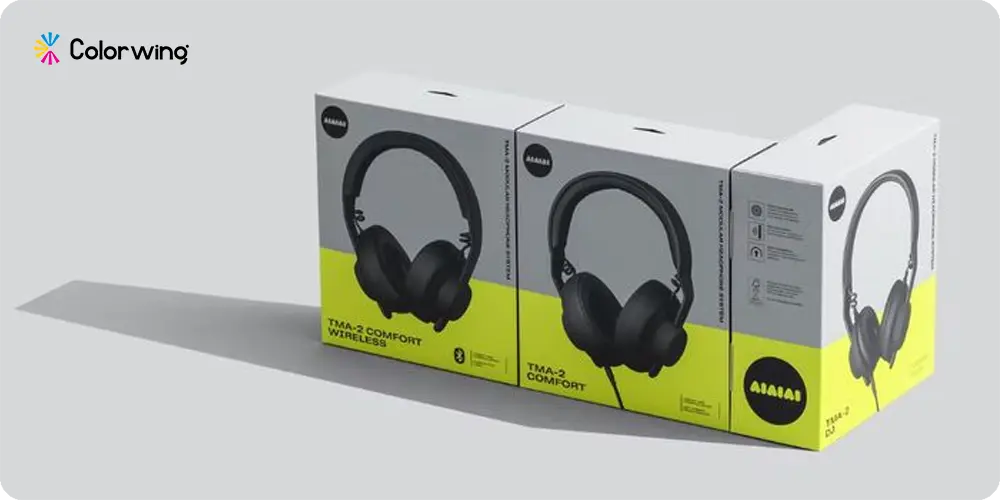
The second common error is that of rushing into full production without testing assembly, filling, and consumer handling. Even the slight mistakes, such as a flap getting stuck in the conveyors or tabs of a closure being too tight, cost a lot within a short period of time. When you get through with prototyping, you can avoid packaging mistakes.
Folding Boxes Comes In As A Solution
Folding cartons are comparatively quick and inexpensive to prototype, hence you can validate print, structure, and line operation before scaling. The step will assist brands not to incur costs in reprints, scraps and emergency redesigns after a national launch has taken place.
Mistake 10: Treating Folding Cartons as “Just a Box”
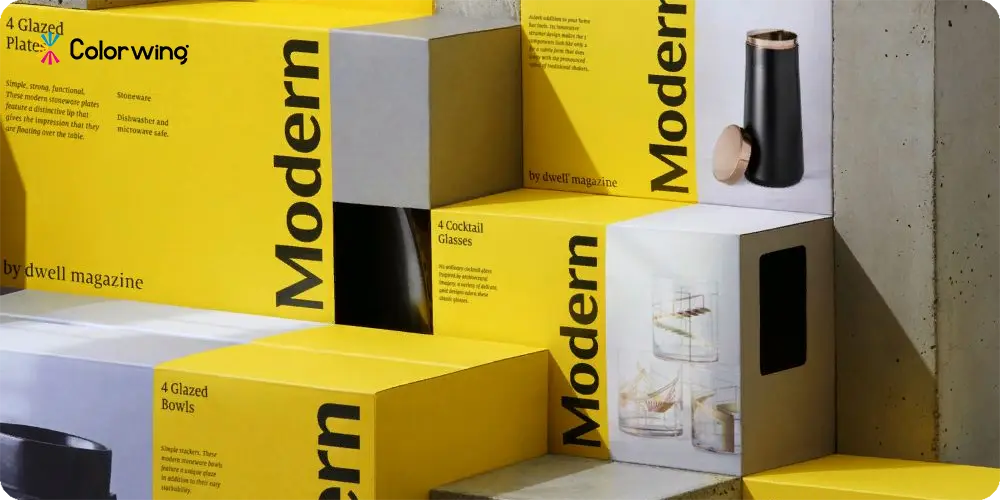
The largest shortcoming is regarding folding cartons as a commodity and not a critical component of the brand and supply chain. Once that occurs, the decisions are made to the lowest cost as opposed to a long-term fit.
Accentuating Solution Through Folding Boxes
As a matter of fact, folding cartons are at the heart of most packaging solutions: they are protective, pack flat, display well, carry compliance messages, and sustainability objectives with a single platform. When utilized in this manner, they form the foundation that unites storytelling, wholesale anticipations, and repurchase, without theater, simply straightforward, dependable execution.
Wholesale Folding Cartons Guide
The first step in wholesale folding cartons is to have just one pivot; to make the box not an add-on but a cost center that can be managed. Your dial-in structure, board grade, and print in one system, you cut damages, accelerate packing, and provide retail partners with packaging that they can count on. You are not working with haphazard box sizes and unreliable suppliers, but rather a coordinated folding carton platform based on your SKUs, shipping processes, and shelf facts.
These cartons are folded flat, and they fit well in the warehouse; however, when placed on the shelf, they look readable and sure, without the haphazard appearance that is a frequent result of last-minute design choices. In brief, wholesale folding carton solutions provide you with the structure into which you can prevent packaging mistakes before they occur, and not after they appear as negative reviews. Request your top 5 SKUs at wholesale rates for the paperboard boxes.

Emily Chris Kieran
Meet Emily Chris Kieran, a seasoned packaging industry writer with 7+ years of experience in the printing and packaging sector based in Texas. With a keen eye for color and a passion for data-driven insights, Emily crafts compelling content strategies that explore the intricacies of packaging and printing. She possesses in-depth knowledge of the industry's dynamics, staying up-to-date on the latest trends and technologies. When she's not delving into industry trends, you can find her unwinding on the golf course, where she finds inspiration and clarity. With a love for polo and a knack for storytelling, Emily brings a unique perspective to the world of packaging, illuminating fascinating facts and trends that inform and engage.