

*2 mins read
What is Offset Printing? How Does It Differ From Digital One?
Publish Date
January 30, 2026
Written by
Emily Chris Kieran
If you have ever ordered packaging, brochures, or marketing materials, you must have heard of two printing terms called offset printing and digital printing. Understanding the difference between offset print vs digital print is important to avoid any confusion, as they may seem similar at first.
In simple words, offset printing is a standard printing method that involves transferring ink from a metal plate to a rubber surface, then onto the printing material. The procedure of transmitting an inked image from an aluminum plate to the rubber “blanket” is known as offsetting. It has a reputation for offering sharp and consistent printing results.
On the other hand, digital printing works entirely differently. It doesn’t use any plates and transfers images directly using a digital press. This process is ideal and faster for short runs and projects that need quick delivery. The choice between offset printing vs digital printing comes down to how each printing process handles volume, consistency, and quality.
You may think printing is printing, but not exactly. Let’s take a closer look at both printing methods, understand how they differ, and help you decide which option is best for your next printing project.
What is Offset Printing?
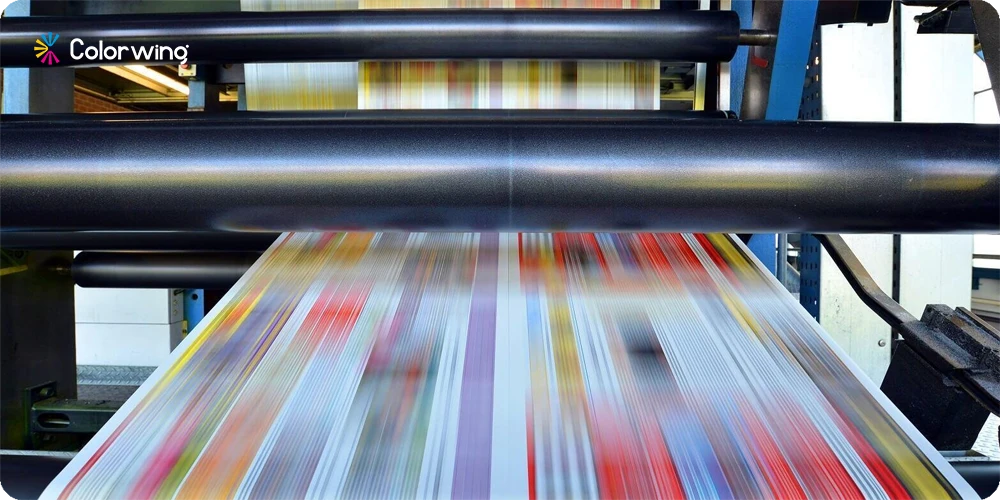
Let’s start with the basics, which is to clearly define offset printing. Offset printing meaning is simple. It is a time-honored printing approach where the ink is not transmitted directly from the printing plate to the surface.
Instead, it involves transferring an image first, or you can say offset, onto a rubber blanket and then pressing it onto the printing surface. This extra step plays a vital role in producing clear, detailed, clean, and consistent prints onto the printing surface. Like, for imprinting, custom textured boxes are frequently made utilizing offset in printing.
You must be thinking what the real off set printing meaning is? It indicates you have full control over the whole printing process.
Offset printing offers better control due to its mechanical process, which allows hands-on control over the ink flow. It provides better control over ink transfer by applying it first onto a rubber surface before it touches the paper or any other printing material, allowing it to adapt well to different textures and material thickness. This is the reason why printing offset has been trusted for so many years in the professional printing world.
Offset printing separates each step by transferring ink indirectly onto the material, which reduces plate wear and improves image quality for long print runs. This level of reliability makes offset printing a standard and most preferred choice for commercial printing projects.
This printing method has traditionally been used for large volume and high-quality printing production. It is used to print on materials like catalogs, magazines, brochures, product packaging, folding cartons, and other marketing materials. If you are a brand looking for consistency, color accuracy, and a professional finish across large-volume production, then press-based printing is a dependable choice for you.
Types of Offset Printing
To fully understand what does offset mean in printing, it is important to learn about its types too. It is mainly split into the following:
Sheet Fed Offset: This type of offset printing uses individual and pre cut sheets of paper. It is considered an ideal choice for commercial work like books, folders, and brochures.
Web Offset: This printing type feeds a continuous large roll of paper through a fast press. It is an excellent option for high volume projects.
Quick Set Printing: High quality graphics are printed using the quick set offset printing process. They are quick to set but take time to dry, which allows the printing machine to preserve the ink.
Benefits of Using Offset Printing
Offset technology for printing offers many wonderful advantages. Let’s discuss them in detail:
It offers superior print quality. This printing method delivers clear, fine lines and clean text without blurring.
This printing method ensures consistency by keeping every single printed page looking exactly the same.
It is highly cost effective for large format printing. The setup cost for plates is fixed. This means the price per unit drops for large quantity orders.
It works perfectly well on different material surfaces.
Explaining the Technical Process of Offset Printing
The global offset printing press market is growing, which is mainly driven by the demand for premium printing solutions across different industries.
“Recent U.S. print industry data shows that offset printing is widely used for high quality, large scale print projects. Its ability to maintain consistent color, sharp details, and uniform results across long print runs makes it a preferred choice for various projects (FortuneBusinessInsights).”
So, what is an offset press? An offset press is a printing machine designed to transfer ink in multiple stages rather than directly onto the printing material. This controlled process sets the foundation of press-based printing and is the reason it delivers high-quality results across large print runs.
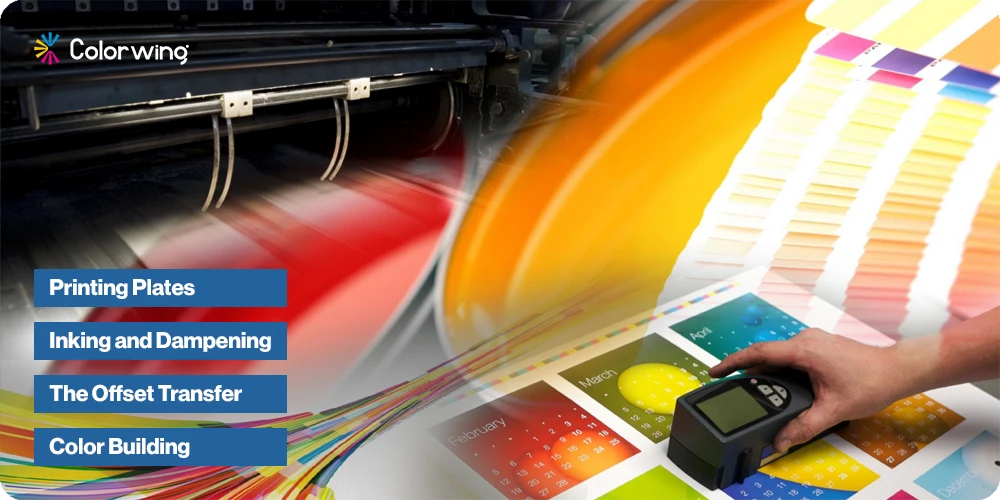
Here’s how an offset press works, step by step:
Printing Plates: A custom aluminum plate is laser etched for each color in a design. These plates carry the image but never print it onto the paper directly.
Inking and Dampening: The plate cylinder rotates inside the press which allows dampening rollers to apply a water based solution on it. That solution sticks to the non image area. The inking rollers apply oil based inks, which stick to the image areas.
The Offset Transfer: The plate transfers the ink onto a rubber blanket. The rubber then presses the image onto the paper or packaging material.
Color Building: For full color printing, the paper passes through four different units called CMYK. Each unit applies a different color.
The rubber blanket provides a significant advantage. Its flexibility allows ink to be applied evenly on both textured and thick materials, reducing inconsistencies and maintaining quality stability across the entire print run. This ensures your packaging looks consistent and sharp, no matter where or when it’s printed at ColorWing’s printing and packaging facility.
This ensures your packaging looks consistent and sharp, no matter where or when it’s printed at ColorWing’s printing and packaging facility.
What is Digital Printing?
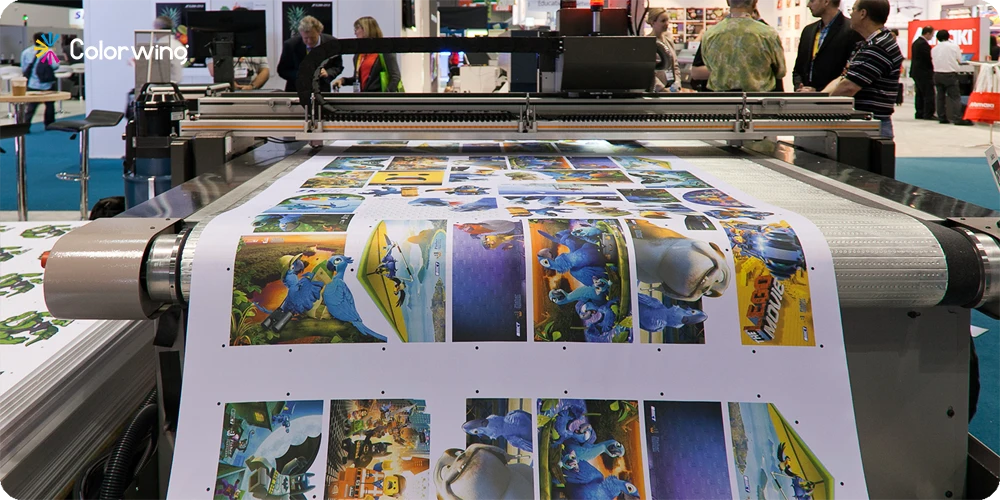
Digital printing doesn’t require plates to print the design onto the surface. Instead, it transfers the image directly from the computer to the printing surface. Since there are no plates involved, this process is much more flexible. Unlike press-based printing, digital printing does not offer consistent printing. That’s why digital printing is used for short runs and projects that need fast turnaround. Like digital printing’s type, DTF printing is also becoming a popular choice.
If you are comparing a digital press vs an offset press, the main difference is their setup. An offset press requires plate creation and measurements before the printing process begins. In contrast, a digital printing method relies on software, toner, and liquid ink systems. This is why the digital printing method is considered data-driven and ideal for changing content, texts, images, or serial numbers.
Advantages of Using Digital Printing
Digital printing methods offer many amazing advantages. Let’s take a look at them:
It does not need plates, which reduces the preparation time.
The inks printed using digital printing tend to dry right away for faster finishing and shipping.
It is an ideal printing choice for small quantity orders.
It is an affordable choice when you do not need bulk production.
It delivers sharp details and consistent colors that look eye catching.
Understanding the Difference Between Offset vs Digital Printing
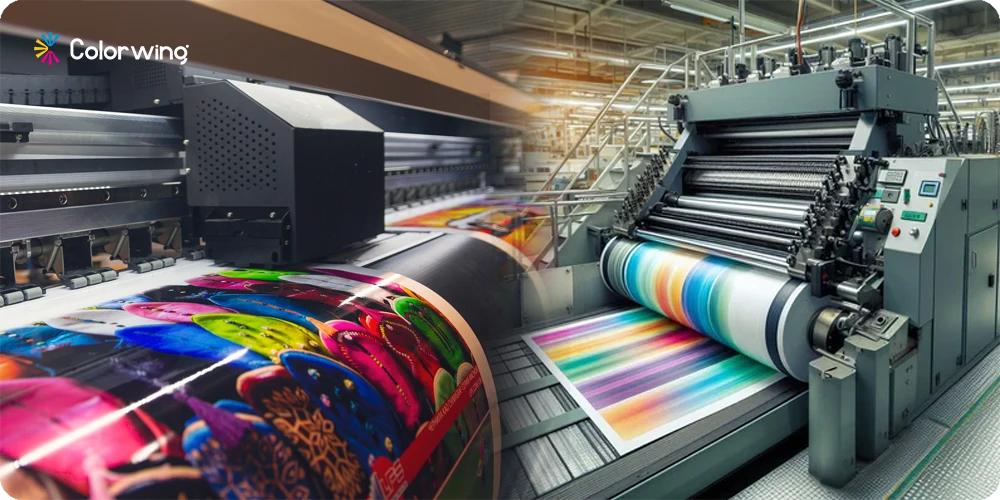
Businesses often compare digital printing versus offset printing to decide how their printed materials will look and feel. Both printing techniques deliver professional results, but the way they work is entirely different.
Therefore, understanding the difference between digital print vs offset print helps avoid printing issues in the future. We have added a table below to help you understand the technical differences between the two printing methods:
Feature | Offset Printing | Digital Printing |
Printing process | Ink is transferred from the plate to the rubber blanket, then onto the material | Image is printed directly from a digital file |
Setup requirements | Requires plate creation and press setup | Minimal setup, no plates required |
Color consistency | Remarkably consistent across long print runs | Can vary slightly between runs |
Material compatibility | Works well with a wide range of paper and packaging stocks | Limited by press and material specifications |
Print volume suitability | Ideal for large-volume production | Best for short to medium runs |
File preparation complexity | Requires prepress setup and color separation | Faster file preparation and processing |
Understanding these differences is important because they directly affect print outcomes. This helps ensure the final results match your printing requirements. But offset printing stands out when consistency is required. Digital printing methods shine where designs can be changed immediately, making it the perfect choice for personalized prints and fast turnaround. You can also read a guide about Rotogravure and Flexography to get finding of key differences between them.
What Each Printing Machine Can & Can’t Do
The equipment also plays a significant role, as both of these printing methods are built to handle different production strengths. The table below breaks down how offset presses and digital presses differ in their production capabilities:
Capability | Offset Press | Digital Press |
Substrate thickness range | Handles thin paper to thick packaging boards with ease | Limited to specific thickness ranges |
Ink types | Uses oil-based and specialty inks | Uses toner or liquid digital inks |
Finishing integration | Easily supports coatings, varnishes, and complex finishes | Finishing options are more limited |
Run-length efficiency | Performs best on long, continuous print runs | Optimized for short to medium runs |
Consistency over time | Maintains uniform quality from first to last sheet | Slight variations can occur over extended runs |
An offset press offers control and durability. It can manage heavy stock and specialty materials without compromising on print quality. This makes press-based printing an excellent option for packaging, where visual consistency matters.
When to Choose Offset Printing vs Digital Printing
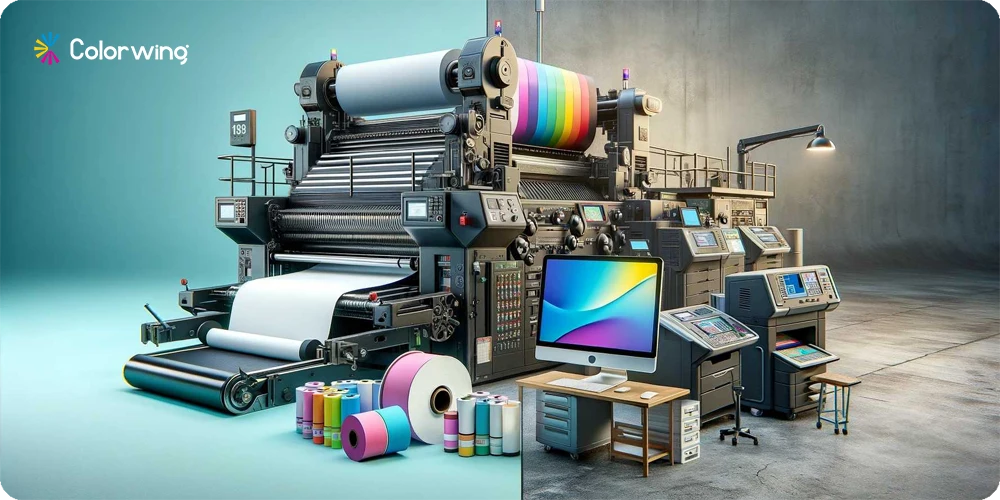
Choosing between digital vs. offset printing comes down to how the final product will be used. Each printing method serves a specific purpose, and understanding its strengths will help you make informed decisions.
Offset printing technique is an ideal choice when brands look for high-volume consistency. This printing method offers consistent colors, sharpness, and finish, even across large runs. This printing option provides color control and predictable results for packaging and marketing materials. It is designed to run continuously without losing print quality and perfectly handles thicker materials, making it an ideal printing option for large-scale print projects.
Digital printing allows you to make changes within the same print run. It’s ideal for personalized text or images. It’s an ideal printing option for short runs. They don’t use a plate setup and offer fast printing, making it an ideal choice for businesses looking for a fast turnaround.
Your project goals determine which printing option is best for you. If consistency is a priority, offset printing is the better choice. Aligning your project goals with the correct printing method helps you achieve the best professional results.
Final Thoughts
Understanding the difference between offset printing and digital printing is essential to ensure that the final results are according to your business goals. Offset printing offers color accuracy, consistency, and reliability across large production runs. Digital printing is an excellent option when speed and flexibility are the main priorities. Determine your project needs and compare both of these printing options to make the decision much easier.
If you are a business that produces packaging and marketing materials, it is best to choose an offset printing method to avoid costly adjustments later. The goal is simple: reliable printing that supports your brand and delivers the best results.
FAQs
Which printing inks are used for offset printing?
Offset printing mostly uses thick and paste like inks. They are oil-based and UV-curable inks. Brands can also choose eco friendly soy based or vegetabl based inks for printing.
Is offset printing an ideal choice for a large MOQ?
Yes. Offset printing is the best choice for a large minimum order quantity. It offers color accuracy and image consistency across large runs.
Is offset printing an affordable option?
Offset printing is highly affordable for large quantity orders. It offers a fixed setup cost. That means the cost per unit drops for large volume orders.
Which materials are ideal for offset printing?
Offset printing works perfectly well on different materials such as paper, plastic textured surfaces, and cloth.

Emily Chris Kieran
Meet Emily Chris Kieran, a seasoned packaging industry writer with 7+ years of experience in the printing and packaging sector based in Texas. With a keen eye for color and a passion for data-driven insights, Emily crafts compelling content strategies that explore the intricacies of packaging and printing. She possesses in-depth knowledge of the industry's dynamics, staying up-to-date on the latest trends and technologies. When she's not delving into industry trends, you can find her unwinding on the golf course, where she finds inspiration and clarity. With a love for polo and a knack for storytelling, Emily brings a unique perspective to the world of packaging, illuminating fascinating facts and trends that inform and engage.