


*2 mins read
What Is The Best Paper For Printing Booklets?
Publish Date
January 26, 2026
Written by
Emily Chris Kieran
Ever held a booklet that felt cheap and flimsy in your hands? You flipped the pages and saw ink bleeding through from the other side. That moment kills the vibe for readers fast. Good booklet paper changes everything. It makes your publication feel premium and professional right away. At ColorWing, we guide brands to the best paper type for booklets every day. We focus on GSM-weight finishes and stocks that match your goals perfectly. Welcome to our 2026 guide on booklet paper types. We break down lightweight, medium and heavyweight options with real tips for success.
You might wonder what GSM even means for booklet paper weight. It stands for grams per square meter. Think of it as the thickness gauge for your pages. Higher GSM means sturdier sheets that resist curling or tearing. Lower GSM keeps things light and affordable for mass runs. The right choice hinges on your content type, audience, and budget constraints. Let's dive into the categories that dominate print shops this year. This guide guides you thoroughly on how to make booklets out of paper. From the beginning to the end, each step will be guided. The book market size is going to scale to a level USD 215.89 billion by 2033,
What Makes Printing Booklet Easier?
Have you ever noticed that there are several uses of booklets? These contain multifarious content (e.g., text vs. photos vs. graphics. Today, we are going to cover how they intend to be the best for a variety of content, such as whether you want it for promotions or want to safeguard, like the best paper type for booklet printing. It’s about the brand preferences on the like you cannot choose the wrong paper for your booklet, the best paper of booklet depends on its purpose, like balancing weight (GSM) for the premium feel and finish (Gloss, Matte, Silk) for the visual impact with 120-170 GSM which is often ideal for inner pages and heavier cardstock for covers. We’ve got resplendent marketing materials to scale branding to the core.
With the best paper for a booklet, it all depends on the purpose; it is intrinsic to balance weight for the premium outlook and finish feel (Gloss, Matte, Silk) for the visual impact, like the lighter GSM can be considered, and for the covers, heavier cardstock materials can be utilized. While you can pick through the materials, glossy paper is best for photos, while matte paper is best for printing the text. The silk gets the best deal for a professional appeal and look. For a purpose, the heavy images (Catalogues, portfolios), you can also utilize glossy paper vibrancy for a silk/satin finish, like glare
Which are The Best Papers To Pick For The Booklets?
You can pick white offset, typically used for books that only have written text, no photos in the copy. 70# is then used when you want a little thicker paper. These are also intended to be the best for photos, whereas 70# white offset is also an impeccable option if you want a thicker paper with solid ink coverage to help with the bleed-through. You will make your photos appear clean and crisp without blurs, and you can pop on the page, then rely on 80# gloss text. We also make custom invitations that scale credibility of branding and scaling to core needs.
While in publication, mostly novels get printed through 50# offset, yet they are written in words. You can seek assistance from our design team, whether you are imprinting motivational autobiographies, history books, or any genre. Either use r 60# white or pick through natural book papers.
What’s the Best Paper for my Book?
Are you on the lookout for the exceptional best papers? While there’s no single straightforward answer to this question, here are some of the guidelines to use for picking up this stock for the interior of your booklets. You will be exceptionally inspired that all printing has to be catered in the best manner so that there aren’t any hurdles along your way.
We tend to see more books printed on 70# offset, which tend to have a lot of ink coverage. The 80# gloss text is best used for yearbooks, recipe books, or some biography books that contain a lot of photos.
Choose Paper Types For Scaling a Remarkable Outlook
With top-quality paper weights and finishes, you can also enhance your booklet, but this can also effect the costs. You can also balance affordability, durability and cost, try considering the use of lighter stock for the inner pages and reserving the heavier stock for the cover.
Stay Consistent In Printing
With the imprinting in bulk, you can be economical than placing several small orders, you can anticipate requiring more copies in the future, you can consider printing a bulk quantity, take advantage of massive orders and get the upfront advantage for making the lower cost per unit.
Simplify Your Design:
You will be impressed with custom finishes, making your booklet stand out, but extra finishes can increase the potential costs. You can keep the design budget-friendly, focusing on simple yet elegant and intuitive designs.
Lightweight Papers (60-100 GSM): Budget Portability.
%20Budget%20Portability).webp?alt=media&token=3848a304-628e-46aa-9981-9f8150a262f5 "low GSM paper")
Light papers of 60-100 GSM shine with novels and books with a lot of text in it first. These publications are read in bags or pockets by the readers without any burden on a daily basis. The cost of printing becomes low because the press is easily filled using less material. Publishers are fond of the way these stocks fit long-form stories or manuals that are thick. Portability remains a key for commuters who read in trains or planes at all times.
Use a 70 GSM uncoated paper, a 300-page novel. It is less than a pound and thus would be good as a beach read or travel companion. Ink is acute on these sheets of black text masses thick. Bulk run costs are a fifth less than heavier alternatives. But here, image-rich content is victimized with ghost background pages. Light is simple to pass through fine fibers, making photos look dull.
The experts of ColorWing 80 GSM silk coated in the case of hybrid booklets with a partial visual mix. This weight is a balance of cost and does not add too much bulk to the weight. Novels are more readable than flashy graphics, thus lightweight triumphs over big. A 200-page course syllabus printed on 90 GSM recycled paper weighs just 12 oz, light enough for daily commutes. Green printers observe that these papers consume less pulp, which can save the trees worth mentioning.
Small booklets printed on 60 GSM miraculously transform event programs or flyers, stapled. They press without creases straight in heaps high. The budget brands print thousands without bankrupting the bank balances. Simply do not use double-sided color spreads, as they bleed out to ruin the clean appearance very fast. Practice with test samples to get a feel of smooth page-turning in reality.
In 2026, booklet paper still comprises lightweight papers that characterise mass-market novels. They make your project portable and reader-friendly. You have to make good decisions when it comes to publishing, and your publication will go a long way without being slowed down by the weight of the past.
Medium Weight Papers (120-170 GSM): Top-Tier and Balanced Selection
%20Top-Tier%20and%20Balanced%20Selection.webp?alt=media&token=723b6e2b-0512-4ed4-8e06-183e788c4830 "medium weight paper 120-170 GSM")
Supreme is ruled by medium-weight paper that measures 120 to 170 GSM. The stocks are durable enough to withstand the harshness of handling them on a daily basis. There is no tearing of edges or wear when pages turn. Dense show-through of opacity is blocked out perfectly to allow double-sided printing. Prices remain affordable with the balance between the quality of a premium feel and the size of production.
On 130 GSM gloss coated to take advertisements that jump out with each issue, magazines flourish. Colors are filled to the brim, making product shots too tempting to customers to window shop. The 150 GSM silk is used in catalogs to combine both text and image without glare, which is rough. Highlighter notes on textbooks on 140 GSM do not smear the ink bad. Booklet cover paper can extend to 170 GSM to harden in order to cushion the inner soft.
ColorWing regards medium weights of brochure paper as the sweet spot of most types of brochure paper today. They cope with saddle-stitch binding without pages dimpling with time. Much more often, readers like that these sheets do not fade away when a person has touched the sheet. The press speed is popular with the print shops because medium GSM is quickly dried under UV lamps that are bright.
Take a 48-page product guide using stock 135 GSM matte-coated papers. It is spread flat on tables for sales teams who are pitching willing clients. Pictures remain sharp, and charts can be read with clarity even in office lights that are constant. Prices per booklet are on the low side to be cleverly reprinted quarterly. These weights are suited to common booklet sizes such as A5 or 8.5x11 without creating any bulk.
Marketing departments are choosing 160 GSM to put in annual reports that look heavy in the boardroom's elite. The quality does not come with premium price tags in a frightening manner by the weight. The double-sided spreads brighten in this case without ghosting to distract interested viewers. ColorWing uses exclusive folding to create sharp and professional.
Booklet paper types are dominated by medium weights that have a versatility that cannot be matched. They fit all the way from trade show handouts to corporate overviews, perfected. It will make your publication more credible in the eyes of the reader, who will most likely judge books by their cover first.
Heavyweight Papers (200-350 GSM): Premium Impact Luxury
%20Premium%20Impact%20Luxury.webp?alt=media&token=844c8a90-54e0-4bf3-a51f-16d68c2d7054 "heavyweight paper 200-350 GSM")
Photo books, art portfolios, and coffee table displays are brought to a higher level by heavyweight paper that comes in 200 to 350 GSM. These stocks provide full blocking of the show through all rich blacks deep. Fancy texture entices fingers to linger as they turn pages slowly. The quality of images gets to the sky as the thick fibers retain the ink droplets juicy without getting wet.
Gallery prints on 250 GSM gloss-coated kick off spreads dramatically. Colors are a true imitation of canvas textures that seem real at each glance. Portfolios apply 300 GSM silk on portfolios that clients pass hand-to-hand admiring. This heavyweight is required by the collector appeal of such booklet types as limited-edition zines. Semi-transparent printing paper of 220 GSM is ideal when doing wedding albums that can last a lifetime.
ColorWing maintains heavyweight as a category to attract customers who are pursuing upscale feelings at a high price point. Expenses increase as thickness increases, but the value of perceived increases rapidly. These articles bind tough in perfect or case binding techniques. Booklets with lots of photos do not have the problem of bleed, where the layers can be stacked to create the impression of immense visual impact.
The photographers of weddings devote their oaths to 280 GSM matte in albums that the parents will keep their whole life. The weight is equalized with the emotional weight of timelessly captured memories. Galleries use 320 GSM to make catalogs that are framed by collectors as works of art, which are hard to find. Embossing and debossing are used in tactile designs that are unique to thick printable paper.
The concept of durability works well in libraries where 350 GSM can withstand generations of inquisitive readers. Yellowing of pages is prevented by an acid-free formula, which was developed in 2026 mills. Small booklets should be printed on foil stamps, gleaming luxurious on 210 GSM and used as gifts. Your magazine is a treasure that your readers keep close to their chests.
Good booklets are turned into heirlooms not to be forgotten through heavyweight papers. They are fitted in premium markets where quality speaks louder than words alone can ever do. You can get remarkable booklets tailored to exceptional expertise.
Paper Coating vs Uncoating: Finish is the Most Important Thing
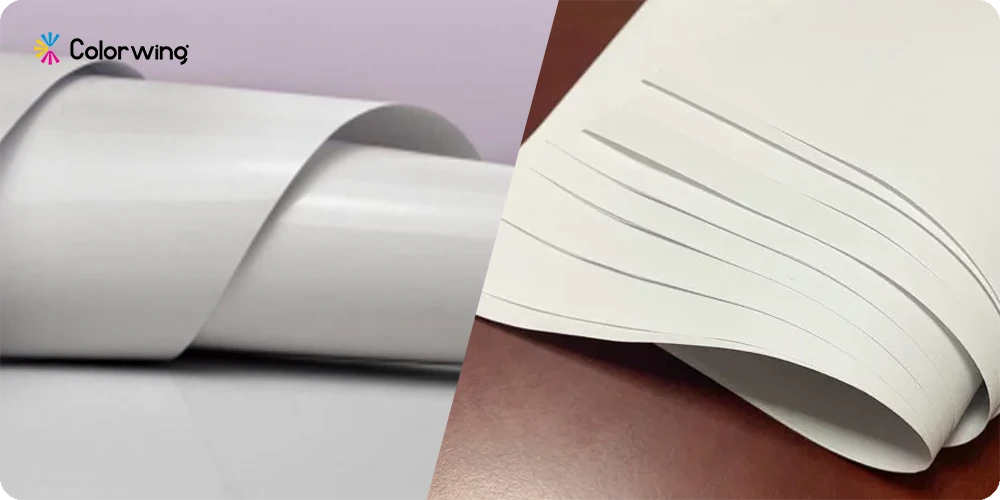
High-image booklets are covered with coated paper that is coated with clay to give it a smooth finish. Spotlights bright colors under Gloss finishes, which reflect light and make colours glorious. What is the name of glossy booklet paper? It glitters in promotional material that catches eyes immediately. Silk coated is a balance between comfort, readability and vibrancy.
The glossy booklet paper is good for product catalogues where information is of the essence. Colors are twenty percent darker than the bare competitors in the test labs, verify. But glare strains eyes when lengthy reads are enforced, so type in bold fonts is hard. Silk paper type has been softened to enhance reflection, which is ideal in magazines read in the leisure of your clients’ homes. Natural paper with no coating is ideal for use in novels and workbooks that are written by hand.
Booklet cover Paper: Impress and Protect First
First impressions that linger last longer require higher GSM in booklet cover paper that glosses 250 cardstock. It is resistant to the smudges of fingerprints, remaining clean even with dozens of hands. Foil stamping inculcates logos deep into metallic lustre, lasting.
Silk is a 200 GSM balance weight and posh in catalogs. They twist tight around saddle stitches; they do not snap spines. Good cover printing paper is nice with respect to a linen texture, bringing to mind fine stationery that is elegant. ColorWing UV spot varnish is printed underlined bold selected headlines.
Inners are covered with heavy covers to ensure that the moisture of dust is not exposed when they are in storage. They stamp your publication in front of flipping pages that look inquisitive. The most suitable covers to use with common booklets are always at least twenty GSM heavier than text. Your cover sells the contents, which promise to give value to the rich.
Booklet Types and Complementary Paper Perfect
The booklets are saddle-stitched and are printed on 100-135 GSM text and 200 GSM covers light. In perfect-bound novels, the choice of 80 GSM uncoated inners is taken to achieve high page counts. Wire-O catalogs have 150 GSM silk punch holes on each sheet. The booklet can be of different types, where the paper will follow the content line-wise.
Trifold brochures will grab 170 GSM gloss folding sharp without the addition of bulk. Indie vibes are authentic, raw and zines are printed on 120 GSM. A trifold brochure coated on the best paper shines in pocket-sized promotions fast. ColorWing customizes stocks to the binding technique, which makes the arrangement of lay flat.
Paper printing items are increased with the speciality stocks, such as pearl metallic fancy. Book printing paper is developing in line with sustainable chic 2026 strong trends.
Learning to make booklets out of a piece of paper: easy steps.
Begin with PDF proofs verifying bleed margins are accurate prior to big press. Select booklet paper weight, either smart thick or thin. Standard 100 GSM medium outer covers a 250 GSM inner sheet. Print double-sided, aligning spreads seamlessly with imposition software assistance.
Fold stack, staple/bind matching method selected above, cautiously. Cut edges square in order to finish flush with all corners. ColorWing does the full process up to fast door delivery. Define a booklet as a multi-page publication, folded and bound for the sharing of information.
Striking the Right Balance Between Costs and Quality: Smart Tips
High-quality paper weights improve the booklets but increase costs within a short period of time. Wear lightweight inner with heavyweight being strategic on covers only. Printing in volume quantities of less than twenty percent of the unit cost solidifies. Streamline designs, omitting custom dies in favor of spot colors,
Using regular common booklet sizes avoids, at a painful cost, dodging setup charges. Key spreads are sparsely accented by fancy printing paper at no expense. Coated text with uncoated cover hybrid wins book paper. ColorWing boasts of a solid bulk that saves thousands of dollars every year.
Effects of Paper Stocks on Reader Experience Profound
Images jump to life like with gloss silk-coated papers every flip. Synthetic papers stocks are appropriate for marathon reading of novels and journals. Book binding heavyweight best paper is a great one that guarantees a long life in libraries. It is the paper in print that sets the tone of the first touch, entailing read ahead. If your marketing material is prepared with care, its popularity increases it becomes a social media stop-strolling appeal.
Printable pieces of art are thick and display proudly on thick pieces of paper. Perceptions formed by brand loyalists are determined by the type of paper selected in a booklet. ColorWing tests reader feedback, making sure that stocks charm the targeted audiences.
Lesson Learned: Learn the GSM To Be a Master of Publication
GSM determines the quality of feel of the booklet paper finally succeeds. Novels that are portable, cost-effective and cheap to carry are lightweight 60-100 GSM suits. A-170 GSM balances medium durable print, clean on both sides, for magazines. Fine 200-350 GSM relax anti-glide photo books, portfolios, image sharp. You have to pick the weight of paper as per your brand’s prerequisites and making your brand stand out on massive level.
Both shiny silk dazzle images glittering, coated, glossy, smooth. Unless painted, natural textures are easy to read and easy to write, timeless classics. Balance purpose, longevity, seasoned budget, picking the correct paper type booklet, and immaculate. ColorWing professionals make decisions in 2026 so that top-ranked publications are high on online search.
Are you willing to imprint beautiful booklets that impress? Call ColorWing today to have sample quotes made for your project perfectly. Our 2026 stocks are at the head of the industry, with standards of quality, unmatched service rapid. Which paper problem on booklets do you find the most difficult at present? Post remarks under our print pros respond with hints, personal, and real.s

Emily Chris Kieran
Meet Emily Chris Kieran, a seasoned packaging industry writer with 7+ years of experience in the printing and packaging sector based in Texas. With a keen eye for color and a passion for data-driven insights, Emily crafts compelling content strategies that explore the intricacies of packaging and printing. She possesses in-depth knowledge of the industry's dynamics, staying up-to-date on the latest trends and technologies. When she's not delving into industry trends, you can find her unwinding on the golf course, where she finds inspiration and clarity. With a love for polo and a knack for storytelling, Emily brings a unique perspective to the world of packaging, illuminating fascinating facts and trends that inform and engage.