

*2 mins read
What Products Are Best Suited for Dispenser Boxes?
Publish Date
May 18, 2026
Written by
Emily Chris Kieran
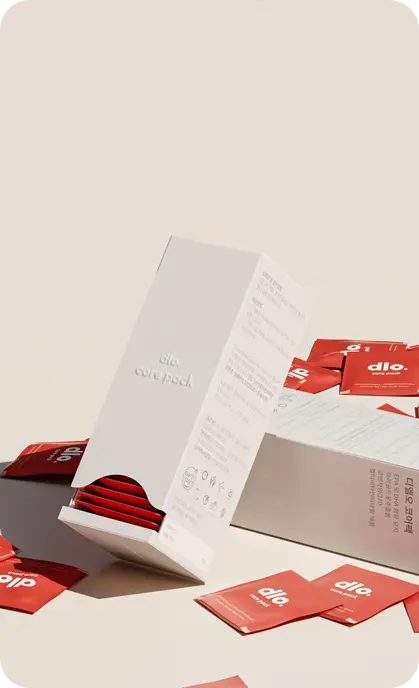
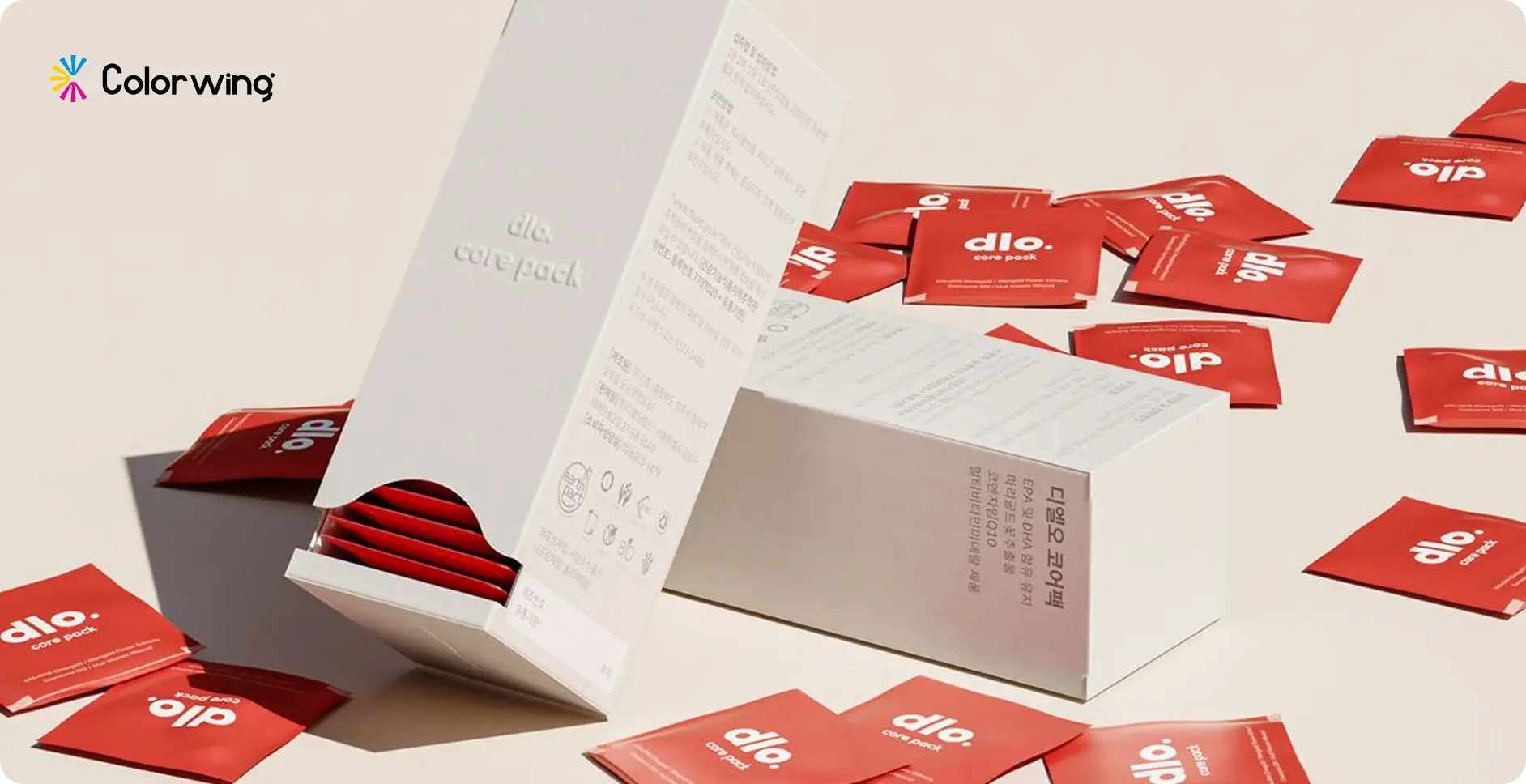
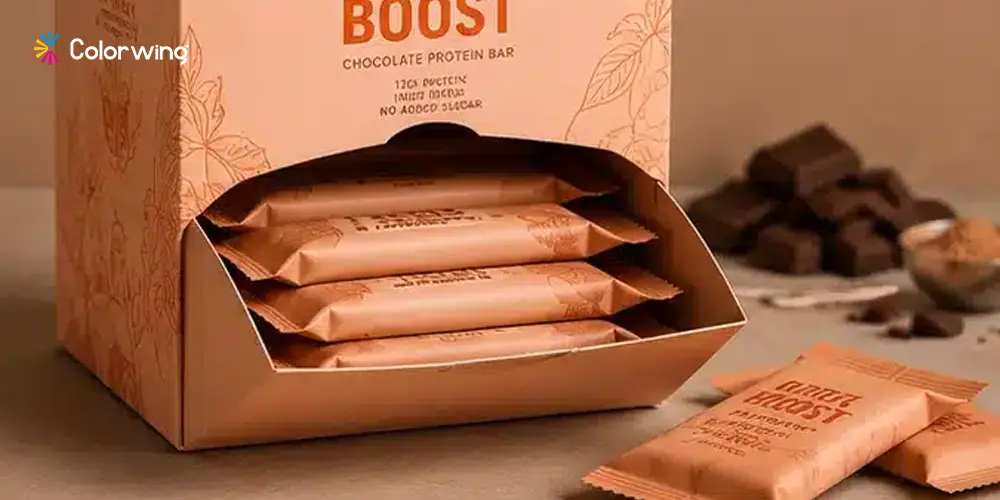
The first thing that comes to mind when we hear about a dispenser box is a carton with a built-in opening or perforated panel through which packed items can be accessed. When one item is plucked or pulled out, the rest stay in place neatly in the box every time. Plus, for these boxes, there isn’t any need to open or close the box for accessing the products.
If you are in the business of selling pocket-sized wipes, minis, labels, lip gloss, products that come in sachets, or other small pieces in bulk, dispenser boxes can make life easier for both your customers and your team.
Before we move forward to knowing which products are best suited for dispenser boxes, let’s first briefly understand them.
What’s a Dispenser Box and How Does It Work?
Most dispenser boxes start as regular cartons. One panel is perforated or die‑cut so, when you tear or fold it down, it creates an opening. From then on, products slide or are pulled out through that opening, one at a time.
You’ll typically find dispenser boxes:
On retail counters and shelf edges.
At reception desks, clinics, and offices.
In labs, workshops, warehouses, and packing areas.
Brands like this format because the box acts as storage, organizer, and small display all at once. And now to answer your question of knowing the suitable products for dispenser boxes.
Single‑Serve Food and Beverage Products
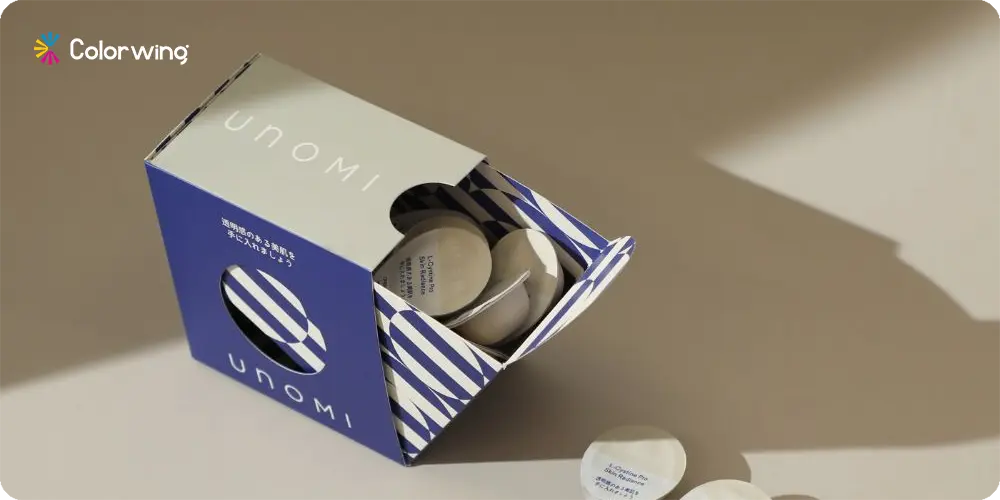
Single‑serve food and drink items are one of the classic uses when it comes to dispenser boxes.
Common examples of such products include:
Tea bags and instant coffee sachets.
Sugar, sweetener sticks, and creamer.
Snack, protein, and cereal bars.
Gum, mints, and wrapped candies.
The most common places where these products are displayed includes cafés, office kitchens, hotel breakfast areas, and convenience stores. The countertop box keeps all the products upright and visible. Furthermore, the front panel of these boxes can be printed to show flavor, portion count, or dietary badges.
Over‑the‑Counter and Personal Care Items
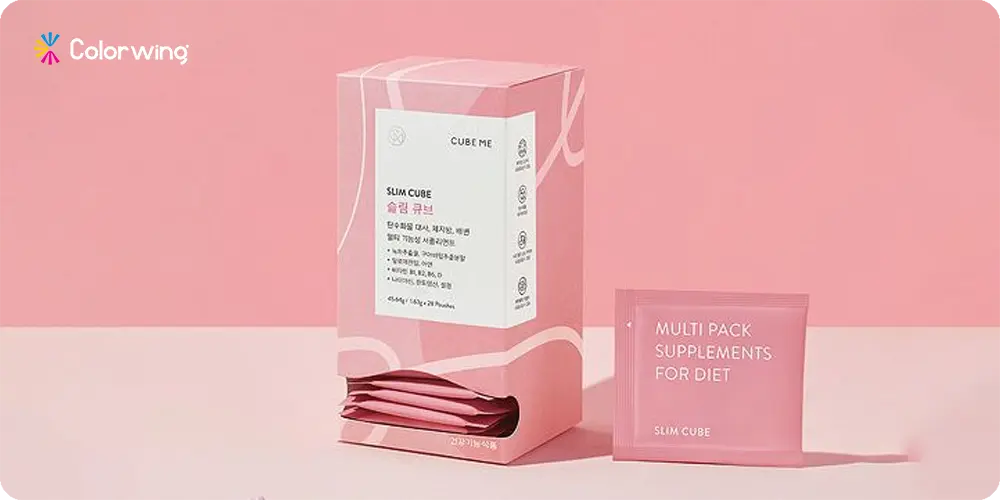
Many OTC and personal care products are small and usually used one at a time. This handiness and accessibility make them an ideal option to pack in dispenser box packaging.
Some of such kind of products include:
Cough drops and lozenges.
Single‑use sanitizer wipes and sachets.
Sample‑size toothpaste or mouthwash.
Travel tissues and mini wet wipes.
These often sit near pharmacy counters, in clinics, airports, and hotel receptions where customers help themselves or staff hand them out quickly. A dispenser box keeps the units clean, reduces handling, and uses the front face for simple messages like “take one,” “free sample,” or key benefits.
Office, Reception, and Educational Supplies
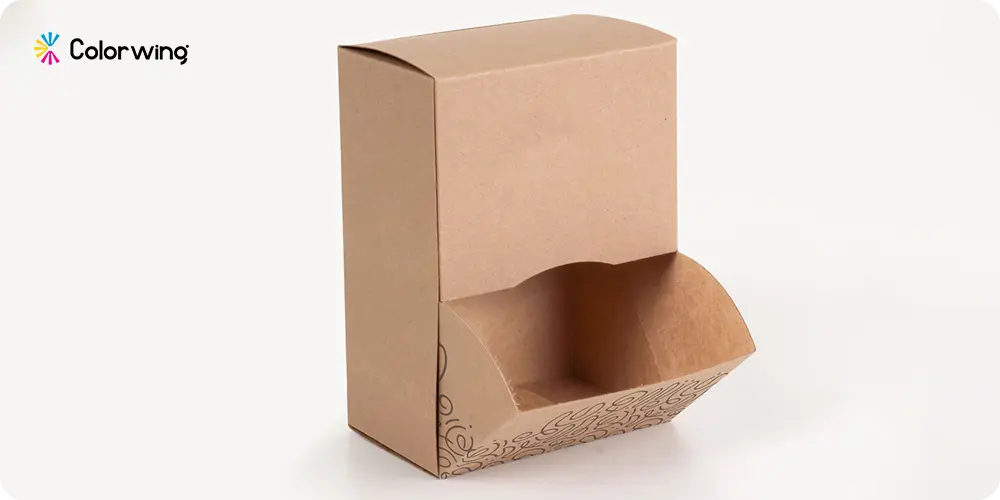
In busy office settings and school workshops, there is only one box that can hold multiples items without breaking a sweat. And that is the dispenser box.
Typical products include:
Pens, highlighters, and markers.
Sticky notes and index flags.
Paper clips, rubber bands, and push pins.
Visitor badges or ID card packs.
Usually these products were held in loose cups or trays with labeled stickers. But it has been made easy to display them on desks, workstations, and in classrooms with dispenser boxes.
Industrial, Lab, and Medical Consumables
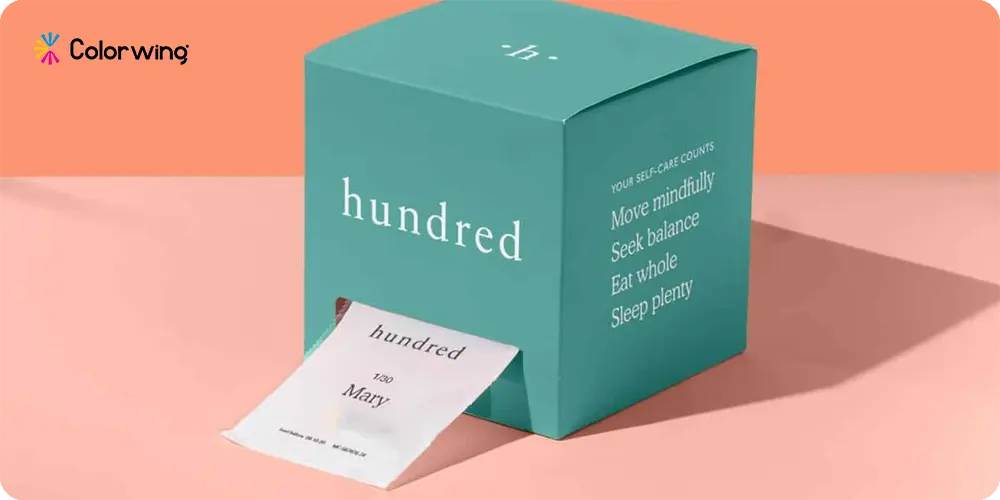
In industrial and healthcare settings, people often need fast, sometimes gloved access to small consumables.
The most suitable products for dispenser packaging include in these industries:
Gloves, masks, hair nets, and shoe covers.
Alcohol pads and gauze pads.
Wipes and small cleaning sachets.
Small hardware items like screws, nuts, bolts, and cable ties.
For these products, the opening panel of dispenser boxes is sized to let the products get accessed easily. Plus, it is sized in a way that don’t let the items spill if the boxes get bumped with. That balance between access and control is one of the key design details for this category of products.
Beauty, Skincare, and Cosmetic Samples
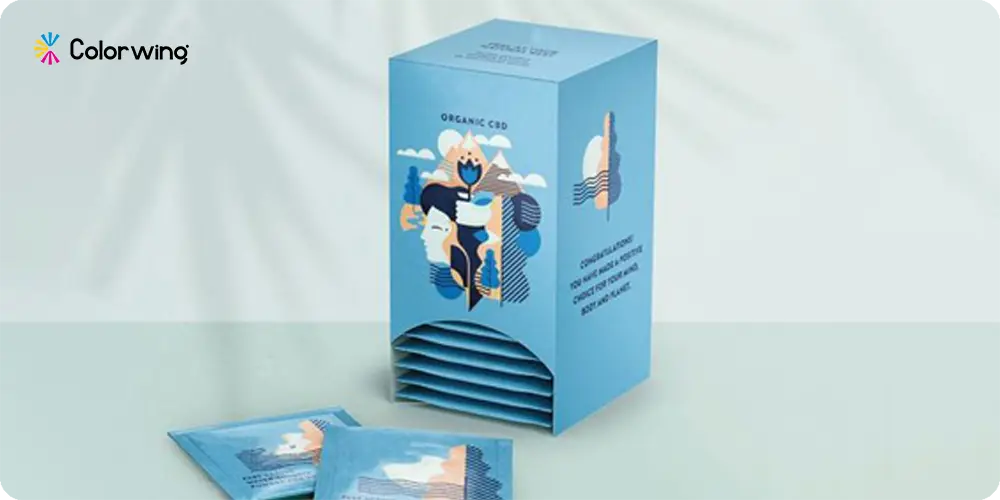
The core thing that makes a beauty and skincare brand a success is the product samples. Many of which come in sachets or mini packs that sit nicely inside a dispenser box.
Examples of such products include:
Sachet samples of creams, serums, foundations, and lotions.
Single‑use hair treatments and masks.
Sheet masks and under‑eye patches.
Makeup remover wipes and cleansing pads.
You’ll see these at beauty counters, salons, spas, and events where shoppers are encouraged to “take one” to try. A dispenser box makes sampling feel more organized than a bowl and gives extra space for brand visuals, ingredients, and usage tips.
Labels, Stickers, and Tags
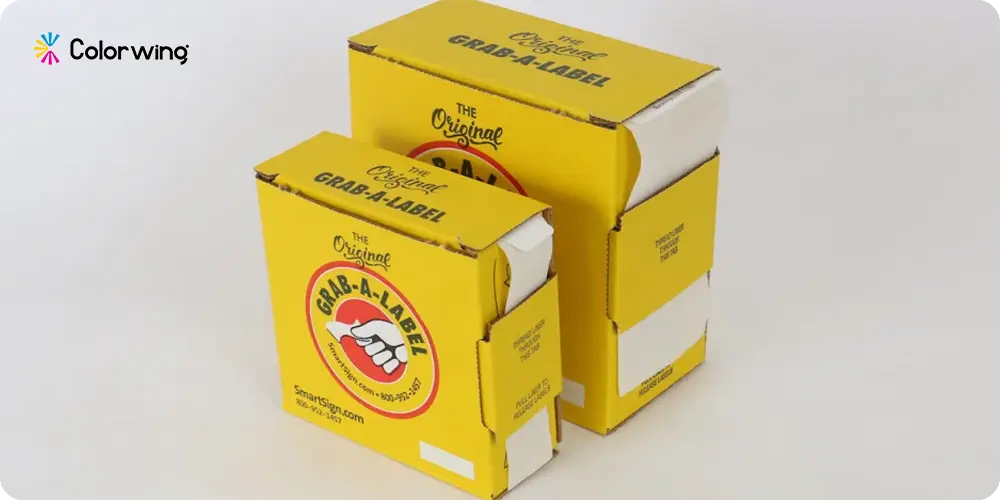
In logistics and retail, labels are applied all day long, so a good dispenser box can make labeling faster and cleaner.
Suitable products:
Roll or fanfold shipping labels.
Price and barcode stickers.
QC, safety, or batching labels.
Label dispenser boxes help feed labels one by one and keep the roll under control, which reduces tangles and damage, especially at packing benches and in backrooms.
How to Tell If Your Product Belongs in a Dispenser Box
A product is usually a good match for dispenser packaging if:
It is small and sold in multiples (sachets, wipes, sticks, labels, small parts).
People use one unit at a time, usually in a hurry.
It’s helpful for the product to be visible and neatly presented right where it’s used.
You want the outer pack to work as a storage, organizer, and display in one.
If a product is large, heavy, or mainly sold as a single unit, it usually makes more sense to use standard folding cartons, mailers, or rigid boxes instead of a dispenser structure.
How ColorWing Helps You Design the Right Dispenser Box
A dispenser box works best when it’s tuned to the product and the place where it will be used. That’s where ColorWing comes in.
Here, we can help you:
Match structure to product – choosing the right style, board thickness, and opening shape for your specific sachets, wipes, labels, or parts.
Plan graphics that work at the point of use – using the front and top panels to highlight benefits, usage instructions, or offers in a way that fits the environment (retail, medical, office, or warehouse).
Make boxes counter-ready – designing dispenser packs that are easy to set up with a simple tear or fold, and that fit standard shelves or workstations.
Choose suitable materials and finishes – including recycled boards and recyclable finishes where they align with your product and sustainability goals.
Instead of treating dispenser boxes as just “a box with a hole,” ColorWing can help you build them as small, effective tools inside your overall packaging and workflow.
Conclusion
Dispenser boxes make the biggest difference when you have many small units that should be easy to grab, but never messy or hard to reach. From single‑serve food and personal care items to labels, lab consumables, and packing materials, they help the same way every time: one clean opening, one product at a time, and a tidy, branded pack doing quiet work in the background.
By checking a few simple points like size, usage pattern, environment, and the need for visibility, you can quickly decide whether a dispenser style of box fits well with your product or does it belong in a more traditional box. And when you’re ready to develop the structure and graphics around real‑world use, a specialist like ColorWing can turn that idea into a practical dispenser box that works for your product line and your workflow.
Frequently Asked Questions
Are dispenser boxes only for retail checkout areas?
No. Dispenser boxes are used in offices, clinics, labs, warehouses, and packing stations, anywhere people need quick, repeated access to small items.
Can dispenser boxes handle heavy items?
They are best for light to medium‑weight items like sachets, wipes, small parts, and labels; heavier or bulky products usually need individual cartons or corrugated shippers instead.
What pack sizes work best in a dispenser box?
Packs with at least a few dozen units work well so the box can act as both storage and dispenser; the exact number depends on the size and thickness of each unit and how fast they move.
Can I use one dispenser design for several product variants?
Yes, as long as the products share similar size and shape. You can keep the die‑cut structure and change the artwork for each flavor, scent, or variant.
Are dispenser boxes recyclable?
Most cardboard and paperboard dispenser boxes are recyclable when printed and finished appropriately, and many suppliers now offer recycled content boards to support more eco‑friendly packaging.

Emily Chris Kieran
Meet Emily Chris Kieran, a seasoned packaging industry writer with 7+ years of experience in the printing and packaging sector based in Texas. With a keen eye for color and a passion for data-driven insights, Emily crafts compelling content strategies that explore the intricacies of packaging and printing. She possesses in-depth knowledge of the industry's dynamics, staying up-to-date on the latest trends and technologies. When she's not delving into industry trends, you can find her unwinding on the golf course, where she finds inspiration and clarity. With a love for polo and a knack for storytelling, Emily brings a unique perspective to the world of packaging, illuminating fascinating facts and trends that inform and engage.