

*2 mins read
A Guide to Cardboard Boxes, Types Explained?
Publish Date
March 16, 2026
Written by
Emily Chris Kieran
Have you been on the lookout for cardboard as a reliable choice for packaging? Well, before we dive into cardboard boxes yet known for their sturdier composition. Cardboard has the resilience of nature and also comprises of rigid properties. It’s facilitated by making a remarkable choice for retail businesses. The cardboard has heavy-duty paper and meets the prerequisites. Cardboard provides a lot of protection for products and is flexible, able to be molded into any size, shape, or style.
Cardboard is still excellent for packaging high-end products, such as wall clocks, and for the cardboard material itself, which is then used when you require more personalization. Tense features for the packaging of your product. Moreover, the use of cardboard boxes is higher worldwide. Moreover, it is best to create higher competition among brands; these boxes add value to packaging your products.
What Makes a Cardboard Box?
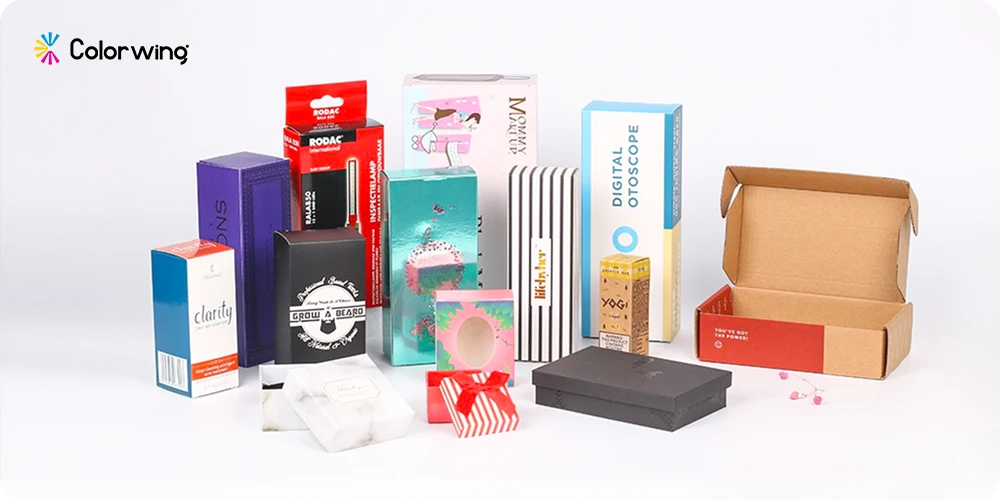
Ultimately, any board made from heavy paper-pulpa can be considered a type of cardboard. This may apply to greeting cards, materials, or playing cards, etc. The same could be said of the thin chip that cereal boxes are made out of. Although there is some cardboard incorporated in corrugated materials, you should know that you cannot use the terms interchangeably.
Where Cardboard Term Comes From?
The word cardboard may be applied to represent any form of board that is made out of heavy paper-pulp. This may be with the material that is used to produce greeting cards, or playing cards, etc. It would apply to the thin chipboard used to produce the cereal boxes. Although corrugated materials might contain some cardboard in them, it is vital to understand that these two terms cannot be used interchangeably.
Composition and Structure
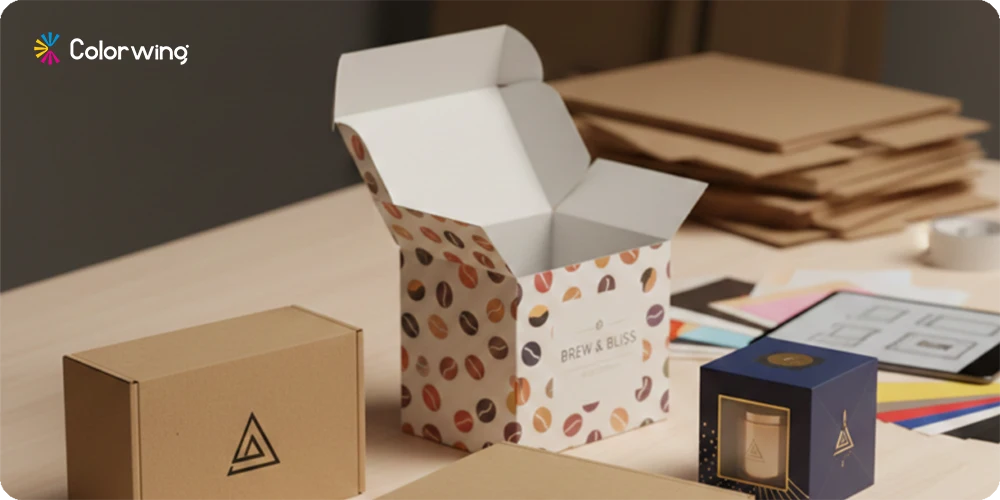
Paperboard is a heavy and thick paper that is usually used to manufacture cardboard boxes. The variety of paperboard in this category is: chipboard, paperboard, and sometimes even the outer layers of corrugated board when people use the term "cardboard" in a non-technical way.
Paperboard
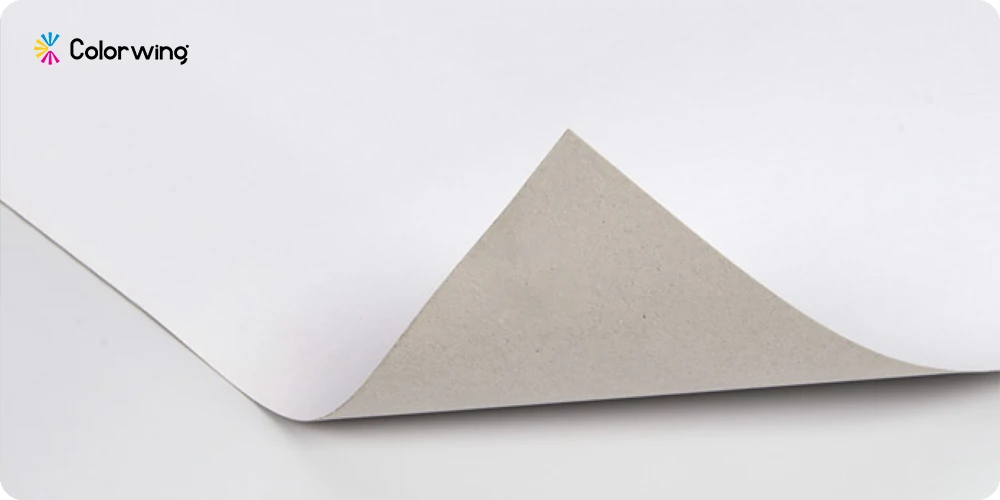
It is employed in lighter uses, such as packaging products, retail boxes, and similar applications where a fancy display is needed. The paperboard is often manufactured in a mono-layer or occasionally laminated to make it stronger. Our exclusive guide to paperboard packaging explains key compositions and utilities.
Chipboard:
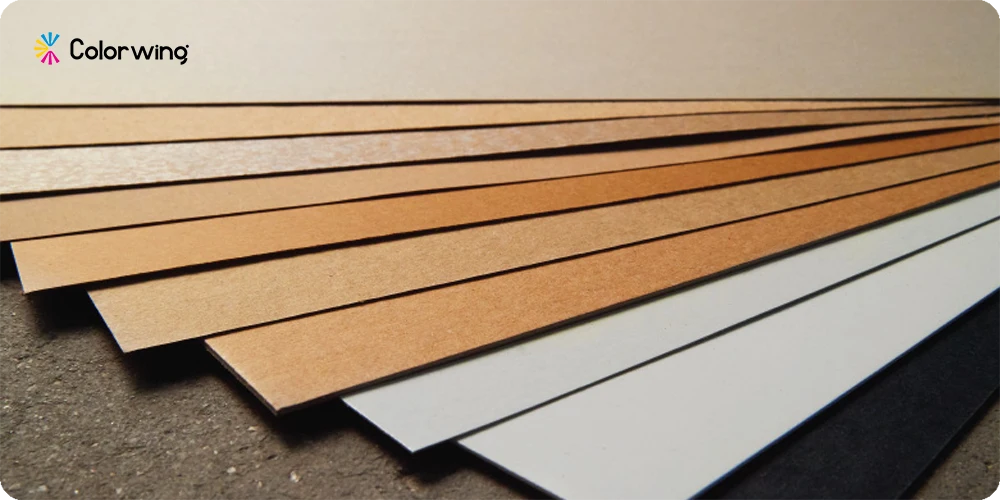
It is definitely a form of paperboard that is typically used to support notepads or other lightweight products, such as packaging. It is a packaging material that is in high demand. A lot can be achieved with cardboard at the end of the day. Whether it is a smooth, solid shthat and displays the products in retail stores or a more durable corrugated box that protects the goods on their way, cardboard is still used as a packaging necessity.
What Really Goes with Cardboard?
Cardboard is a widely recognized paper-based packaging material that can incorporate thick bonding layers of paper fibre. It is strong enough to resist regular paper, which is light enough to bend and shape.Take the following, for instance: you may take a piece of paper, squeeze it till they stick together, and then take that stuff and make a box out of it. That's cardboard.
History of the Cardboard Box
The cardboard boxes date back almost two centuries. It began in 1817 with a cardboard-based German board game. Much progress was made in the 1850s when Edward Allen and Edward Healey invented a method for making corrugated cardboard. This made the boxes stronger. Robert Gair invented the creation of large-scale cardboard boxes in 1879. This saw the introduction of cardboard as an essential component of shipping and storage. In general, nowadays, 95 per cent of all products shipped in North America are packed into cardboard due to its dependability.
What Variations Do Cardboard Boxes Tend To Have?
It comes in various variations: a single-thick sheet of cardboard (also solid board or paperboard). It is perfect for creating crisp and clean boxes, which have a shape of their own. There are other times that cardboard can also be made using recycled fibre, and this gives it a green edge.
Look at the cardboard box that you sent the latest product you bought. It could be made of solid or corrugated cardboard. The plastics of cardboard are very flexible because they can be printed with bright colors, brand names and product details. This is the reason why it is predominantly used in retail package boxes. It is too strong to withhold the products, and at the same time, it is appealing enough to capture the eye of a shopper on the shelves of a shop.
What is Cardboard and How Thick is it?
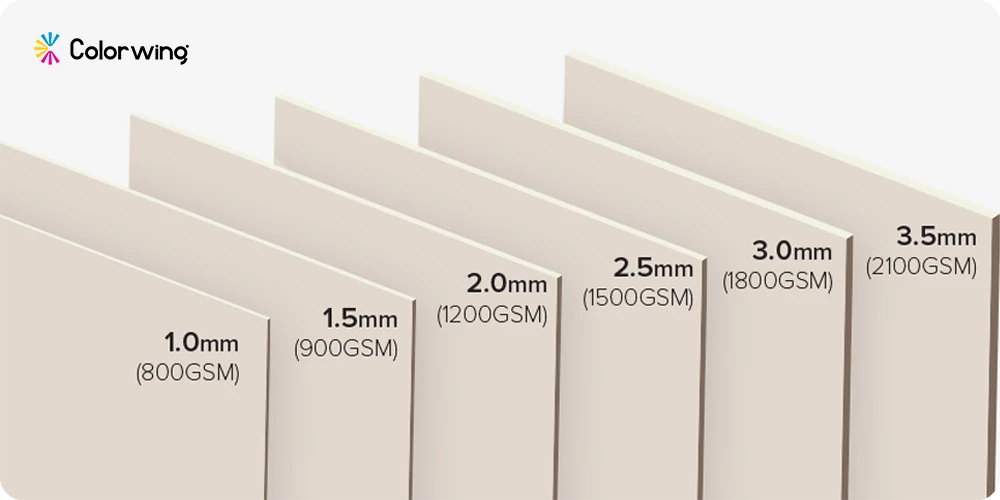
Corrugated cardboard is a term that has probably been applied extensively, but it is pleasant to know what corrugated cardboard means. Corrugated cardboard is not made of one layer- it is made of three layers. The outsides contain two plain sheets (also known as liners), and a wavy and fluted sheet material is inserted between the two, which gives the cardboard some extra strength and flattening. Cardboard has multi-purpose uses, like the thicker one goes best for shipping items, while the lighter ones are mostly well-rounded to be best used for folding cartons.
Is Cardboard an Eco-Friendly Packaging Material?
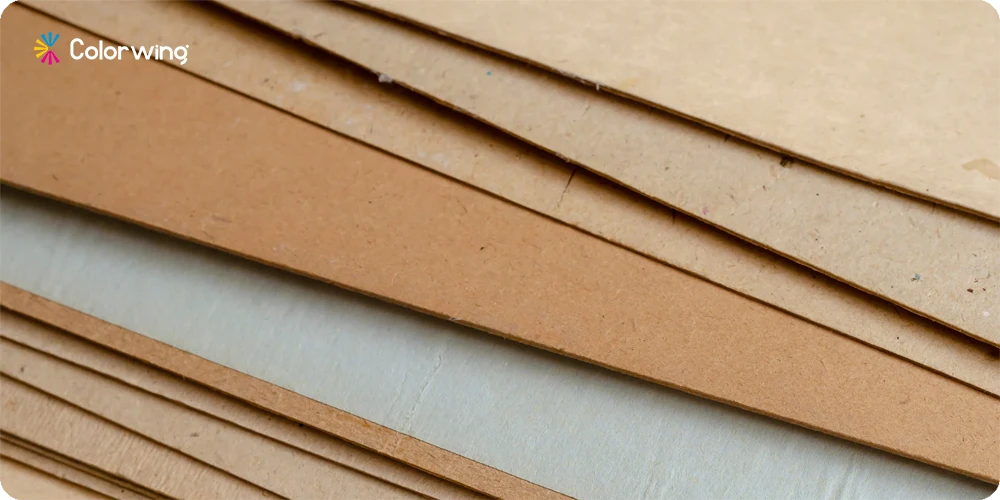
While cardboard is considered a sustainable packaging material, it is definitely made from renewable resources like wood fibers, which can be recycled manytimes without compromising on strength. Cardboard is also biodegradable, which means it breaks down naturally without harming the environment. Many brands rely on paper-based packaging as it reduces plastic use, like supporting eco-conscious practices. You can also meet your customer needs for ultra-green packaging.
What is the Secret of Making Colorful Offset Printing in Cardboard?
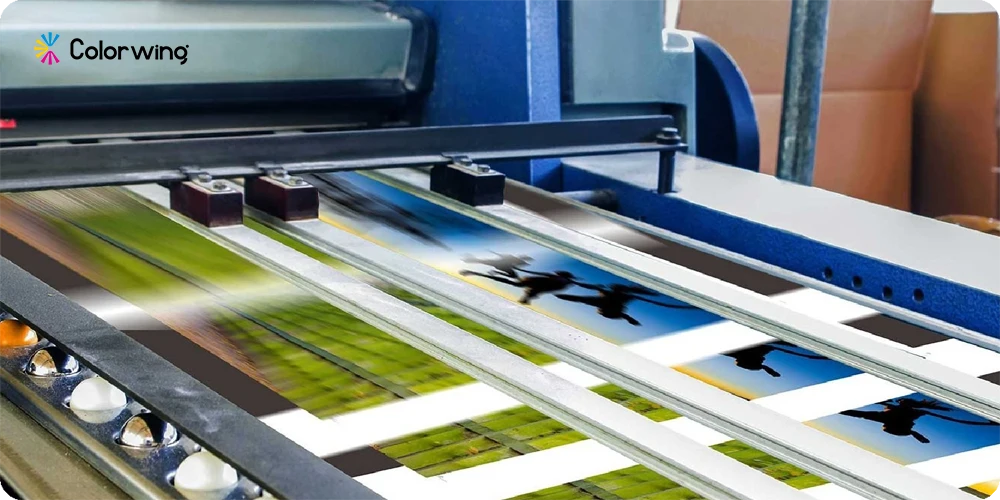
Offset printing, with its color, and digital printing, with its malleability, through cardboard, brands are able to convey their logos, product information, and artwork in color. The idea is to make all the boxes mini-billboards, and attract the attention of the consumers where the boxes are positioned or even when they are opening the boxes.
In addition, printing on cardboard is attractive, not to mention that it helps to inform about the product, the quality of the product, and the story of the company. Firms can opt for entirely personalized corrugated boxes, which are fully printed and therefore enable the company to package their products in a unique way while still ensuring safe shipment.
This fluted intermediate layer acts as an absorbing cushion that absorbs shocks and protects the contents in the boxes during transportation. Hence, the reason, when you visualize moving boxes or delivery boxes, they are practically always going to be made of corrugated cardboard.
Its thickness varies and is determined by the type of fluting and the number of layers. One such one-layer corrugated box (fluting single) could be about 3 to 5 millimetres thick. A double- or even triple-layered corrugated board is tighter and heavier when additional security is needed; it can be as thick as 9 millimetres or more.
Applications
Most typically, paperboard cardboard boxes are used with:
Retail Packaging: To package goods such as cereal boxes, cosmetic packaging and food.
Lightweight Shipping: The items shipped are not heavy or particularly fragile.
Display Purposes: Display purposes are used in cases where durability is not as important as the visual appeal and print quality.
Generally, paperboard products are cheaper to produce. They are also known to be good to print high-quality graphics and designs, hence they are the best to be used as retail packaging.
Lightweight: Less cumbersome to use and carry around, especially when small or medium amounts are required.
Although the terms cardboard box and corrugated box are sometimes used interchangeably, it is essential to find out the main distinctions; in this way, you can select an appropriate packaging option to use. The cardboard boxes are usually constructed using paperboard and therefore are the most preferable to use when one is concerned with the cost effectiveness, aesthetics, as well light weigh tight construction. Conversely, corrugated boxes with their fluted and multi-layered structure are stronger, more durable, and protective, which is why they are the best options to use when shipping, storing, and even when using for industrial purposes.
The majority of the retail outlets exploit the paperboard boxes regardless of whether it is the grocery stores or department stores. We find them on the shelves all over, and probably we do not give them much consideration because they have always been in our lives.
Overall, you would prefer to store light products in paperboard. Some examples include:
Baked goods
Medicine
Cosmetics
Cereal
Cardboard For Retail Needs
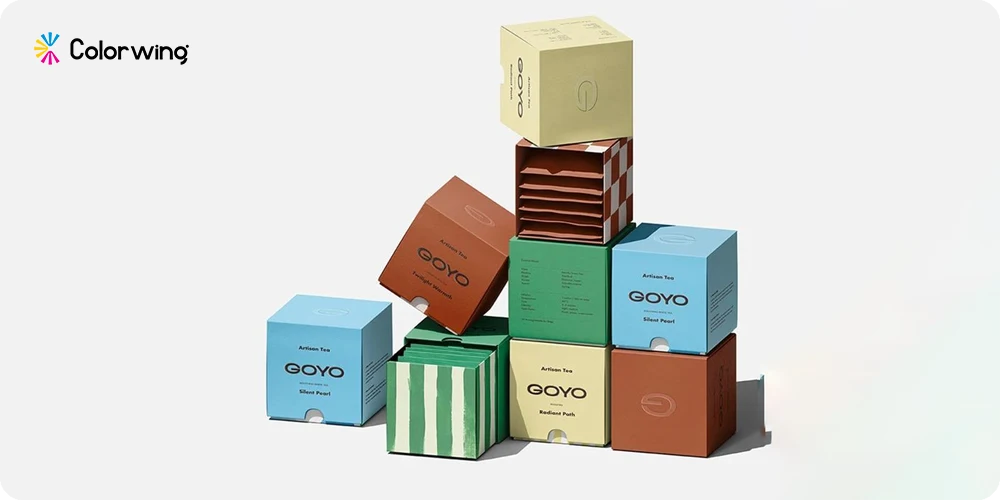
Finally, this will be based on the nature of items being packed, the degree of protection required, the budget limit, and branding issues. With the packaging industry moving steadily toward the introduction of eco-friendly materials and novel packaging methods, both types of boxes will continue to serve fundamental purposes, supporting the various needs of businesses and consumers.
Cardboard For Shipping Needs
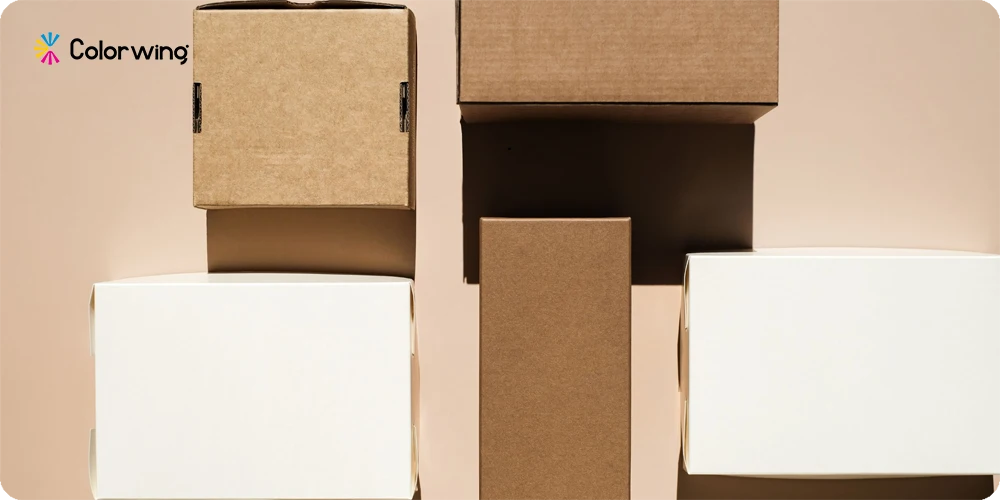
They single layer cardboard is generally not as structurally reinforced as is required when transporting heavy objects or over a long distance.
Less Protection: It does not have an internal fluted structure, and thus, it has less shock absorption and cushioning than corrugated boxes.
Final Thoughts
When you get started with ColorWing, you will get premium-grade cardboard boxes acting as folding cartons to stand out your brand. You will get your brand’s presence in the best way. It creates in the customers the impression that the most valuable products are packed in boxes. The boxes are qualitative to the clients due to their flexibility and high-grade nature.
The hardy and firm nature shields the products against external damage.

Emily Chris Kieran
Meet Emily Chris Kieran, a seasoned packaging industry writer with 7+ years of experience in the printing and packaging sector based in Texas. With a keen eye for color and a passion for data-driven insights, Emily crafts compelling content strategies that explore the intricacies of packaging and printing. She possesses in-depth knowledge of the industry's dynamics, staying up-to-date on the latest trends and technologies. When she's not delving into industry trends, you can find her unwinding on the golf course, where she finds inspiration and clarity. With a love for polo and a knack for storytelling, Emily brings a unique perspective to the world of packaging, illuminating fascinating facts and trends that inform and engage.