

*2 mins read
What is Paperboard? Cardboard Packaging Vs. PaperBoard?
Publish Date
December 02, 2025
Written by
Emily Chris Kieran
Have you considered the importance of packaging? Packaging can do more than just protect the product. It can also tell a story about your brand. Material is important before graphics and colors. When you launch products on retail shelves, they are usually folded boxes made of paperboard. The question is, what is paperboard, and how is it different from cardboard? Paperboard is ubiquitous on retail shelves.
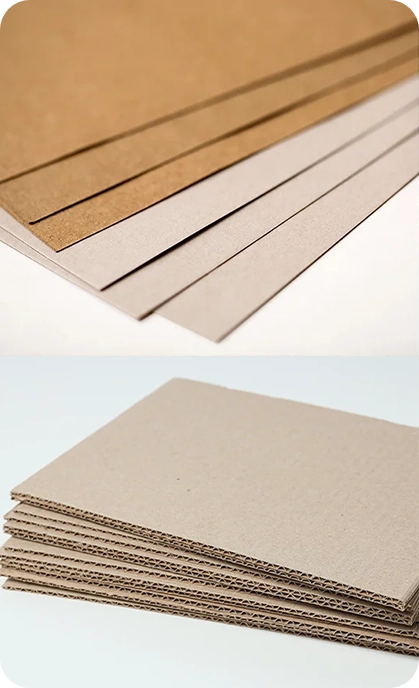
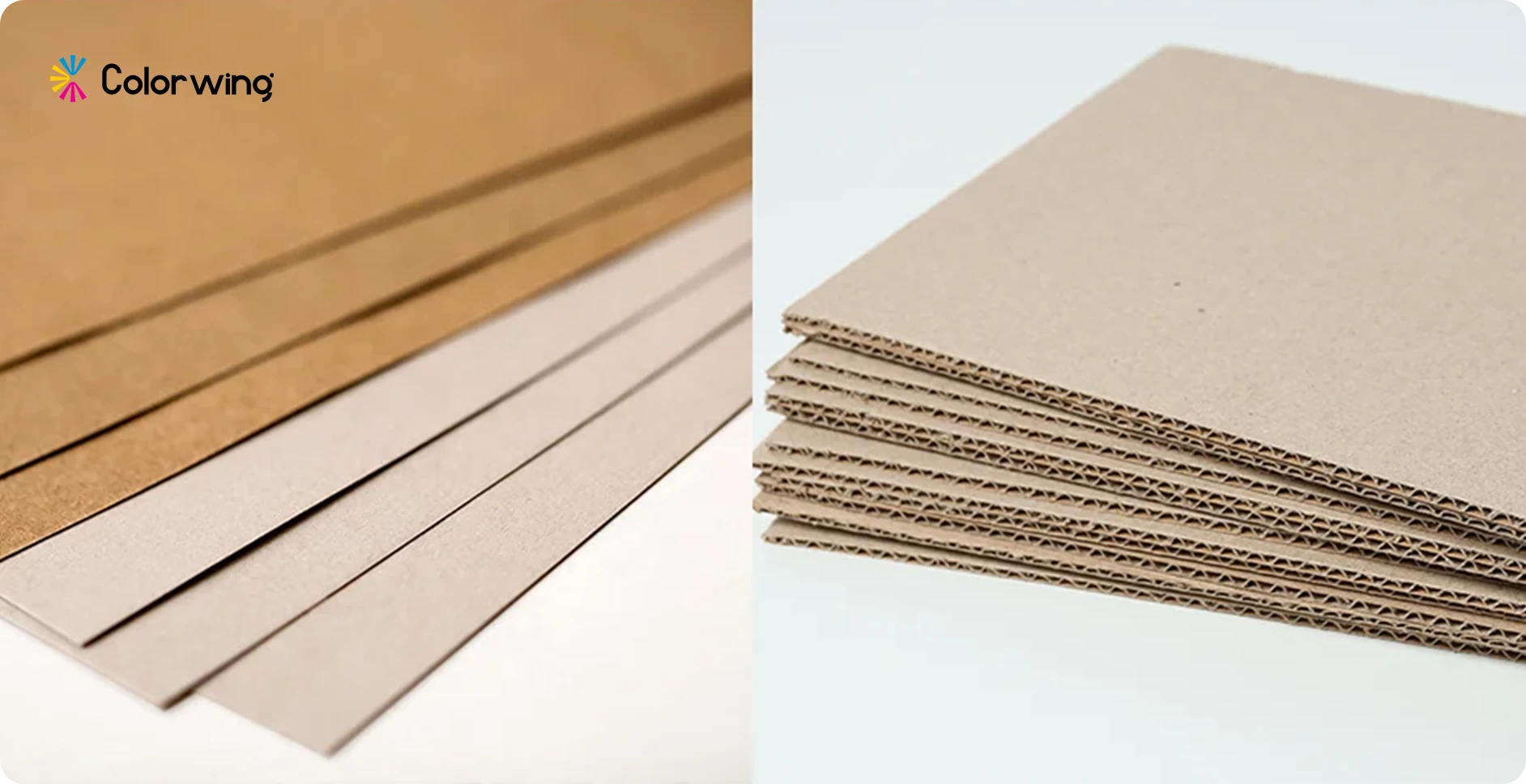
Paperboard and retail “cardboard” are often mixed up, but they are built very differently. Paperboard is a single, thicker paper sheet, typically around 10 to 30 points in caliper, engineered to fold cleanly, print crisply, and sit attractively on retail shelves in forms like cereal boxes or cosmetic boxes. What most people call shipping “cardboard” is actually corrugated fiberboard, a multi‑layer material with a fluted inner medium sandwiched between two flat liners, designed to handle stacking, impact, and long‑distance transport rather than fine graphics.
For decades, American brands have relied on paper-based packaging to create boxes, sleeves, and displays. Most people confuse paperboard and chipboard. Although they have a similar origin, the fibers that are pressed into sheets and their densities and performances define different roles in packaging.
Paperboard, Cardboard, And Cardstock In One Glance
Paperboard is a thick, smooth sheet made from compressed cellulose fibers, designed for folding cartons, retail sleeves, and rigid boxes.
Cardboard usually refers to corrugated board, a thicker, fluted structure made of two liners and a fluted middle layer, used for shipping and heavy‑duty protection.
Cardstock is a heavier paper, often 60–120 lb, used for tags, inserts, and small displays.
A chipboard is a dense, low‑grade board, usually gray or brown, used for inserts, cores, and dividers.
Boxboard is a general term for paperboard grades used to make folding cartons and boxes.
ColorWing is a business that serves all of America, but especially the Houston and Rosenberg communities in Texas. The question "What's paperboard?" starts a discussion about precision, sustainability, and performance. Paperboard, chipboard, and cardboard all have their own significance when it comes to protecting, presenting, and shaping perception.
We'll look at what makes one sheet different from another, and how making the right choice could elevate your brand from plain to powerful.
Paperboard: The Backbone of Modern Packaging
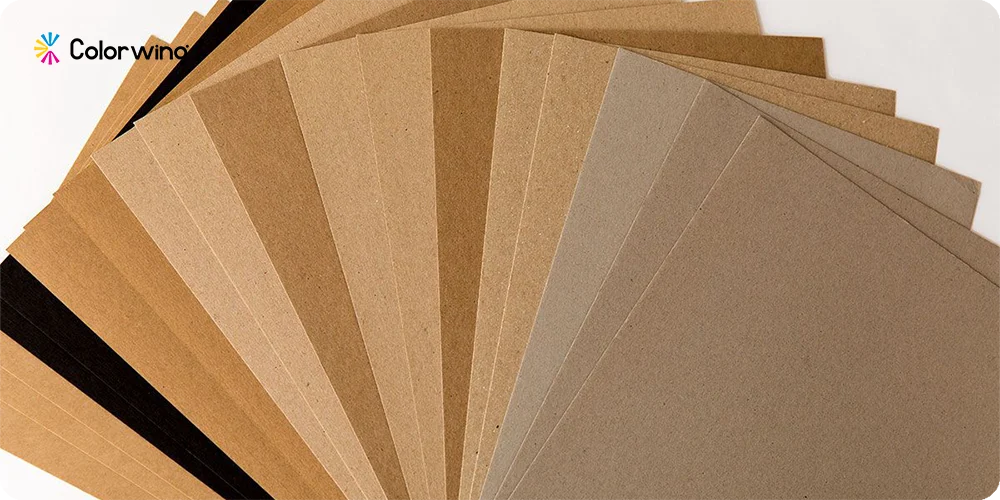
Paperboard is made of thick layers of compressed cellulose fibers. It is lightweight, printable and strong enough for boxes, sleeves and greeting cards.
Paperboard is usually thicker than 10 points and starts at around 010 inch. The paperboard is flexible yet stiff, making it ideal for retail displays and folding cartons that require clean folds, sharp corners, and smooth printed surfaces.
Paperboard is used in packaging for premium products, such as cereal boxes, pharmaceutical sleeves and cosmetic cartons. Paperboard offers both the quality print that brands demand and the responsible use of material to match modern sustainability goals.
There are also several different types, each of which is designed to meet a specific packaging need:
SBS (Solid Bleached Sulfate), a premium white grade, is ideal for frozen foods, cosmetics and pharmaceuticals.
CUK (Coated Unbleachedkraft): Natural brown tone with strength - popular for beverage carriers and eco-brands.
URB (Uncoated Recycled Board), made from post-consumer waste, is sustainable but has a less printable surface.
FBB (Folding Box Board): Lightweight, multilayer grade great for retail cartons. Whether reverse tuck end or straight tuck end.
Designers can choose from a variety of categories to meet their needs in terms of strength, price, and appearance, while still being eco-conscious.
Cardboard: What is it? Why The Confusion of Interchangeable Names Exist?
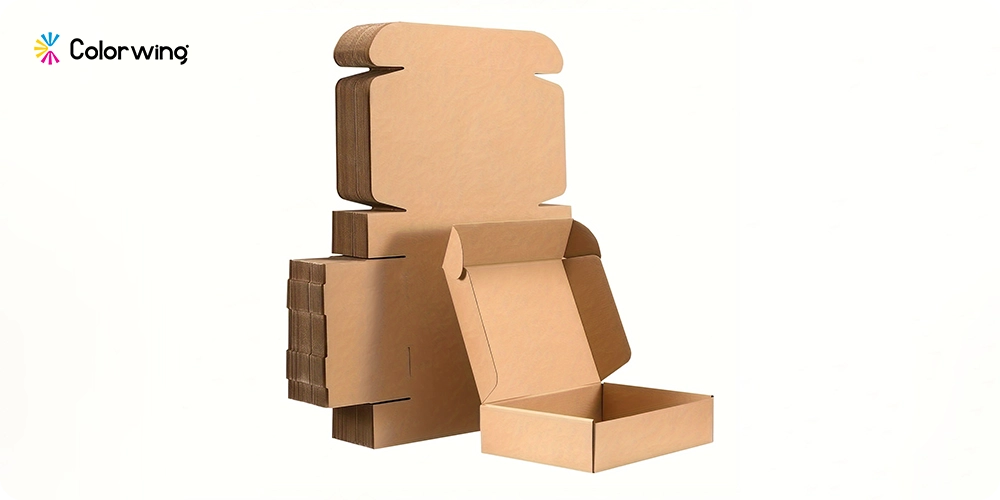
In the industry, cardboard is not a specific material, but rather a term that consumers use to describe thick paper-based packaging. A guide to cardboard boxes clears out the confusion.
Technically, corrugated fiberboard is what we call cardboard. It's made of three layers: two flat liners and a fluted middle. Corrugated boxes are made tougher and more cushioned by the inner fluted pattern.
The cardboard is the mainstay of packaging and shipping, and it protects everything from electronic goods to perishable home goods.
When people ask "Is cardboard made of paper?" the answer is yes.Cardboard is a paper-based material that is reinforced by structure, not additional fiber layers. The combination of art and engineering transforms paper into the toughest, most recyclable packaging option in the world.
Cardboard vs. Paperboard: What's The Real Difference?
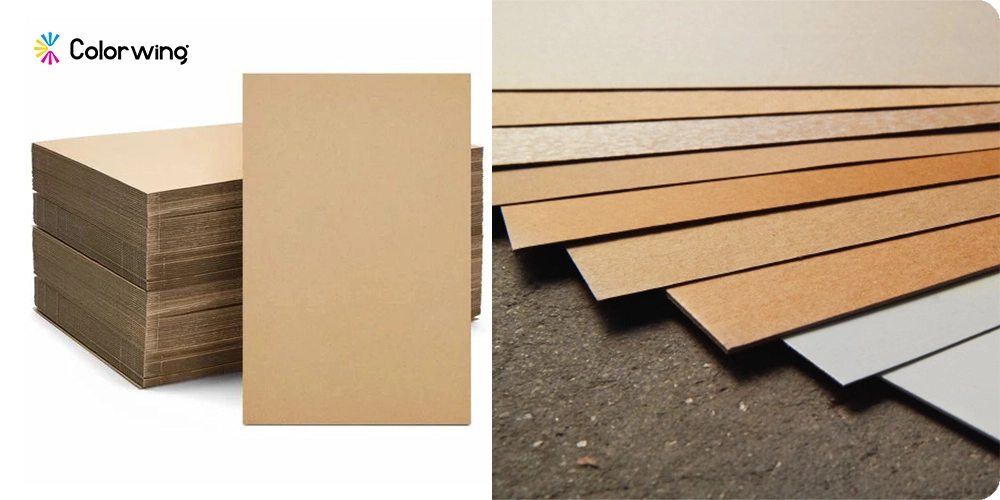
How each material reacts to stress and the presentation requirements is what makes a difference.
Features | Paperboard Carton (Folding Carton). | Cardboard (Corrugated board) |
Structure | Solid construction, single or multi-ply compressed sheet. | Linerboard is a corrugated structure sandwiched with a fluted inner layer (Medium), and outer layers that are flat. |
Thickness | 10 pt - 28 pt. | Fluting makes the fabric thicker |
Primary Use | Folding cartons, retail packaging, printing | Transport, storage and heavy-duty shipping |
Finish | Smooth, printable, aesthetic | Rugged, plain or kraft brown |
Strengthening Your Body | Flexible and moderate | Strong and impact-resistant |
Weight | Lightweight | Heavier depending on flute type |
Appearance | Ideal for branding and graphics | Industrial look, minimal print |
Paperboard is more about presentation, while cardboard is all about protection.
They often work together to create packaging hierarchy. Some brands use corrugated cardboard as outer shipping cartons and paperboard as inner retail boxes. This multi-layered approach enhances the aesthetic appeal of products while ensuring their safety during transit.
Boxboard And Chipboard are Closest To Paperboard
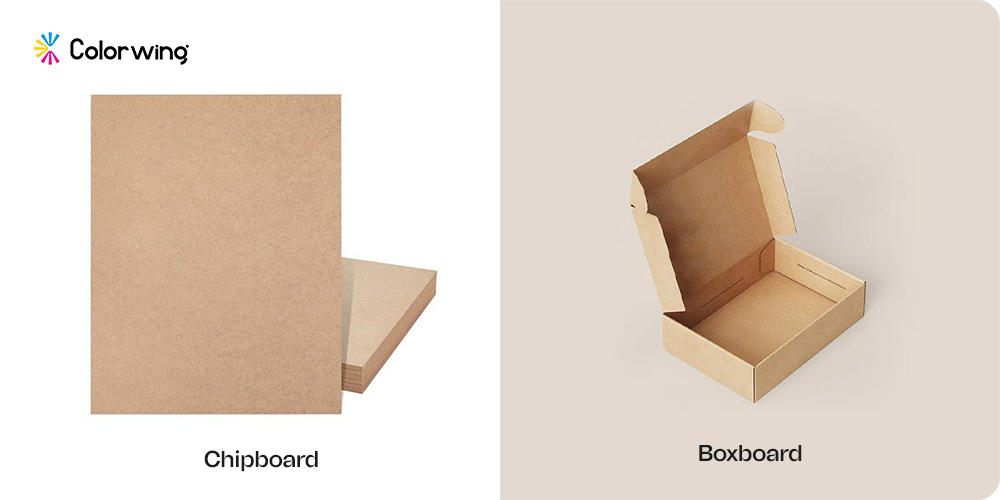
A discussion about paperboard would not be complete without mentioning chipboard, also known as grayboard and boxboard. Chipboard is an uncoated, recycled board that's low-cost and often looks gray or brown. It is dense and flat and commonly used for notebook covers, puzzles and rigid box cores. Chipboard is a good alternative to SBS paperboard. It's not as bright and printable, but it provides good stiffness for a low price.
Boxboard is a generic term for packaging made of paper that can be folded or shaped into boxes. Boxboard packaging includes many folding cartons that are made of SBS or CUK grades.Boxboard is a generic term for packaging made of paper that can be folded or shaped into boxes. Boxboard packaging includes many custom folding cartons that are made of SBS or CUK grades.
When comparing chipboard and paperboard, the main difference is in fiber quality.
Paperboard is stronger, more flexible and offers a whiter print.
Chipboard is a structurally strong material that offers a low cost, but with less visual finesse.
This balance is what defines cost-effective yet attractive retail packaging.
What is the difference between Buxboard and paperboard?
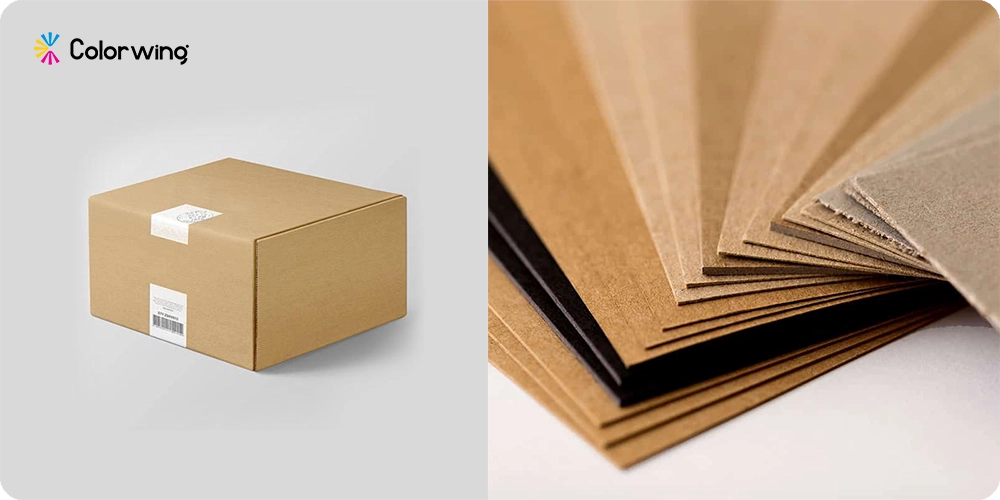
Buxboard is a new alternative to rigid packaging in the U.S. This kraft-based product is known for its robustness and environmental friendliness. Buxboard is often used by brands for subscription and e-commerce boxes. It's thicker than regular paperboard, but thinner than corrugated cardboard.
Comparing Buxboard packaging with paperboard packaging
Buxboard is the winner for its mailers and packaging.
Paperboard is the winner for its superior branding and printing quality.
Both are recyclable and made from renewable fibers. Understanding your product's lifespan is key. Heavy or fragile products require Buxboard, while luxury items benefit from the elegance of coated-paperboard.
How PaperBoard Allows Personalization in Premium Packaging?
The beauty of paperboard lies in its ability to take on colors, finishes, and coatings. Using white card stock, or premium SBS for that matter, brands can create seamless CMYK and Pantone prints as well as foil accents. They can also choose embossing and debossing, spot UV, or add foil accents.
Designers use its flat, uniform surface for telling stories in detail - from food imagery to elegant minimalism. Paperboard is a great choice for both design and function. It folds neatly without cracking.
Digital printing is a flexible and affordable option for short-run projects. Offset printing on coated paperboard is the best option for high-volume retailers.
Paperboard can be transformed from a blank canvas into a custom-branded stage, whether it is an elegant perfume sleeve of a confectionery box.
Standard Cardstock: Its Use
Cardstock is often used to bridge the gap between paperboard and paper. Cardstock is a paper that ranges between 60 lb to 120 lb in cover weight or 8-14 pt thickness.
Cardstock is used for packaging in a variety of ways. White cardstock can be used to create inserts, tags or box sleeves. It is stiffer than paper, but lighter than folding cardboard.
Cardstock is a crucial component of branding consistency for small-batch brands and retail elements like hangtags and displays
What Is The Difference Between Cardstock And Paperboard?
Cardstock is heavier paper, often used for inserts, tags, labels, and small displays, while paperboard is thicker, more rigid, and built for folding cartons and rigid boxes. In packaging terms, cardstock typically supports branding elements, while paperboard forms the main structure of the box itself.
The best cardboard box: What makes it stand out?
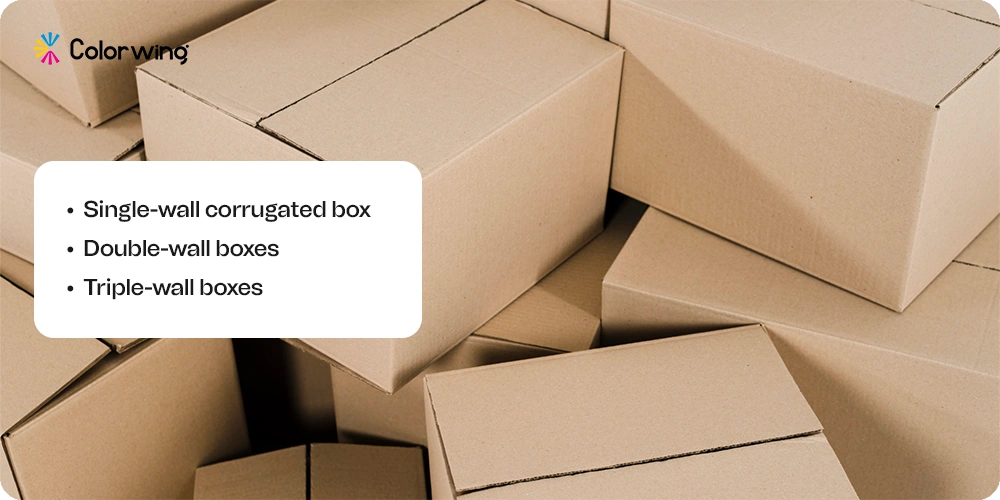
Cardboard is the king of the logistics world. It does the heavy lifting. The best cardboard boxes are not just thick, but also engineered to have optimal board strength and flute type.
Single-wall corrugated box:
Combine portability and moderate durability for ideal lightweight shipments.
Double-wall boxes:
Stacks bulkier or more fragile items with outstanding strength.
Triple-wall boxes:
Heavy-duty ones in freight and long-haul packing
Strength is correlated to edge and bursting tests. Standard industrial measures of the box's resistance to pressure. These metrics help ensure that products can withstand handling, stacking and cross-country shipment.
ColorWing's FSC-certified corrugated board is perfect for brands that value environmental practices. It ensures structural reliability and environmental responsibility.
What is the weight of cardboard and why it matters?
When choosing cardboard boxes, it is not just about the size but also about the weight to strength ratio.
Cardboard box weight affects:
Shipping and Dimensional Pricing
Handling convenience
Stalling efficiency
Protection levels
The weight of standard corrugated cardboard boxes can range from a few ounces up to several pounds, depending on the flute style. By aligning box weights with shipping limits, businesses can avoid hidden costs and waste.
ColorWing experts can help you find the right balance. They will ensure that your boxes are strong, but not overbuilt.
Understanding the Industry Standards
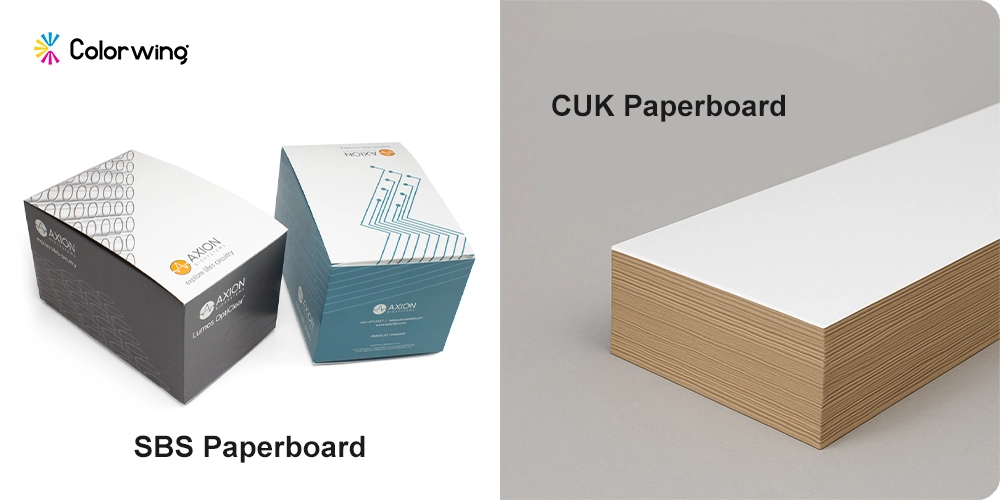
CUK (Coated Unbleached Kraft) and SBS, (Solid Bleached Sulfate), are the market leaders in paperboard.
SBS Paperboard
Ideal for packaging luxury products, such as cosmetics, frozen food, and medical products.
CUK Paperboard
Brown kraft tone with excellent tear resistance. Often coated on only one side. Ideal for beer carriers or eco-centric brands.
What Is Boxboard And How Does It Relate To Paperboard?
Boxboard is a generic term for paperboard grades used to make folding cartons and boxes. It includes SBS, CUK, and other coated or uncoated boards that are designed to be folded, printed, and assembled into consumer packaging. In many cases, “boxboard” and “paperboard” are used interchangeably, but boxboard usually refers to the folding carton segment specifically.
CUK and SBS are two different styles of fabric. SBS is known for its superior print quality and aesthetics, while CUK offers durability and rustic appeal. Both are FDA-compliant for food contact and are considered premium grades in North American Packaging.
What Actually is Paperboard Packaging?
Paperboard packaging refers to boxes, sleeves, cartons, and rigid structures made from paperboard instead of corrugated board. It is used when the product must be shown in a clean, printed, branded format on retail shelves. Common examples include cereal boxes, cosmetic cartons, and pharmaceutical sleeves.
Cardboard boxes
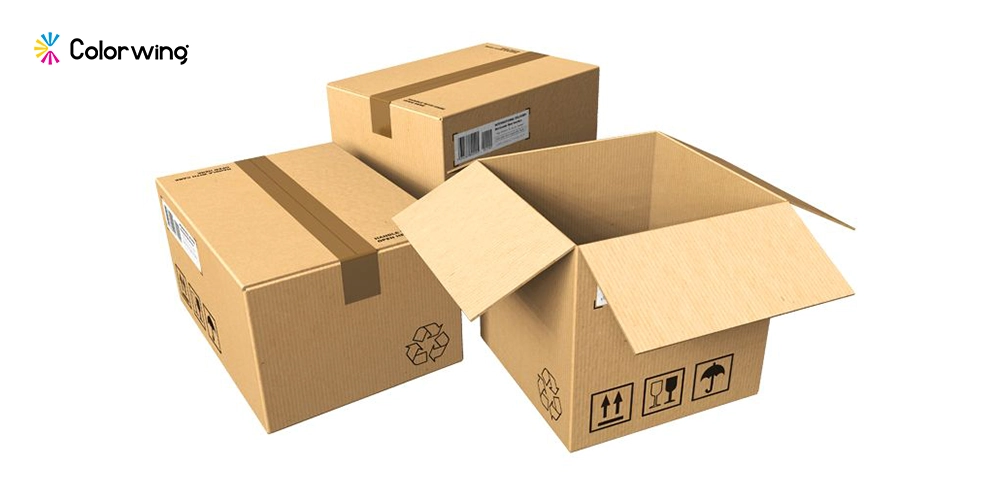
Alternatives to cardboard boxes are gaining in popularity as brands strive for eco-friendly packaging. Paperboard and Buxboard are the most popular, as they offer reliable recycling and visual appeal. Illustration board vs cardboard: illustration board is a smooth, rigid board for art and presentations, while cardboard is a fluted or thick board engineered for packaging and shipping.
Some of the other emerging substitutes are:
Fiber trays molded for inserts.
Paperboard sleeves made from recycled paperboard can replace inner plastic sleeves.
Blends of biodegradable corrugated with lower virgin fiber content.
Today, sustainability in packaging is not about eliminating cardboard. It's about selecting the right version and maximizing its lifespan. Brands can achieve a more eco-friendly footprint with recycled CUK or double-sided paperboard without compromising on durability.
Shipping Where Corrugated Cardboard Wins Over Paperboard
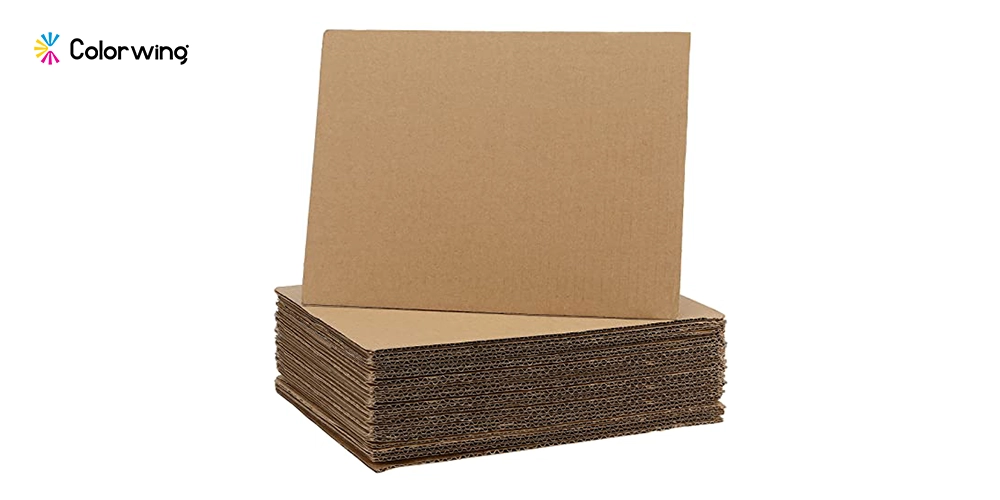
Cardboard is the king of transit, while paperboard looks great on shelves. The layered fluted design absorbs impact, reducing damage to products and the rate of returns. Cardboard boxes are superior to single-ply cartons when payloads or shipping routes are unpredictable. Corrugated boxes are used by businesses because they can easily be resized and reinforced. Paperboard is perfect for retail shelves.
Cardboard is recyclable in the U.S. at a rate of over 90%. This makes it a champion for durable packaging and sustainable packaging. This is how cardboard wins out over paperboard when it comes to endurance and long-distance logistics.
Both Cardboard And Paperboard Have Their Own Place
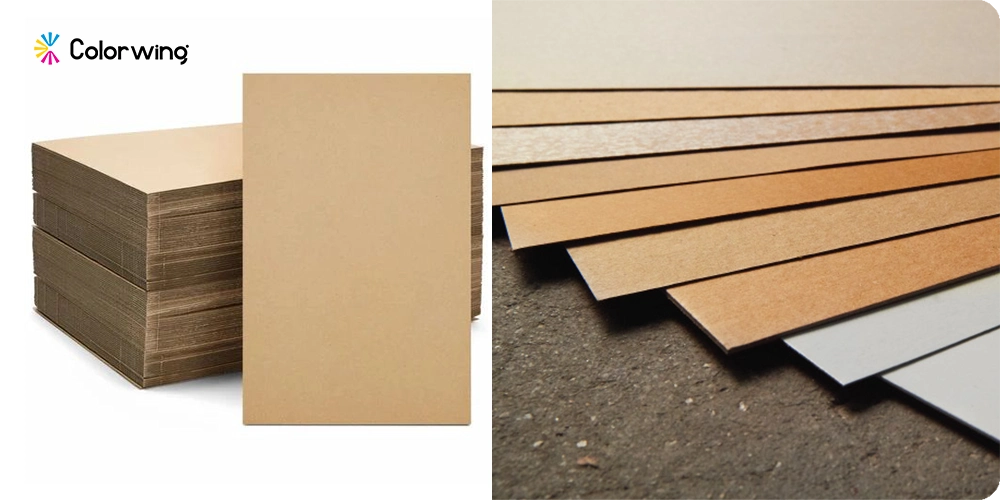
The debate between cardboard and paperboard is not a one-sided contest. Your product's purpose will determine the best choice.
Paperboard leads are the best choice if you want elegance, precision, and shelf presence.
It's also about bulk protection, durability and cardboard triumphs.
Both materials have unique strengths that are aligned with different stages in the supply chain. Both materials are used by many brands: corrugated and paperboard boxes to ensure safe delivery. This synergy is the key to efficiency, sustainability and customer satisfaction.
The role of paperboard in the evolving packaging trends in the U.S.
Markets and Markets and Future Insights report that lightweight packaging materials like SBS and recycled coated paperboard will continue to grow in North America. Paperboard is adaptable and can be used in emerging industries such as healthcare, food, and cosmetics.
Cardboard continues to develop through the use of hybrid flutes, better coatings, and curbside recycling. In the U.S., packaging thrives from the interaction between these materials. Each material refines its role through purpose-driven innovations.
Final Takeaway: The Brand is Defined by the Board You Choose
The foundation is the key to choosing whether you want corrugated, folding or rigid packaging. Paperboard tells stories with color and texture. Cardboard demonstrates reliability by virtue of its strength. Together, they help keep goods and brands secure.
ColorWing's packaging solutions, whether they are paperboard, custom cardboard, or hybrids, are engineered to meet the product characteristics and logistical needs. We are a reliable and sturdy packaging supplier located in Houston, TX. Our materials combine style, sustainability, and precision.
Next time, when there is a query, "What is paperboard and how does it differ from cardboard?", be familiar with them and remember, one attracts the crowd, while the other keeps them safe on their way to retail displays.
By their very nature, both materials shape modern packaging for its functionality, finesse, and future built on fiber. Select your packaging as per the prerequisites and make sure your brand stands out the most.

Emily Chris Kieran
Meet Emily Chris Kieran, a seasoned packaging industry writer with 7+ years of experience in the printing and packaging sector based in Texas. With a keen eye for color and a passion for data-driven insights, Emily crafts compelling content strategies that explore the intricacies of packaging and printing. She possesses in-depth knowledge of the industry's dynamics, staying up-to-date on the latest trends and technologies. When she's not delving into industry trends, you can find her unwinding on the golf course, where she finds inspiration and clarity. With a love for polo and a knack for storytelling, Emily brings a unique perspective to the world of packaging, illuminating fascinating facts and trends that inform and engage.